Can Philippine Law Officers Confiscate Your Driver’s License 2026
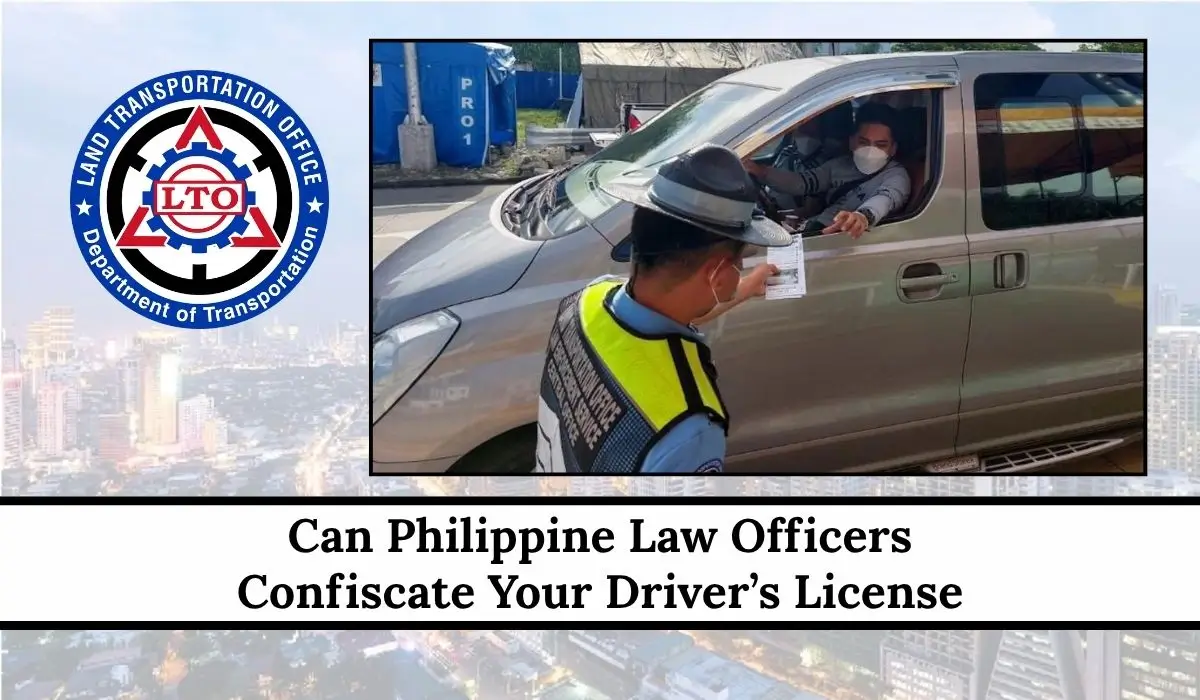
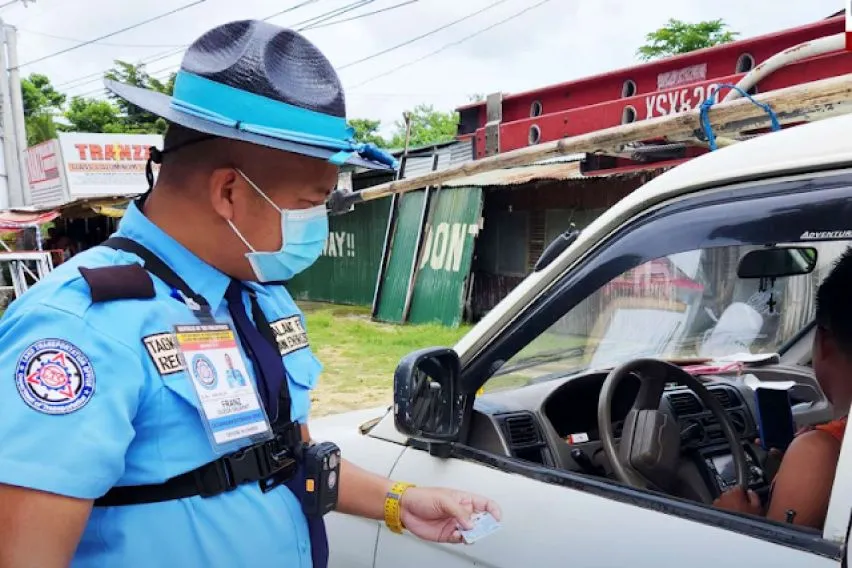
Can Philippine Law Officers Confiscate Your Driver’s License. Driving in the Philippines isn’t always easy. With heavy traffic, frequent checkpoints, and strict rules, it’s normal to feel nervous when an officer asks you to pull over. Then comes the question “Can I see your driver’s license?”
Many drivers worry at that moment: Can this officer really take my license?
The answer is not simple “yes” or “no.” It depends on who the officer is, what violation happened, and what the current law says.
This detailed guide will help you understand everything in simple way, your rights, the rules, and what to do in real situations.
Can Philippine Law Officers Confiscate Your Driver’s License?
The short answer: Yes, but only in specific cases and by authorized officers.
Under Philippine law, not every officer has the right to confiscate your driver’s license. There are strict rules about:
- Who can confiscate
- When they can confiscate
- How the process must be done
If these rules are not followed, the confiscation is considered illegal.
Law on License Confiscation
The main law that governs driver’s licenses in the Philippines is Republic Act 4136, also known as the Land Transportation and Traffic Code.
This law clearly states that:
- Only the Land Transportation Office (LTO) and its authorized (deputized) agents can confiscate driver’s licenses.
This means:
- The LTO controls licensing
- It can issue, suspend, cancel, or confiscate licenses
- Others can only act if officially authorized
If someone who is not authorized takes your license, that is illegal confiscation.
Who Can Legally Confiscate Your Driver’s License?
Not all traffic officers have the same authority. Only specific people are allowed to confiscate your license.
Authorized Officers:
- LTO law enforcers
- Police officers deputized by LTO
- MMDA officers with deputization
- Local traffic enforcers (only if deputized properly)
Important: These officers must have valid deputization papers or mission orders.
What You Should Do
Before giving your license:
- Ask for their ID
- Ask for deputization proof
- Stay calm and respectful
If they cannot show proof, you can politely refuse.
When Is License Confiscation Allowed?
License confiscation is not for small mistakes. It is only allowed for serious violations.
Serious Violations Include:
- Driving under the influence (alcohol or drugs)
- Reckless driving causing damage or injury
- Using a fake or tampered license
- Driving with an expired license
- Driving an unregistered vehicle
- Refusing to present your license after a valid violation
In these cases, confiscation is legal.
The Role of Temporary Operator’s Permit (TOP)
When your license is confiscated legally, the officer must give you a Temporary Operator’s Permit (TOP).
What is TOP?
- It acts as a temporary license
- It proves your license was taken legally
- It allows you to drive for a limited time (usually 72 hours or as stated)
No TOP = Confiscation may be illegal
Always ask for it.
When Confiscation Is NOT Allowed
Many drivers don’t know this, but there are situations where officers cannot take your license.
Not Allowed If:
- The officer is not deputized by LTO
- It’s a minor violation (like illegal parking)
- No TOP or ticket is issued
- The officer says “I will just hold your license”
- There is no proper explanation
In these cases, you can:
- Politely refuse
- Ask for a ticket instead
New Rules on License Confiscation
As of early 2026, there have been important changes.
Suspension of Physical Confiscation
The Department of Transportation (DOTr) has limited the confiscation of physical licenses for normal violations.
New System:
- Violations are recorded digitally
- TOP or e-TOP (electronic ticket) is issued
- License is placed under “alert” in system
Settlement Time:
- Drivers have 15 days to settle violations
- Failure may lead to suspension
Digital License Accepted:
- Electronic Driver’s License (eDL) is valid
- Available via LTMS Portal or mobile apps
Exceptions (When License Can Still Be Taken)
Even with new rules, confiscation can still happen in serious cases:
- Fake license
- Expired license
- Serious accident (injury or death)
- Criminal activity
What About LGU Traffic Enforcers?
This is where confusion happens.
According to DILG Memorandum 01-2008:
- Local Government Unit (LGU) enforcers cannot confiscate licenses
Only LTO and deputized agents can.
Conflicting Views in Some Cities
Some cities like Manila claim they have authority based on local laws.
But:
- National law (RA 4136) is stronger
- Legal opinions support LTO authority
Example:
- Quezon City stopped confiscating licenses
- Some cities still try to enforce local rules
This creates confusion for drivers.
Can MMDA Officers Confiscate Licenses?
- Only if they are deputized by LTO
If not:
- They can issue a ticket
- But cannot confiscate your license
Always check their authority.
What To Do If Your License Is Illegally Confiscated
If an officer takes your license unfairly, don’t panic.
Follow These Steps:
- Stay calm
- Get officer’s name and badge number
- Note location and time
- Ask for official ticket
- Collect evidence (photos/videos if possible)
Where to Report the Issue
For Traffic Enforcers:
- Report to MMDA Technical Committee
- Use hotline services
For LTO Issues:
- Contact LTO customer service
- Use LTMS portal
- Email or hotline
Always provide full details.
Penalties For Illegal Confiscation
Officers who break the rules can face:
- Suspension
- Loss of deputization
- Administrative penalties
This protects drivers from misuse of power.
Drivers’ Rights You Must Know
As a driver, you have rights.
Your Rights:
- To ask for officer identification
- To receive a ticket or TOP
- To refuse illegal confiscation
- To report misconduct
Drivers’ Responsibilities
At the same time, you must follow rules.
Your Duties:
- Carry valid license always
- Follow traffic laws
- Stay polite during stops
- Cooperate with authorized officers
Government Reforms and Improvements
The Philippines is improving traffic enforcement.
Key Changes:
- Digital systems to reduce corruption
- Better training for officers
- Public awareness campaigns
- Stronger penalties for abuse
These changes aim to make the system:
- Fair
- Transparent
- Easy to understand
Important Legal Principle You Should Know
In law, specific laws override general laws.
- RA 4136 (Traffic Code) = specific law
- Local Government Code = general law
This means traffic matters follow RA 4136 first.
Real-Life Example Scenario
Let’s say:
You are stopped for illegal parking.
- Officer is not deputized
- No TOP is issued
- He cannot confiscate your license
You can politely say:
“Sir, can you please issue a ticket instead?”
Another Scenario
You are caught driving under the influence.
- Officer is deputized
- Violation is serious
License confiscation is legal
Common Mistakes Drivers Make
Avoid these:
- Arguing aggressively
- Not asking for ID
- Giving license without checking authority
- Ignoring tickets
These can make things worse.
Tips to Stay Safe
- Always carry documents
- Stay calm during checkpoints
- Know your rights
- Respect officers
- Follow traffic rules
Complaint & Contact Details
If you ever face illegal confiscation or unfair behavior, it’s important to know where and how to report it. Here are the official contact options explained in a simple way.
For MMDA Traffic Enforcer Complaints
If your issue involves an MMDA officer, you should report it as soon as possible.
- Office: MMDA Technical Committee on Complaints (TCC)
- Address: 3rd Floor, Traffic Discipline Office, MMDA Building, EDSA corner Orense Street, Guadalupe Nuevo, Makati City
- Hotline: 136
- Email: [email protected]
Make sure to include full details such as:
- Officer’s name (from nameplate)
- Date and location of incident
- Photos or videos (if available)
For LTO Complaints & Assistance
If the issue involves LTO or deputized officers, you can contact the Land Transportation Office directly.
- LTMS Portal: Use the official contact form on their website
- Phone Numbers: (632) 922-9061 to 66
- Email: [email protected]
- SMS Service: Type LTOHELP and send to 2600
- LTO Hotline: 1-342-586
- LTO Offices: You can also visit any nearby branch for help
Always provide complete information so your complaint can be processed quickly.
FAQs About Can Philippine Law Officers Confiscate Your Driver’s License?
Can any traffic officer in the Philippines confiscate my driver’s license?
Ans: No, not every traffic officer has the authority to confiscate your driver’s license. Only officers who are officially deputized by the Land Transportation Office (LTO) are allowed to do so. This includes LTO law enforcers and some police or traffic officers who have valid deputization papers. If an officer cannot prove this authority, you have the right to politely refuse handing over your license.
What should I do if an officer asks for my license?
Ans: If an officer asks for your license, stay calm and respectful. You should hand over your license only after confirming that the officer is authorized. It is also your right to ask for their identification or deputization papers. Cooperation is important, but you should always protect your rights.
Is it legal for officers to confiscate licenses for minor violations?
Ans: No, in most cases, licenses should not be confiscated for minor violations such as illegal parking or coding violations. Instead, the officer should issue a ticket or citation. Confiscation is usually reserved for serious offenses or when required by law.
What is a Temporary Operator’s Permit (TOP)?
Ans: A Temporary Operator’s Permit, or TOP, is a document given to you if your license is legally confiscated. It acts as your temporary license for a limited time and allows you to continue driving while you settle your violation. If no TOP is given, the confiscation may not be valid.
Can local government traffic enforcers confiscate licenses?
Ans: Generally, local government unit (LGU) traffic enforcers are not allowed to confiscate driver’s licenses unless they are specifically deputized by the LTO. According to official memorandums, their role is usually limited to issuing tickets and managing traffic.
What should I do if my license is taken illegally?
Ans: If your license is confiscated without proper authority, you should remain calm and collect important details such as the officer’s name, badge number, and the location of the incident. Ask for an official ticket, and if none is provided, report the incident to the LTO or the appropriate authority.
Can MMDA officers confiscate my driver’s license?
Ans: MMDA officers can only confiscate your license if they are deputized by the LTO. If they are not, they are limited to issuing traffic citations. Always check their authority before handing over your license.
Are there new rules about license confiscation in 2026?
Ans: Yes, recent updates have limited the physical confiscation of licenses for normal violations. Instead, violations are recorded electronically, and drivers are issued a Temporary Operator’s Permit or electronic ticket. Your license is placed under alert rather than being physically taken.
In what situations can my license still be confiscated?
Ans: Your license can still be confiscated in serious cases such as driving under the influence, using a fake or expired license, or being involved in a serious accident. These situations are considered high-risk and require stricter enforcement.
How can I avoid problems during traffic stops?
Ans: To avoid issues, always carry your valid license and documents, follow traffic rules, and stay calm when dealing with officers. Knowing your rights and responsibilities helps you handle situations properly and prevents unnecessary trouble.
Conclusion
In conclusion, Philippine law officers can confiscate your driver’s license, but only under strict rules. Only the LTO and its authorized agents have this power, and they must follow proper procedures like issuing a Temporary Operator’s Permit (TOP). Not all officers are allowed to take your license, especially for minor violations. As a driver, knowing your rights and staying calm during traffic stops is very important. Always ask for proper identification and documents. By understanding the law, you can protect yourself and avoid unnecessary problems on the road.