Can You Use Commemorative Plates in the Philippines? Complete Guide For Rules, Laws And Penalties

Can You Use Commemorative Plates in the Philippines? If you have traveled around the Philippines, you have probably seen vehicles using special and stylish plates. Some are made for anniversaries, government projects, charities, organizations, or national events. These are called commemorative plates. Many drivers use them because they make a vehicle look more unique and attractive. However, many people still ask an important question: can you legally use commemorative plates in the Philippines?
The answer is yes, but there are strict rules that every car owner must follow. The Land Transportation Office (LTO) and the Department of Transportation (DOTr) carefully regulate the use of commemorative plates. If you fail to follow the rules, you may face fines, confiscation of the plate, or even problems with your vehicle registration.
In this detailed guide, you will learn everything about commemorative plates in the Philippines. We will discuss their meaning, legal status, guidelines, penalties, approval process, proper placement, and the important rules every driver should know.
What Are Commemorative Plates?
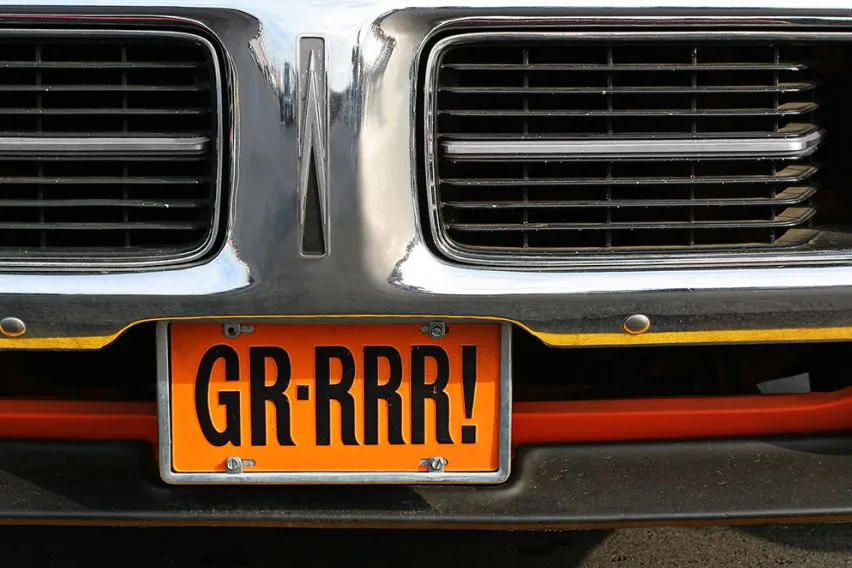
Commemorative plates are special vehicle plates created to celebrate important events, organizations, anniversaries, causes, or national activities. Unlike regular license plates issued by the LTO for vehicle identification, commemorative plates are mainly used for symbolic and decorative purposes.
These plates usually contain unique artwork, logos, event themes, or colorful designs related to a specific celebration or campaign. Some commemorative plates are issued for:
- National anniversaries
- Charity events
- Government programs
- International conferences
- Historical celebrations
- Religious activities
- Civic organizations
- Awareness campaigns
- Foundations and associations
In simple words, commemorative plates are like special badges placed on vehicles to show support, celebration, or recognition of an event or cause. However, many people misunderstand their purpose. These plates are not replacements for official LTO-issued license plates. They are only additional plates that can be displayed together with the original government-issued plate.
The History of Commemorative Plates in the Philippines
The use of commemorative plates in the Philippines has existed for many years. Over time, different organizations and government agencies started creating plates to celebrate major events and milestones.
As their popularity increased, the government realized that proper regulations were needed. Without rules, anyone could create fake or misleading plates, causing confusion on the roads. Because of this, the Land Transportation Office introduced guidelines under specific administrative orders.
One important regulation is LTO Administrative Order AOL-2010-021, which outlines the rules for issuing and using commemorative plates. This order explains who can request commemorative plates, how they should be used, and what restrictions apply.
Today, commemorative plates remain popular among Filipino motorists, but they are now strictly monitored by the LTO and DOTr.
Can You Use Commemorative Plates in the Philippines?
Yes, you can use commemorative plates in the Philippines, but only under certain conditions. The commemorative plate must:
- Be officially approved by the LTO and DOTr
- Follow all placement rules
- Be used together with the official LTO plate
- Remain within the approved validity period
- Not obstruct or replace the original plate
If the commemorative plate is unauthorized, expired, fake, or improperly installed, it becomes illegal.
This means motorists cannot simply buy decorative plates online or from random sellers and place them on their vehicles. Even if the plate looks professional, it is still illegal without proper authorization. The government takes this seriously because license plates are part of a vehicle’s official registration and identification system.
The Legal Basis for Vehicle Plates in the Philippines
The main law governing vehicle registration in the Philippines is Republic Act No. 4136. This law requires every motor vehicle to have official license plates issued by the Land Transportation Office. The official plate serves as the vehicle’s identity. It helps authorities:
- Verify registration
- Identify vehicle owners
- Monitor traffic violations
- Prevent crimes involving vehicles
- Maintain road safety
Because of this, the official LTO plate must always remain visible and readable. Using only a commemorative plate without the original plate violates the law. No matter how attractive or expensive a commemorative plate may look, it cannot legally replace the official government-issued plate.
This is why the LTO reminds drivers that commemorative plates are only supplemental accessories, not official registration plates.
Are Commemorative Plates Legal?
Commemorative plates are legal only when officially authorized. Before a commemorative plate can be used on public roads, it must receive approval from:
- The Land Transportation Office (LTO)
- The Department of Transportation (DOTr)
- Sometimes the Office of the President
Without approval, the plate is considered unauthorized. Authorized commemorative plates usually come with:
- A certificate of authorization
- Official approval documents
- A validity period
- Guidelines for proper usage
Motorists should always carry the authorization papers inside the vehicle while using commemorative plates. Traffic enforcers may ask for proof that the plate is legal. If the driver cannot provide proper documents, penalties may apply.
Why Do People Use Commemorative Plates?
Many drivers use commemorative plates for different reasons. Some use them to support organizations or causes, while others simply enjoy the unique appearance. Here are some common reasons why commemorative plates remain popular:
1. Stylish Appearance
Many commemorative plates have colorful and creative designs that make vehicles stand out.

2. Support for Causes
Some drivers use them to support charities, government projects, or advocacy campaigns.
3. Pride and Recognition
Organizations sometimes issue commemorative plates to members as a sign of pride and belonging.
4. Celebration of Important Events
National anniversaries, historical milestones, and international events are often honored through commemorative plates.
5. Collector Interest
Some people enjoy collecting commemorative plates because they become historical memorabilia over time.
Even though commemorative plates look attractive, drivers should remember that they do not provide any special privileges on the road.
The Difference Between Official and Unauthorized Commemorative Plates
One of the most important things every driver must understand is the difference between official and unauthorized commemorative plates.
Official Commemorative Plates
Official plates are:
- Approved by the LTO and DOTr
- Issued with authorization documents
- Used legally within the validity period
- Designed according to government guidelines
These plates are safe to use if all rules are followed.
Unauthorized Commemorative Plates
Unauthorized plates are:
- Made without government approval
- Sold by private vendors illegally
- Used without authorization documents
- Often designed to imitate official plates
Using unauthorized plates is illegal and can lead to serious penalties. Some fake plates may appear professional, but appearance does not make them legal.
LTO Guidelines on Using Commemorative Plates
The LTO has established strict guidelines for using commemorative plates in the Philippines. These rules help maintain order and prevent misuse.
Proper Placement
The commemorative plate must never cover the original LTO-issued plate. Instead, it should be placed:
- Beside the regular plate
- Above the regular plate
- In a position approved by LTO guidelines
The original plate must always remain visible.
Rear Placement Is Strictly Prohibited
One of the strictest rules involves placement at the rear of the vehicle.
The LTO clearly prohibits placing commemorative plates at the rear portion of the vehicle.
This rule exists because the rear plate is extremely important for vehicle identification.
Traffic cameras and law enforcement officers rely heavily on rear plates for monitoring vehicles.
Any obstruction or replacement can create problems for identification and law enforcement operations.
Display Period of Commemorative Plates
Commemorative plates are usually valid only for a limited period. Most approved commemorative plates may be displayed for:
- Six months
- One year
- A specific approved duration
After expiration, the plate must be removed immediately. Using expired commemorative plates is considered illegal. Many drivers forget this rule and continue displaying expired plates, which can result in fines and confiscation.

Certificate of Authorization
Authorized commemorative plates normally come with official documents. Drivers should always carry:
- Certificate of authorization
- Approval papers
- Supporting documents
Traffic enforcers may request these documents during inspections. Failure to present proof of authorization may lead to penalties even if the plate was originally approved.
The Approval Process for Commemorative Plates
Organizations that want commemorative plates must go through an official approval process. Below are the common steps involved.
Step 1: Identification of Eligible Events
The event must have national, historical, or international significance. Examples include:
- Government anniversaries
- National celebrations
- International conferences
- Historical milestones
The event may require certification from relevant agencies.
Step 2: Application Submission
The requesting organization submits an application to the LTO or related government agency. The application usually includes:
- Event details
- Proposed plate design
- Purpose of the commemorative plate
- Supporting documents
Step 3: Review and Evaluation
Government authorities review the request carefully. They examine:
- The significance of the event
- The plate design
- Compliance with regulations
Step 4: Approval by Authorities
Approval is normally granted by the Secretary of the Department of Transportation based on LTO recommendations. Without official approval, the commemorative plate cannot legally be used.
Step 5: Issuance of Plates
Once approved, commemorative plates and authorization documents are issued. The organization may then distribute the plates according to approved guidelines.
Step 6: Proper Installation
Vehicle owners must install the commemorative plates correctly without obstructing official plates.
Step 7: Monitoring and Compliance
The LTO may monitor whether drivers follow the approved rules and validity period.
Why the Government Strictly Regulates Commemorative Plates
Some people wonder why the government is so strict about commemorative plates. There are several important reasons.
Preventing Fraud
Unauthorized plates can be used to hide vehicle identities or imitate government vehicles.
Maintaining Road Safety
Clear and visible official plates help traffic officers identify vehicles quickly.
Preventing Abuse
Some people wrongly believe commemorative plates provide authority or special privileges.
Avoiding Confusion
Too many fake or decorative plates can create confusion during traffic enforcement and investigations.
Penalties for Using Unauthorized Commemorative Plates
The Philippines imposes strict penalties on drivers using illegal commemorative plates. Under Joint Administrative Circular No. 2014-01, unauthorized use of commemorative plates is treated similarly to using unauthorized license plates. Possible penalties include:
| Violation | Possible Penalty |
|---|---|
| Unauthorized commemorative plate | ₱5,000 fine |
| Expired commemorative plate | ₱5,000 fine |
| Improper placement | Plate confiscation |
| Repeated violations | Registration issues |
| Serious violations | Vehicle impoundment |
These penalties show how seriously authorities treat plate violations.
Can Commemorative Plates Replace LTO Plates?
No, commemorative plates can never replace official LTO-issued license plates.
The official plate remains the vehicle’s primary legal identification. Even authorized commemorative plates are only supplementary displays.

Removing or covering the official plate while using a commemorative plate violates Philippine law.
Do Commemorative Plates Give Special Privileges?
No, commemorative plates do not provide special road privileges. Drivers using commemorative plates must still:
- Follow traffic rules
- Obey traffic officers
- Pay toll fees
- Follow parking regulations
Traffic enforcers know which plates are official and which are commemorative. Using commemorative plates to intimidate officers or avoid violations may create more legal problems.
Common Mistakes Drivers Make
Many motorists unintentionally violate commemorative plate rules. Here are some common mistakes:
Using Fake Plates
Some drivers buy decorative plates online without checking authorization.
Covering Official Plates
Blocking the original plate is illegal.
Using Expired Plates
Expired commemorative plates should be removed immediately.
Installing Plates at the Rear
Rear placement is prohibited.
Not Carrying Authorization Papers
Drivers should always keep proof of approval inside the vehicle.
Tips for Car Owners
If you plan to use commemorative plates, follow these important tips.
Check LTO Approval
Always verify whether the plate is officially approved.
Keep the Original Plate Visible
Never cover or replace the LTO-issued plate.
Carry Authorization Documents
Keep all approval papers inside your vehicle.
Remove Expired Plates
Do not continue using plates after the validity period.
Avoid Buying Fake Plates
Only obtain commemorative plates from authorized organizations.
Follow Placement Rules
Install the plate only in approved locations.
Commemorative Stickers in the Philippines
Aside from commemorative plates, some events also issue commemorative stickers. These stickers are usually placed:
- On the upper right corner of the windshield
Meanwhile, the regular LTO validation sticker remains on the left side. Even commemorative stickers must follow government regulations. Unauthorized stickers that obstruct visibility or imitate official government markings may also create problems.
How Traffic Officers Identify Illegal Plates
Traffic enforcers are trained to identify unauthorized commemorative plates. They usually check:
- Plate design
- Placement
- Expiration date
- Authorization documents
- Vehicle registration records
Because of this, using fake commemorative plates is risky and easy to detect.

Are Novelty Plates the Same as Commemorative Plates?
No, novelty plates and commemorative plates are different.
Commemorative Plates
- Officially approved
- Related to important events or organizations
- Governed by LTO regulations
Novelty Plates
- Decorative only
- Usually contain names or custom text
- Not legal replacements for official plates
Some novelty plates may still be allowed for display inside private properties or non-public areas, but they cannot replace official registration plates on public roads.
Public Reminders from the LTO and DOTr
The LTO and DOTr regularly remind motorists about proper commemorative plate usage. Authorities continuously warn the public against:
- Unauthorized commemorative plates
- Fake protocol plates
- Expired commemorative plates
- Improper plate placement
The government also reminds drivers that commemorative plates should never be used to gain influence or avoid traffic rules.
The Importance of Following Plate Regulations
Vehicle plates play a major role in maintaining road safety and public order. Proper regulation helps authorities:
- Identify stolen vehicles
- Solve traffic violations
- Monitor road safety
- Prevent criminal activities
Even small plate violations can create serious identification problems during investigations. That is why commemorative plate rules are carefully enforced.
Advantages of Authorized Commemorative Plates
When used properly, commemorative plates can offer several benefits.
Promotes Awareness
They help spread awareness about important causes and events.
Encourages National Pride
They celebrate Filipino culture, achievements, and history.
Supports Organizations
They help organizations gain visibility and public recognition.
Creates Unique Vehicle Identity
They allow motorists to personalize vehicles legally.
Disadvantages of Unauthorized Plates
Using unauthorized commemorative plates can create many problems.
Financial Penalties
Drivers may face expensive fines.
Vehicle Confiscation Risks
Authorities may confiscate illegal plates.
Registration Problems
Repeated violations may affect vehicle registration.
Legal Trouble
Fake plates may lead to investigations or criminal concerns.
Why Some Drivers Still Risk Using Fake Plates
Despite the regulations, some drivers continue using unauthorized commemorative plates. Common reasons include:
- Lack of knowledge about the law
- Desire to make vehicles look important
- Belief that traffic officers will ignore them
- Attraction to stylish designs
However, the risks usually outweigh the benefits.
The Future of Commemorative Plates in the Philippines
Commemorative plates will likely remain popular in the Philippines because they reflect culture, history, and national pride. However, future regulations may become stricter due to increasing concerns about:
- Fake plates
- Vehicle fraud
- Road safety
- Traffic enforcement efficiency
The government may also improve digital monitoring systems to identify unauthorized plates more quickly.

FAQs
Are commemorative plates allowed in the Philippines?
Ans: Yes, commemorative plates are allowed in the Philippines, but they must be officially approved by the Land Transportation Office (LTO) and the Department of Transportation (DOTr). Drivers cannot simply use any decorative or custom plate on public roads. Authorized commemorative plates are legal only when they follow all government guidelines, including proper placement, validity period, and official approval documents.
Can commemorative plates replace official license plates?
Ans: No, commemorative plates cannot replace official LTO-issued license plates. The official license plate remains the legal identification of the vehicle and must always stay visible. Commemorative plates are only additional decorative or symbolic plates that may be displayed together with the original government-issued plate. Removing or covering the official plate is against Philippine law.
What happens if you use an unauthorized commemorative plate?
Ans: Using an unauthorized commemorative plate can lead to serious penalties. The LTO may issue a fine of ₱5,000, confiscate the unauthorized plate, and even take further action if violations continue. In some cases, repeated offenses may create problems with vehicle registration or lead to vehicle impoundment. This is why drivers should always verify if a commemorative plate is officially approved before using it.
Can commemorative plates be placed at the rear of the vehicle?
Ans: No, commemorative plates are not allowed at the rear of the vehicle. According to LTO regulations, these plates should only be displayed at the front and must never replace or block the official license plate. The rear plate is very important for vehicle identification, traffic monitoring, and law enforcement purposes, which is why strict placement rules exist.
How long are commemorative plates valid?
Ans: Most commemorative plates are only valid for a limited period, usually around six months to one year depending on the approval granted by the DOTr and LTO. After the expiration period ends, the commemorative plate must be removed immediately. Continuing to use an expired commemorative plate is considered illegal and may result in fines or confiscation.
Do commemorative plates provide special privileges on the road?
Ans: No, commemorative plates do not give drivers any special privileges or authority. Vehicle owners using commemorative plates must still obey traffic laws, follow road regulations, pay toll fees, and respect traffic officers. Some drivers mistakenly believe these plates provide influence or exemption from violations, but authorities clearly state that commemorative plates are only symbolic and decorative.
Should drivers carry authorization documents for commemorative plates?
Ans: Yes, drivers should always keep the authorization papers or certificate of approval inside the vehicle while using commemorative plates. Traffic enforcers may ask for proof that the plate is officially authorized. If the driver cannot present valid documents, authorities may treat the plate as unauthorized even if it was originally approved.
Can commemorative plates be bought online?
Ans: Although many commemorative-style plates are sold online, not all of them are legal. Drivers should be careful because many online sellers offer fake or unauthorized commemorative plates that are not approved by the LTO. Before buying or using any commemorative plate, motorists should confirm whether it has proper government approval and valid authorization documents.
Why does the government strictly regulate commemorative plates?
Ans: The government strictly regulates commemorative plates to maintain proper vehicle identification, prevent fraud, and protect road safety. Unauthorized or fake plates can create confusion for traffic officers and may even be used for illegal activities. By enforcing strict rules, the LTO helps ensure that all vehicles on Philippine roads remain properly identifiable and legally registered.
What is the safest way to use commemorative plates in the Philippines?
Ans: The safest way to use commemorative plates is to ensure they are officially approved by the LTO and DOTr, properly installed, and displayed together with the original license plate. Drivers should never use fake or expired plates, should follow all placement guidelines, and should always carry the necessary authorization documents. Following these simple rules can help motorists avoid fines, legal trouble, and unnecessary complications on the road.
Conclusion
Commemorative plates remain an interesting and meaningful tradition in the Philippines. They allow motorists and organizations to celebrate important events, support causes and display national pride in a unique way. However, many drivers forget that commemorative plates are heavily regulated by the Land Transportation Office and the Department of Transportation.
Yes, you can legally use commemorative plates in the Philippines, but only if they are officially approved and properly displayed. They must never replace official LTO-issued plates and drivers must follow all placement, validity and authorization rules.