What is a Colorum Vehicle Philippines And Why is it Illegal in the Philippines 2026?
What is a Colorum Vehicle Philippines And Why is it Illegal in the Philippines 2026? Public transportation plays a very important role in everyday life in the Philippines. Millions of Filipinos depend on jeepneys, buses, vans, taxis, tricycles, and motorcycles every single day to travel to work, school, markets, hospitals, and many other places. Because transportation is such an important part of daily life, the government created rules and regulations to keep passengers safe and make public transport organized.
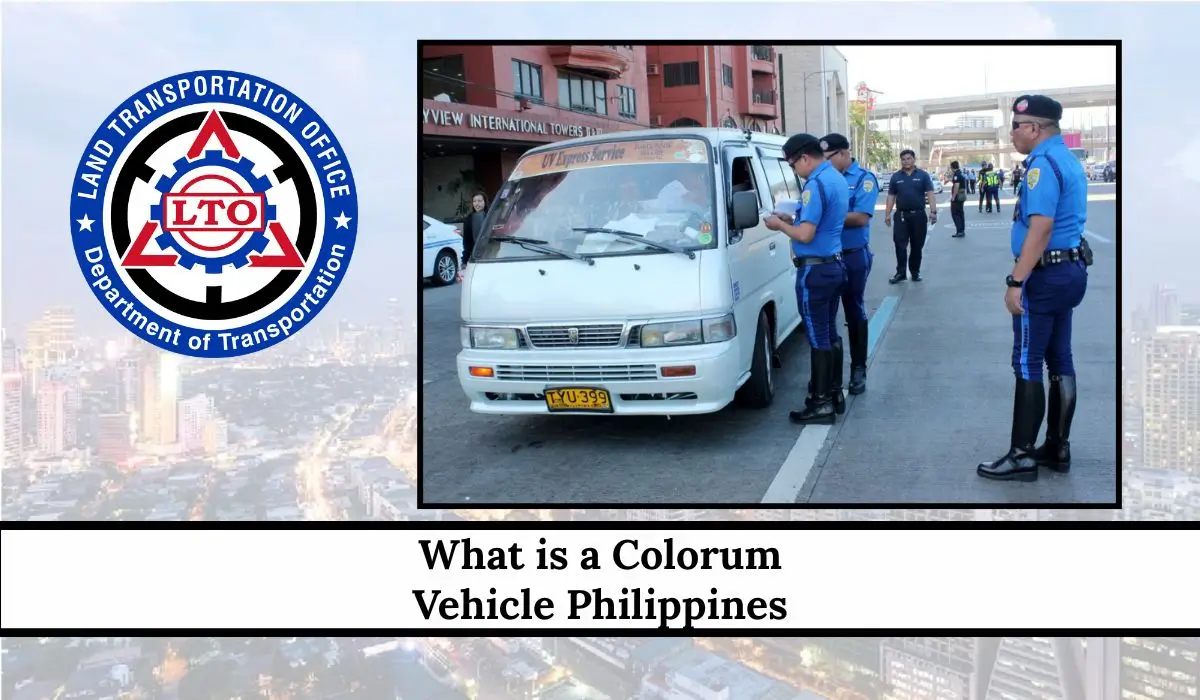
However, not all vehicles operating on Philippine roads are legal. Some vehicles carry passengers and collect fares without having proper permits or government authorization. These vehicles are called colorum vehicles.
Understanding what a colorum vehicle is, why it is illegal, and how it affects passengers and transportation operators is very important. This guide explains everything you need to know about colorum vehicles in the Philippines using simple and easy.
What is a Colorum Vehicle?
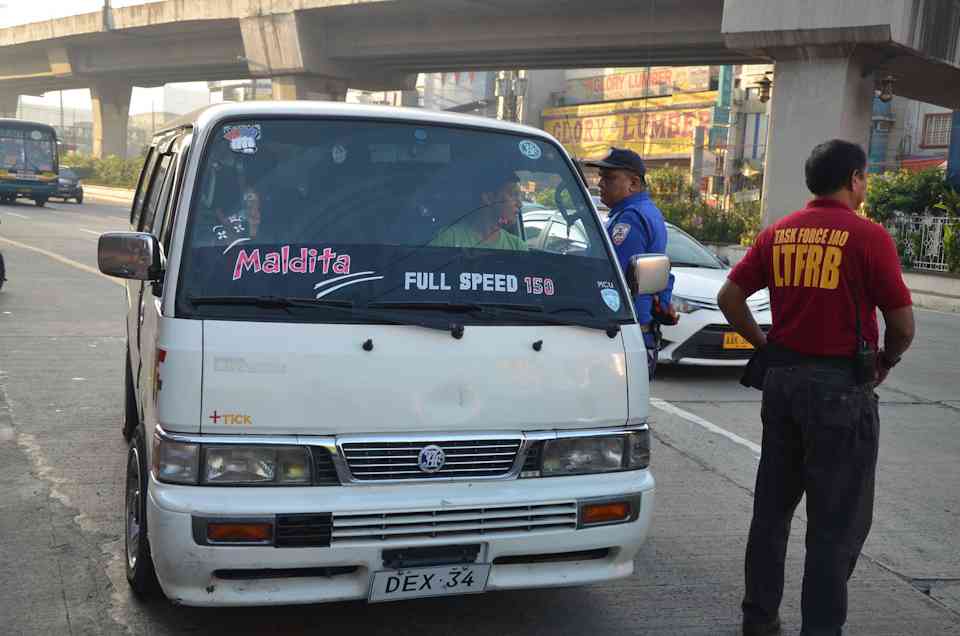
A colorum vehicle is a vehicle that carries passengers and charges money without having the proper franchise, permit, or authorization from the government.
In simple words, if a private or public vehicle accepts passengers for payment without legal approval, it is considered colorum.
These vehicles operate illegally because they are not officially registered as authorized public transportation units.
Even if the vehicle looks safe, clean, modern, or comfortable, it is still illegal if it does not have the proper permits from the government agencies responsible for transportation. The term “colorum” is widely used in the Philippines to describe unauthorized transportation operations.
Meaning of the Word “Colorum”
The word “colorum” has an interesting history in the Philippines. Over time, it became associated with illegal or unauthorized activities. Today, in transportation, the word refers to vehicles operating without legal permission.
When Filipinos hear the term “colorum,” they immediately think of illegal public transportation vehicles.
Why Public Transportation Needs Regulation
Public transportation carries thousands of passengers every day. Because passenger safety is very important, the government created laws and systems to regulate transportation services. Legal public utility vehicles must follow strict rules such as:
- Vehicle inspections
- Passenger insurance
- Driver training
- Approved routes
- Safety standards
- Fare regulations
- Proper registration
Without these rules, passengers may be exposed to dangerous situations. Colorum vehicles avoid many of these legal requirements, which is why they are considered unsafe and illegal.
Legal Basis for Identifying Colorum Vehicles
The Philippine government has specific requirements for vehicles that want to operate as public transportation. A vehicle must have the following to legally carry passengers:
1. Valid LTFRB Franchise
The vehicle must have authorization from the Land Transportation Franchising and Regulatory Board or LTFRB.
The LTFRB is responsible for regulating public transportation services in the Philippines.
Without a valid franchise, a vehicle cannot legally transport paying passengers.
2. Approved Route
Public utility vehicles can only operate on routes approved by the government.
If a vehicle goes beyond its approved route, it may already be violating transportation laws.
3. Proper Registration
The vehicle’s OR/CR should clearly indicate that it is registered as a public utility vehicle.
Private vehicles used for public transport without proper conversion are considered illegal.
4. Passenger Insurance
Authorized public vehicles must provide passenger insurance.
This protects passengers financially in case of accidents or injuries.

Colorum vehicles usually do not have proper passenger insurance coverage.
Common Types of Colorum Vehicles in the Philippines
Colorum operations can involve many types of vehicles.
UV Express Vans
Some UV Express vans operate beyond approved routes or without valid permits. These are among the most common forms of colorum transportation.
Private Cars
Some private cars are used to pick up passengers in exchange for money without legal authorization. This often happens in busy cities where transportation demand is high.
Buses
Some buses continue operating even after their franchise expires. Others may operate without complete documents.
Tricycles
Certain tricycles operate in areas where they are not legally allowed. Some also carry passengers outside approved zones.
Motorcycles
In some places, motorcycles offer paid rides illegally in restricted areas. Because regulations differ depending on local government rules, some motorcycle operations may be considered colorum.
Why Are Colorum Vehicles Illegal?
Colorum vehicles are illegal because they do not follow transportation laws and safety regulations required by the government. Here are the main reasons why they are banned.
Lack of Passenger Safety
Safety is one of the biggest concerns involving colorum vehicles. Authorized public transportation undergoes inspections and maintenance checks regularly. Colorum vehicles often avoid these inspections. This means:
- The brakes may not work properly
- Tires may be unsafe
- Engines may not be maintained
- Emergency equipment may be missing
Passengers riding these vehicles face greater risks.
Drivers May Not Be Properly Qualified
Legal public utility vehicle drivers are required to follow rules and qualifications. Some colorum drivers may not have proper training or professional licenses. This increases the chances of accidents and unsafe driving behavior.
No Passenger Insurance
One major danger of riding a colorum vehicle is the lack of insurance protection. If an accident happens:
- Medical expenses may not be covered
- Passengers may struggle to receive compensation
- Families may face financial problems
Authorized vehicles provide insurance protection to passengers. Colorum vehicles usually do not.
Unregulated Fares
Legal transportation services follow fare regulations approved by authorities.
- Colorum operators may charge unreasonable or inconsistent fares.
Passengers may end up paying too much.
Illegal Competition
Legitimate transportation operators spend money for:
- Permits
- Franchise applications
- Taxes
- Insurance
- Vehicle maintenance
Colorum operators avoid these expenses. As a result, they can offer lower prices, creating unfair competition.
Public Safety Risks of Colorum Vehicles
The rise of colorum vehicles creates serious public safety concerns across the Philippines.
Increased Accident Risks
Vehicles without regular inspections are more likely to experience mechanical problems. This can lead to road accidents.
Lack of Accountability
When passengers ride unauthorized vehicles, it becomes harder to identify responsible parties during accidents or crimes.
Crime Risks
Some unregistered transportation services may expose passengers to robbery, scams, or other crimes.
Because the vehicle is not properly registered for public transport, tracking operators can become difficult.
Poor Vehicle Conditions
Many colorum vehicles operate without proper maintenance. Passengers may notice:
- Overcrowding
- Poor ventilation
- Broken seats
- Unsafe driving practices
Economic Effects of Colorum Operations
Colorum vehicles also affect the economy and transportation industry.
Loss of Government Revenue
Legal transportation operators pay taxes and fees. Colorum operators often avoid these obligations. This reduces government revenue that could have been used for transportation improvements.
Unfair Competition
Authorized operators spend large amounts of money to comply with the law. When illegal operators offer cheaper rides, legal operators lose passengers and income.
Impact on Transportation Industry
If illegal transportation continues growing, it weakens trust in the transportation system. This affects both businesses and passengers.
Penalties for Operating a Colorum Vehicle
The Philippine government imposes heavy penalties on operators and drivers caught operating colorum vehicles. These penalties are designed to discourage illegal transportation activities.
Common Penalties Include:
- Large fines
- Vehicle impoundment
- License suspension
- Franchise cancellation
- Legal charges
Official Fines for Colorum Vehicles
Below is a table showing common penalties for colorum violations.
| Type of Vehicle | Fine | Minimum Impounding Period |
|---|---|---|
| Bus | PHP 1,000,000 | 3 Months |
| Truck | PHP 200,000 | 3 Months |
| Jeepney | PHP 50,000 | 3 Months |
| Van | PHP 200,000 | 3 Months |
| Sedan | PHP 120,000 | 3 Months |
| Motorcycle | PHP 6,000 | 3 Months |
These penalties may increase for repeated offenses.
Vehicle Impoundment
Authorities can confiscate and impound colorum vehicles. Impounded vehicles are kept for several months depending on the violation. This creates major financial losses for operators.
Suspension or Cancellation of Franchise
Repeat offenders may lose their transportation franchise permanently. This prevents them from legally operating public transportation businesses.
Government Agencies Involved in Enforcement
Several government agencies work together to stop colorum operations.
LTFRB
The Land Transportation Franchising and Regulatory Board regulates public transportation franchises.
LTO
The Land Transportation Office handles vehicle registration and licensing.
MMDA
The Metropolitan Manila Development Authority assists in traffic enforcement and apprehension of illegal vehicles in Metro Manila.
Local Government Units
Local governments also help monitor illegal transportation operations.
How Authorities Catch Colorum Vehicles
Authorities use different methods to identify illegal transportation operations.
Checkpoints
Random checkpoints help inspect vehicle documents and permits.
Surveillance Operations
Government agencies conduct monitoring activities in terminals and busy roads.
Passenger Complaints
Passengers can report suspicious vehicles to authorities.
Roadside Inspections
Traffic officers inspect vehicles for valid permits and registrations.
How to Identify a Legal Public Utility Vehicle
Passengers should know how to recognize authorized transportation services.
Check the Plate Number
Legal public utility vehicles usually have yellow license plates.
Look for LTFRB Stickers
Authorized vehicles display LTFRB permits and stickers.
Check the Fare Matrix
Legal vehicles post approved fare rates inside the vehicle.
Verify the Route
Authorized public vehicles follow approved routes.
Observe Vehicle Markings
Legal public utility vehicles normally display clear route and operator information.
Why Some People Still Use Colorum Vehicles
Despite the risks and penalties, many people continue using colorum transportation services.
Lack of Transportation Options
In some areas, legal transportation services are limited. Passengers may feel they have no choice.
Faster Transportation
Colorum vehicles sometimes provide faster rides compared to crowded legal transportation systems.
Cheaper Fares
Some colorum operators offer lower fares to attract passengers.
High Passenger Demand
During rush hours, commuters often take available rides regardless of legality.
Why Some Drivers Operate Colorum Vehicles
Operators also have reasons for entering illegal transportation operations.
Expensive Franchise Process
Getting a legal franchise can be expensive.
Complicated Requirements
Many drivers struggle to complete government requirements.
Lack of Employment Opportunities
Some individuals use private vehicles for income because of limited job opportunities.
High Transportation Demand
In busy cities, transportation demand creates opportunities for illegal operators.
Government Efforts to Stop Colorum Operations
The Philippine government continuously works to reduce illegal transportation activities.
Regular Apprehension Operations
Authorities regularly conduct anti-colorum operations nationwide.

Vehicle Impounding
Illegal vehicles are confiscated to discourage operators.
Public Awareness Campaigns
Government agencies educate commuters about transportation safety.
Coordination With Police
Authorities work with law enforcement agencies to monitor illegal operations.
Challenges in Fighting Colorum Operations
Despite government efforts, stopping colorum operations remains difficult.
Large Number of Vehicles
Thousands of vehicles operate daily across the country. Monitoring all of them is challenging.
Transportation Demand
High commuter demand encourages illegal operations.
Economic Problems
Some operators rely on colorum transportation for income.
Limited Public Transportation
Insufficient legal transportation services create opportunities for illegal operators.
Community Awareness and Public Participation
Passengers also play an important role in reducing colorum operations.
Report Illegal Vehicles
People can report suspicious transportation services to authorities.
Choose Legal Transportation
Supporting legal transportation helps improve safety and fairness.
Educate Others
Sharing awareness about transportation safety helps communities.
Difference Between Legal and Colorum Vehicles
| Legal Public Vehicle | Colorum Vehicle |
|---|---|
| Has LTFRB franchise | No valid franchise |
| Registered as public utility vehicle | Often privately registered |
| Has passenger insurance | Usually no insurance |
| Follows approved routes | May operate anywhere |
| Undergoes inspections | Often avoids inspections |
| Regulated fares | Unregulated fares |
Risks of Riding a Colorum Vehicle
Passengers should understand the dangers involved.
Financial Risks
Passengers may not receive compensation during accidents.
Safety Risks
Vehicles may not meet safety standards.
Legal Problems
Passengers may become involved in investigations during enforcement operations.
Unpredictable Service
Colorum vehicles may suddenly disappear or change routes without notice.
Role of Technology in Monitoring Illegal Vehicles
Modern technology is helping authorities monitor transportation systems more effectively.
CCTV Cameras
Traffic cameras help monitor suspicious vehicle activities.
Online Reporting Systems
Passengers can submit reports through online platforms.
Digital Databases
Authorities now use databases to verify vehicle franchises and registrations.
Impact of Colorum Vehicles on Legitimate Operators
Legal transportation operators suffer major losses because of illegal competition.
Reduced Passenger Income
Passengers often choose cheaper illegal rides.
Higher Operating Costs
Legal operators continue paying taxes, permits, and maintenance expenses.
Industry Frustration
Many legal operators feel frustrated because illegal competitors continue operating.
Importance of Following Transportation Laws
Transportation laws are created to protect both passengers and drivers. Following these rules helps ensure:
- Safer roads
- Better transportation systems
- Fair competition
- Passenger protection
- Organized traffic flow
Without regulations, transportation systems can become dangerous and chaotic.
How Passengers Can Stay Safe
Passengers can take simple steps to avoid dangerous transportation services.
Use Official Terminals
Ride from authorized terminals whenever possible.
Avoid Unmarked Vehicles
Be careful with vehicles that have no clear identification.
Verify Driver Information
If possible, check driver IDs and vehicle details.
Trust Your Instincts
If something feels suspicious, avoid riding the vehicle.
Future of Transportation Enforcement in the Philippines
The Philippine government continues improving transportation regulations and enforcement systems. Future efforts may include:
- Stronger digital monitoring
- Better commuter education
- Faster franchise processing
- Increased roadside inspections
- Improved public transportation services
The goal is to reduce illegal transportation operations while improving commuter safety.
Conclusion
Colorum vehicles remain a serious issue in the Philippines. While they may offer quick, cheap, and convenient transportation, they also create major safety, legal, and economic problems. These vehicles operate without proper authorization, insurance, and government regulation. Because of this, passengers face higher risks whenever they ride unauthorized transportation services.
The government continues working hard to stop colorum operations through inspections, checkpoints, vehicle impoundment, and public awareness campaigns. However, solving the problem also requires cooperation from passengers, drivers, transportation operators, and local communities.