Motorcycle Hand Signals Philippines 2026: Complete Guide for Safe Riding And Road Communication
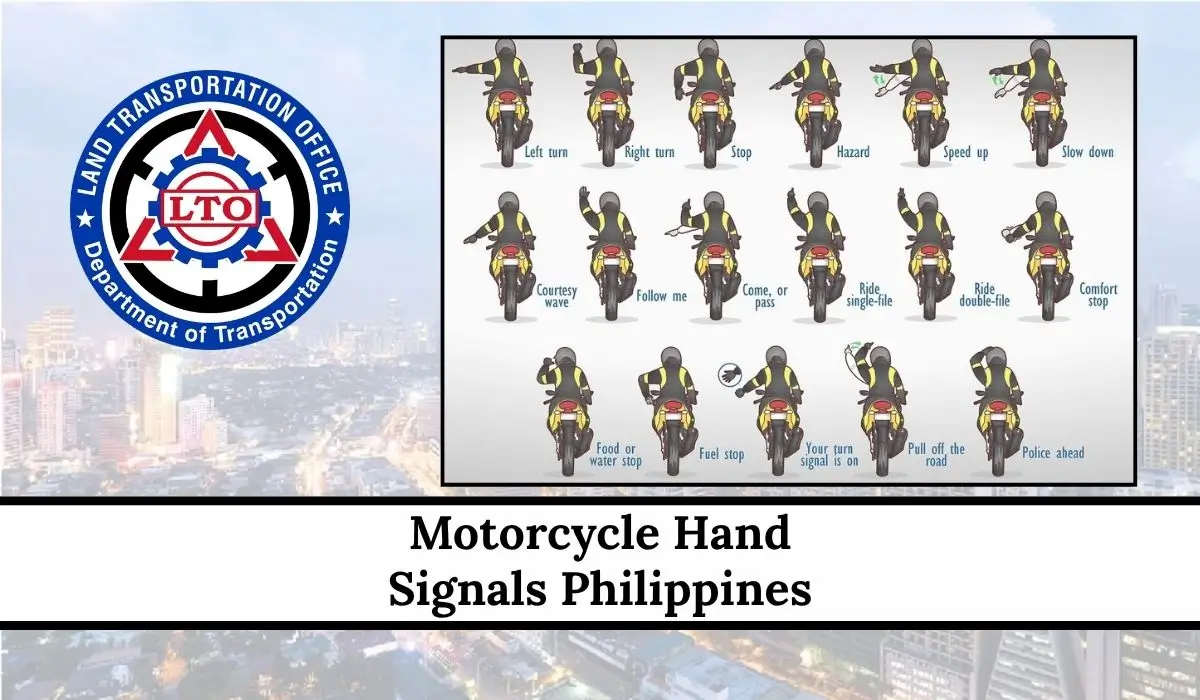
Motorcycle Hand Signals Philippines. Riding a motorcycle in the Philippines is more than just travel it’s freedom, adventure, and daily convenience. However, with busy traffic, changing weather, and unexpected road conditions, safety becomes very important. Sometimes, bike indicators may not work properly or may not be clearly visible. In these situations, motorcycle hand signals become a reliable way to communicate with other riders and drivers.
Hand signals are simple gestures used to show your intentions, such as turning, stopping, slowing down, or warning about road hazards. They act as a universal language that every rider can understand, especially during group rides where coordination is necessary.
In the Philippines, these signals are an important part of safe riding practices. They help reduce confusion, prevent accidents, and improve overall road communication. Learning and using motorcycle hand signals can make every ride safer, smoother, and more controlled, whether you are riding alone or with others on the road.
Motorcycle Hand Signals Philippines
Motorcycle hand signals are a simple yet powerful way to communicate on the road. Whether you are riding alone or in a group, these signals help you share your intentions with other riders and drivers. In the Philippines, where traffic can be busy and unpredictable, using hand signals is not just helpful—it is essential.
From city streets to long highway rides, hand signals act as a universal language among riders. Even if you don’t know the person riding beside you, a simple hand movement can instantly deliver an important message.
Why Motorcycle Hand Signals Matter
Imagine riding with your friends on a bright day, all of you enjoying the road. Suddenly, your signal light stops working, or the glare makes it hard to see. What now? That’s when hand signals help.
A simple wave, an open palm, or a raised arm can tell others what you’re about to do. It’s an easy way to stay safe and keep everyone on the same page.
Using hand signals shows responsibility. It shows that you care not only about your own safety but also about others on the road. In many situations, these signals can prevent confusion, avoid accidents, and save lives.
Legal and Safety Context in the Philippines
In the Philippines, riders are taught basic hand signals as part of their driving knowledge. Roads can be unpredictable, and weather conditions like rain can reduce visibility.
Sometimes:
- Turn signals may stop working
- Bright sunlight may hide your indicators
- Heavy traffic may block visibility
In such situations, hand signals become your backup communication tool.
Learning and using them is not just about following rules—it’s about safety. A clear signal can warn others and prevent accidents before they happen.
Common Motorcycle Hand Signals and Their Meanings
These are the most important signals every rider should know:
1. Left Turn
Stretch your left arm straight out to the side.
This clearly tells others that you are turning left.
2. Right Turn
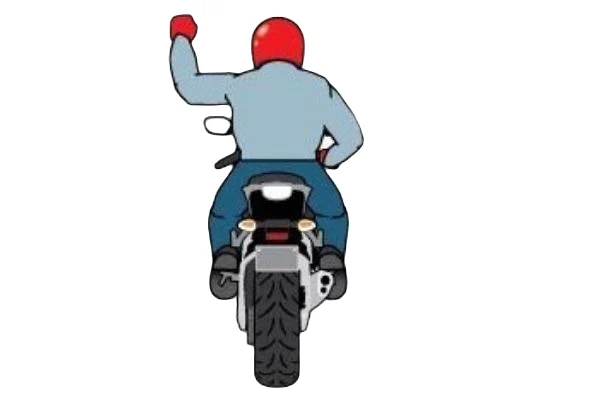
Bend your left arm upward at a 90-degree angle.
This indicates a right turn when right-hand signaling is not possible.
3. Stop or Slow Down
Lower your left arm with your palm facing backward.
This warns riders behind you to slow down or stop.
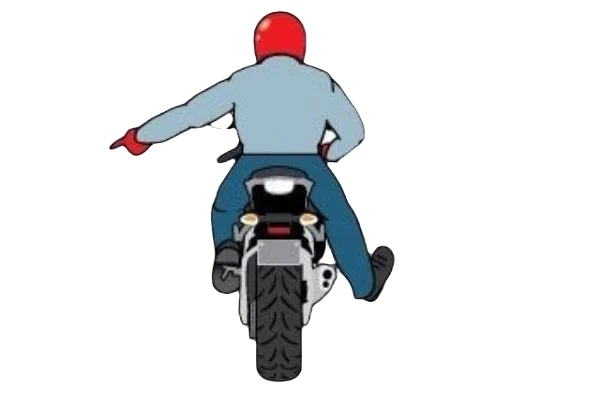
4. Hazard or Warning
Wave your arm or point toward the hazard.
This helps alert others about danger on the road.
5. Single-File Formation
Raise one finger upward.
This tells riders to line up in a single file.
6. Double-File Formation
Raise two fingers.
This signals riders to ride side by side.
These basic signals are the foundation of safe riding communication.
Motorcycle Hand Symbols: Understanding the Categories
Motorcycle hand signals can be divided into different categories. Each category helps riders communicate in specific situations.
The Basics
These are the most common signals used daily.

Stop
Extend your left arm straight with your palm facing down.
This shows you are stopping completely.
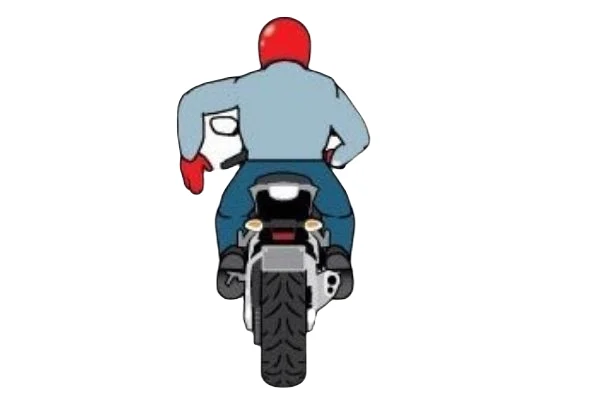
Slow Down
Extend your arm and move your hand up and down slowly.
This tells others to reduce speed.
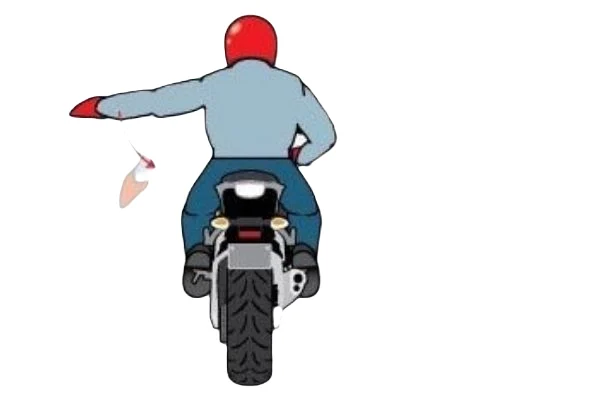
Speed Up
Extend your arm with palm up and move it upward.
This signals an increase in speed.
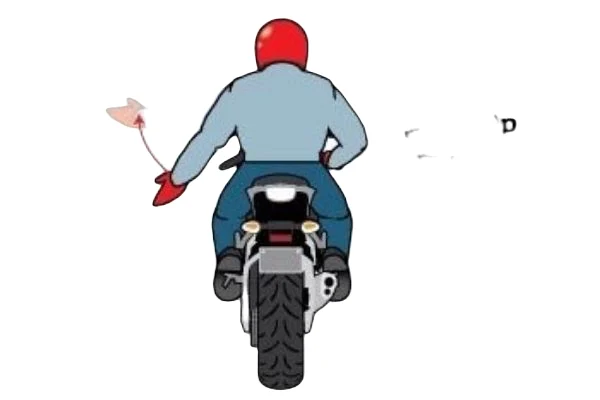
Turn Signals
Turning safely is very important while riding.
Turn Left
Left arm straight out, palm down.
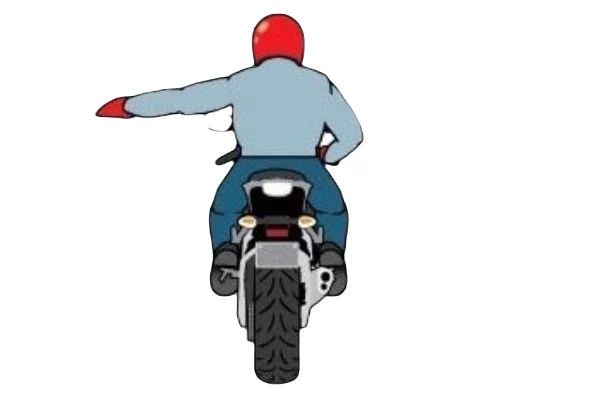
Turn Right
Left arm bent upward.
Turning Around
Move your arm in a circular motion.
This shows you plan to turn around.
U-Turn
Move your hand in a U shape.
This signals a U-turn.
Lane Positioning Signals
These signals help manage road position and movement.
Oncoming Traffic
Point toward the opposite direction.
Warns about vehicles coming ahead.
Merge Right
Move your arm toward the right side.
Merge Left
Move your arm toward the left side.
Clear to Pass
Point upward and rotate your finger.
Indicates it is safe to pass.
Lane Change Right
Point and move your arm to the right.
Lane Change Left
Point and move your arm to the left.
Road Narrows
Move your hand inward.
Warns about narrow roads.
Sharp Curve Ahead
Move your hand in a curved motion.
Hazard Signals
These signals are very important for safety.
Hazard on Road
Point directly at the hazard.
Road Obstruction
Sweep your hand across your body.
Speed Bumps
Move your hand in a bouncing motion.
Animals on Road
Use a hopping motion.
Debris on Road
Sweep your hand across your body.
Potholes
Tap your hand downward.
Pedestrians
Use a walking motion.
Cyclists
Move your hand in a circular motion.
Vehicles Pulling Out
Use a pulling motion.
Construction Zone
Use a hammering motion.
Slippery Roads
Slide your hand sideways.
Fallen Rocks
Use a throwing motion.
Low Clearance
Move your hand downward.
High Winds
Wave your arm.
Blind Spot
Sweep your hand behind your back.
Emergency Vehicles
Flash your hand repeatedly.
Railway Crossing
Make a crossing motion.
Traffic Light Ahead
Use a stopping motion.
School Zone
Open your hand like a book.
Road Works
Use a digging motion.
Animals Crossing
Use walking animal gestures.
Loose Gravel
Use a tossing motion.
Fuel Station Nearby
Make a pumping motion.
Fallen Branches
Use a snapping motion.
Group Riding Signals
Group riding is very popular in the Philippines.
Follow Me
Move your hand toward your body.
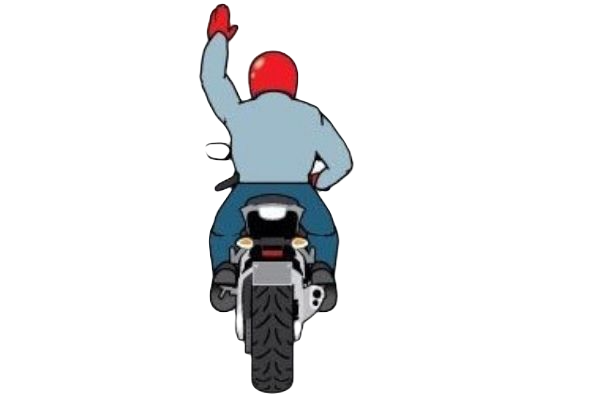
Single File
Raise one finger.
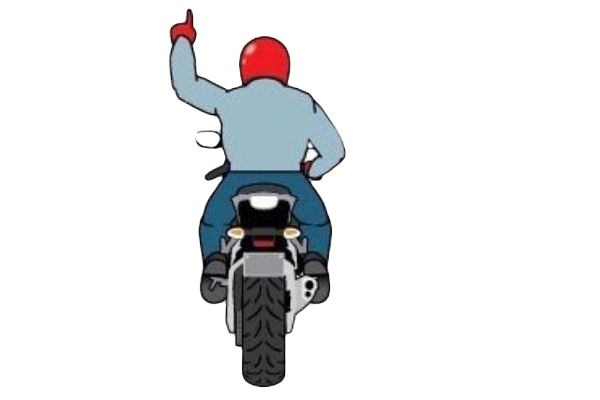
Double File
Raise both arms outward.
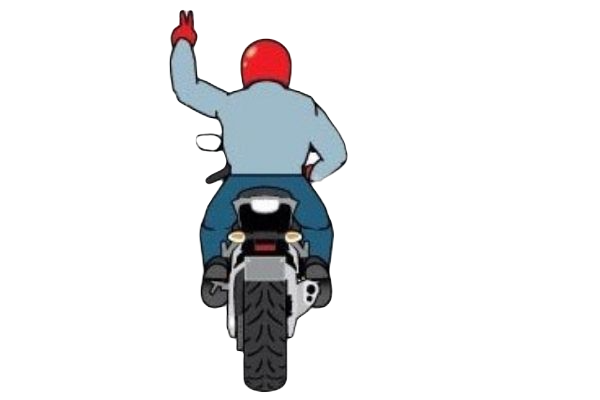
Group Stop
Move your hand toward your body.
Follow Close
Bend your elbow repeatedly.
Emergency Signals
These signals are used in urgent situations.
Emergency Stop
Wave both arms quickly.
Lost Rider
Tap your helmet.
Need Assistance
Move your hand toward your body.
Miscellaneous Signals
Fuel Stop
Tap your helmet.
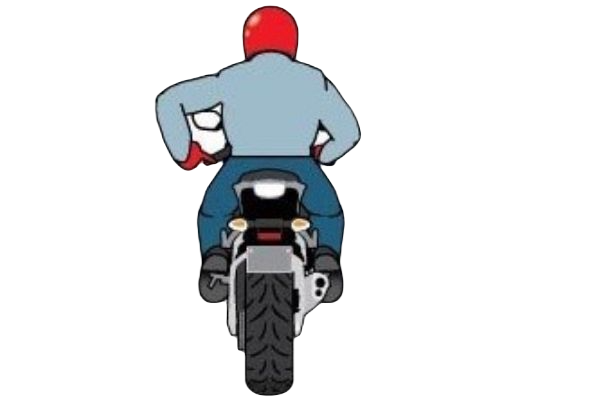
Rest Stop
Move your hand inward.
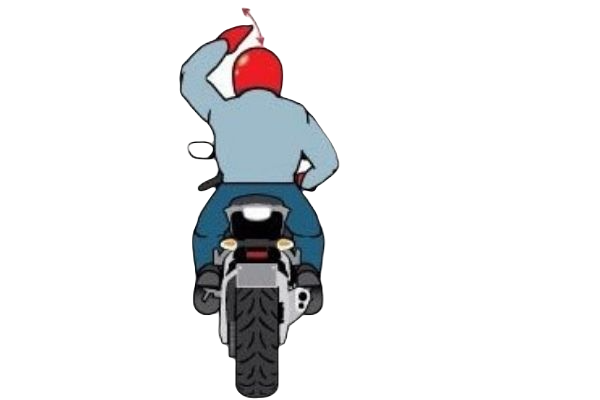
Police Ahead
Tap the top of your helmet.
Motorcycle Group Riding Etiquette in the Philippines
Filipino riders share a strong connection. Riding in groups is common, and teamwork is very important.
The lead rider, often called the road captain, gives signals first. Other riders repeat the signal so everyone understands.
Before every ride:
- Review hand signals
- Assign roles
- Maintain proper distance
This helps avoid confusion and keeps the group safe.
Video Guide
Tips to Practice and Remember Hand Signals
Learning hand signals is easy if you practice regularly.
Practice Regularly
Go to a quiet place and repeat signals until they feel natural.
Make Clear Movements
Use big and steady gestures so others can see them.
Stay Alert
Always check mirrors and surroundings before signaling.
Wear Bright Gloves
Bright colors make signals easier to see.
Learn from Others
Watch experienced riders and copy their techniques.
Common Mistakes Riders Make
Even experienced riders sometimes make mistakes.
Unclear Signals
Small or fast movements can confuse others.
Forgetting to Cancel Signals
Some riders forget to lower their hand after signaling.
Over-Reliance on Indicators
Indicators can fail, so hand signals are important.
Poor Timing
Late signals can cause accidents.
Always make your signals:
- Slow
- Clear
- Easy to understand
Motorcycle Safety Awareness and Education
Safety starts with awareness. Learning hand signals is just the beginning.
Good riders:
- Stay disciplined
- Respect traffic rules
- Think about others
Hand signals are one of the easiest ways to improve safety. They help create better communication and trust among riders.
Why Hand Signals Are a Universal Language
Motorcycle hand signals work everywhere. No matter where you ride, these gestures are understood by riders worldwide.
They do not depend on:
- Language
- Technology
- Sound
This makes them reliable in all situations.
Benefits of Using Motorcycle Hand Signals
Using hand signals gives many benefits:
- Improves safety
- Reduces accidents
- Helps group coordination
- Builds rider trust
- Works even without technology
When to Use Hand Signals
You should use hand signals when:
- Indicators are not visible
- Riding in a group
- Warning about hazards
- Changing lanes
- Turning or stopping
Real-Life Riding Scenarios
City Traffic
Heavy traffic needs quick communication. Hand signals help avoid confusion.
Highway Riding
At high speeds, clear signals prevent accidents.
Night Riding
Signals become more important when visibility is low.
Rainy Weather
Rain can hide indicators, making hand signals very useful.
Building Good Riding Habits
To become a better rider:

- Practice daily
- Stay focused
- Use signals consistently
- Respect others on the road
Good habits lead to safer rides.
FAQs About Motorcycle Hand Signals Philippines
What are motorcycle hand signals and why are they important?
Ans: Motorcycle hand signals are simple gestures used by riders to communicate with others on the road. They are important because they help share intentions like turning, stopping, or warning about hazards. These signals improve safety, especially when indicators are not visible or not working.
Are motorcycle hand signals required in the Philippines?
Ans: Yes, motorcycle hand signals are part of basic road safety knowledge in the Philippines. Riders are encouraged to learn and use them, especially in situations where signal lights may fail or visibility is poor.
When should I use motorcycle hand signals?
Ans: You should use hand signals when turning, stopping, slowing down, changing lanes, or warning others about road hazards. They are also very useful during group rides and in heavy traffic conditions.
Can hand signals replace motorcycle indicators?
Ans: Hand signals are not meant to fully replace indicators, but they act as a backup. If your signal lights are not working or are hard to see, hand signals become very important for communication.
What is the most commonly used motorcycle hand signal?
Ans: The most common signals include the left turn (arm straight out), right turn (arm bent upward), and stop signal (arm lowered with palm facing back). These are the basic signals every rider should know.
How can beginners learn motorcycle hand signals easily?
Ans: Beginners can learn hand signals by practicing in a safe and quiet place. Repeating the gestures regularly, watching experienced riders, and staying consistent will help make the signals feel natural over time.
Why are hand signals important in group riding?
Ans: In group riding, hand signals help riders stay coordinated and avoid confusion. The lead rider gives signals, and others repeat them so everyone understands what is happening on the road.
What mistakes should riders avoid when using hand signals?
Ans: Riders should avoid making unclear or fast gestures, forgetting to cancel signals, or relying only on bike indicators. Clear, slow, and visible signals are always the best approach.
Do hand signals work at night or in bad weather?
Ans: Yes, but visibility can be reduced. That’s why it is helpful to wear bright or reflective gloves so other riders can see your signals more clearly in low light or rainy conditions.
How do motorcycle hand signals improve road safety?
Ans: Motorcycle hand signals improve road safety by reducing confusion and helping riders communicate quickly. They allow everyone on the road to understand each other’s actions, which lowers the risk of accidents and creates a smoother riding experience.
Conclusion
Motorcycle hand signals in the Philippines are essential for safe and smooth riding. They help riders communicate clearly about turns, stops, hazards, and group movements, especially when indicators fail or visibility is low. Learning all signal types from basic to emergency makes you a responsible rider and improves road safety. Regular practice, clear gestures, and staying alert are key to using them effectively. In the end, hand signals are not just gestures they are a powerful way to prevent accidents, build trust among riders, and ensure every journey is safe and enjoyable.