Public Transport Services Philippines 2026: Complete Guide For Buses, Trains And Fares
Public Transport Services Philippines 2026. Public transportation is one of the most important parts of everyday life in the Philippines. Every single day, millions of Filipinos depend on buses, jeepneys, trains, ferries, taxis, and ride-hailing apps to travel from one place to another. Whether someone is going to work, school, shopping malls, airports, hospitals, or provinces, public transport helps people stay connected.
In the Philippines, transportation is not only about moving from one destination to another. It is part of Filipino culture and daily living. From hearing passengers shout “Para po!” inside a jeepney to seeing crowded terminals during rush hour, public transportation reflects the hardworking and resilient spirit of Filipinos.
In this complete guide, you will learn everything about public transport services in the Philippines, including transportation types, government agencies, modernization programs, airport transportation, commuter experiences, transport apps, challenges, and the future of public mobility in the country.
What Are Public Transport Services?
Public transport services are shared transportation systems that allow many people to travel together using one vehicle. These services are affordable, accessible, and important for daily commuting. In the Philippines, public transport includes:
- Jeepneys
- Buses
- UV Express Vans
- Tricycles
- Trains
- Ferries
- Taxis
- Ride-hailing apps
- Air transportation
Millions of people rely on these services every day because they are cheaper than using private vehicles. Public transportation also helps reduce traffic congestion and allows people from different communities to stay connected.
Transportation in the Philippines is more than just a service. It represents the daily lives of workers, students, drivers, operators, and commuters who all work together to keep the country moving.
Overview of Public Transport Services Philippines
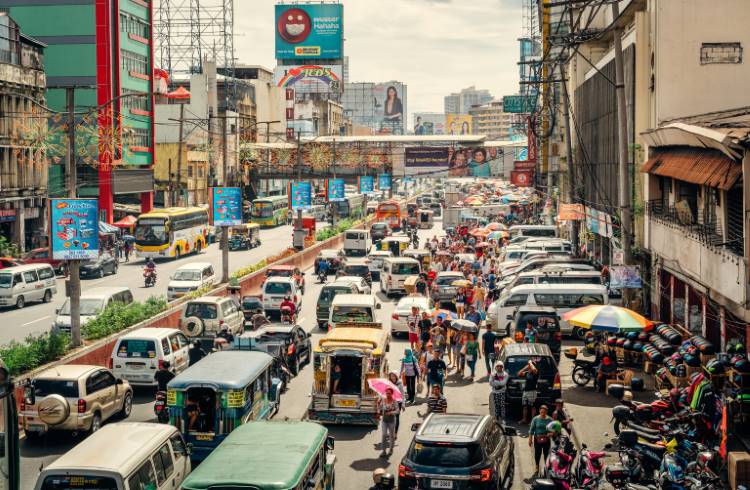
The Philippine transportation system is a combination of traditional and modern transportation methods. Some vehicles like jeepneys represent Filipino culture and history, while newer systems like MRT, LRT, and electric vehicles represent modernization and development. The country’s public transport network includes:
| Transport Type | Main Purpose |
|---|---|
| Jeepneys | Short-distance city transport |
| Buses | City and provincial travel |
| UV Express Vans | Faster direct routes |
| Tricycles | Neighborhood transportation |
| LRT/MRT/PNR | Rail transportation |
| Ferries | Island and river transport |
| Taxis & Ride Apps | Private and convenient travel |
| Airplanes | Domestic and international travel |
Because the Philippines is an archipelago with thousands of islands, transportation systems play a huge role in connecting people, businesses, and communities.
Types of Public Transport in the Philippines
The Philippines has many kinds of transportation services. Each type serves different routes, passengers, and travel needs.
Jeepneys – The King of the Road
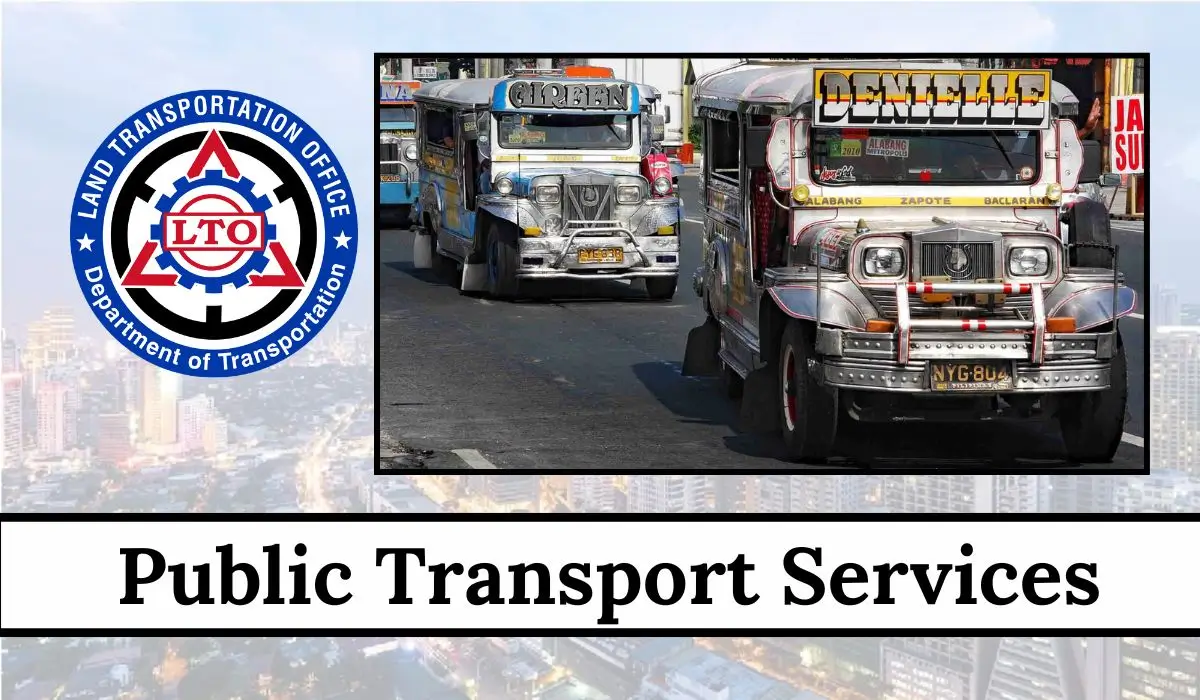
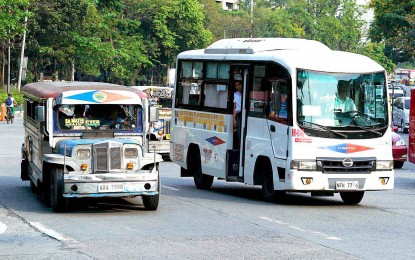
Jeepneys are the most famous public transportation vehicles in the Philippines. They are colorful, affordable, and deeply connected to Filipino culture.
Originally made from old military jeeps after World War II, jeepneys became one of the country’s main transportation systems.
Features of Jeepneys
- Affordable fares
- Fixed routes
- Open-air seating
- Unique colorful designs
- Common in cities and towns
Passengers usually say:
- “Bayad po” when paying
- “Para po” when asking the driver to stop
Jeepney Fare
The minimum fare usually starts at around PHP 12, depending on the distance and route.
Importance of Jeepneys
Jeepneys are important because they:
- Help millions commute daily
- Support drivers and operators
- Connect neighborhoods and communities
- Represent Filipino creativity and culture
However, many old jeepneys create pollution, which is why the government introduced modernization programs.
Buses in the Philippines
Buses are another major part of Philippine transportation. They operate in cities, provinces, and major highways.
Types of Buses
City Buses
These buses operate inside Metro Manila and other cities.
Provincial Buses
These buses travel between provinces and long-distance routes.
Point-to-Point (P2P) Buses
P2P buses provide faster trips with fewer stops.
Air-Conditioned Buses
These buses offer more comfort for passengers.
Shuttle Buses
Usually used by companies, airports, or schools.
EDSA Carousel Bus System
One of the most important transport developments in Metro Manila is the EDSA Carousel Bus System. It uses dedicated bus lanes to reduce travel time along EDSA, one of the busiest roads in the country.
Benefits of EDSA Carousel
- Faster transportation
- Less traffic delays
- Organized bus loading areas
- More convenient commuting
The EDSA Carousel became especially important during the pandemic and continues to help daily commuters.
UV Express Vans
UV Express Vans are popular among passengers who want faster and more comfortable transportation. These vans operate on fixed routes and connect terminals, residential areas, and business districts.
Advantages of UV Express
- Air-conditioned rides
- Fewer stops
- Faster travel time
- Comfortable seating
However, fares are usually higher than jeepneys and regular buses.
Tricycles in the Philippines
Tricycles are one of the most common forms of local transportation in towns and barangays. They consist of:
- A motorcycle
- A passenger sidecar
Uses of Tricycles
- Short-distance travel
- Neighborhood transportation
- Trips to markets and schools
- Transportation in rural areas
Fare Rates
- Regular fares: PHP 10–20
- Special trips: Around PHP 40 or higher
Passengers often negotiate prices before riding.
Train Systems in the Philippines
Rail transportation helps reduce traffic congestion in Metro Manila. The Philippines currently has three major train systems:
| Train System | Coverage |
|---|---|
| LRT-1 | North to South Manila |
| LRT-2 | East to West routes |
| MRT-3 | EDSA corridor |
| PNR | Metro Manila to nearby provinces |
LRT and MRT Systems
The Light Rail Transit (LRT) and Metro Rail Transit (MRT) are among the fastest ways to travel in Metro Manila.
Benefits of LRT and MRT
- Faster travel
- Avoid heavy traffic
- Affordable transportation
- Convenient city commuting
Ticket Prices
Single-journey tickets range from PHP 12 to PHP 24 depending on distance.
Beep Card System
Frequent commuters use the Beep Card, a reloadable smart card used for:
- MRT
- LRT
- Some buses
- Convenience stores
The Beep Card saves time because commuters no longer need to buy tickets every ride.
Philippine National Railways (PNR)
The PNR provides railway services connecting Metro Manila to nearby provinces. It is commonly used by commuters traveling longer distances outside the capital region.
PNR Advantages
- Lower travel costs
- Less road traffic
- Provincial connectivity
The government plans to improve and expand railway systems in the future.
Ride-Hailing Apps in the Philippines
Technology changed transportation in the Philippines through ride-hailing apps.
Grab
Grab is the most popular ride-booking app in the country.
Grab Services
- GrabCar
- GrabTaxi
- GrabShare
Benefits include:
- Easy booking
- Safer rides
- Cashless payments
- Convenient transportation
Angkas and Motorcycle Taxis
Motorcycle taxi apps became extremely popular because they help passengers avoid traffic.
Popular Motorcycle Apps
- Angkas
- JoyRide
Benefits
- Faster travel
- Affordable prices
- Ideal during traffic jams
These services are widely used in Metro Manila.
Ferries and Water Transportation
Since the Philippines is made up of many islands, ferries are very important.
Types of Ferry Services
Ro-Ro Ferries
These ferries transport vehicles and passengers.
Fast Craft Services
High-speed ferries connecting islands quickly.

Pasig River Ferry
River transportation inside Metro Manila.
Pasig River Ferry System
The Pasig River Ferry offers commuters another transportation option.
Benefits
- Avoid road traffic
- Scenic travel experience
- Affordable commuting
The ferry can transport passengers from Guadalupe to Manila in under one hour.
Public Transport From NAIA Airport
The Ninoy Aquino International Airport (NAIA) is the main international airport in the Philippines. Travelers arriving at NAIA have several transportation choices.
Coupon Taxi
Coupon taxis charge fixed rates depending on destination distance.
Advantages
- Fixed pricing
- Reliable service
- Good for groups
Estimated Fare
PHP 400–720
Metered Regular Taxi
White regular taxis use meters to calculate fares.
Estimated Fare
PHP 180–240 depending on destination.
Yellow Airport Taxi
Yellow taxis are airport-authorized taxis.
Features
- Airport-approved
- Metered fares
- More expensive than regular taxis
Estimated Fare
PHP 300–450
P2P Airport Buses
P2P buses connect NAIA to selected city destinations.
Popular Stops
- Makati
- Robinsons
- Entertainment City
- Atrium
- Grand Prix
Estimated Fare
Around PHP 300
Airport Shuttle Services
Private airport shuttles are another convenient option for travelers. Benefits include:
- Comfortable transportation
- Luggage assistance
- Direct hotel transfers
- Group-friendly rides
Government Agencies Managing Public Transport
Several government agencies regulate transportation in the Philippines.
Department of Transportation (DOTr)
The DOTr manages transportation planning and development nationwide.
Responsibilities
- Transportation policies
- Infrastructure planning
- National transportation projects
Land Transportation Office (LTO)
The LTO handles:
- Driver’s licenses
- Vehicle registrations
- Traffic law enforcement
The LTO ensures drivers and vehicles follow legal standards.
Land Transportation Franchising and Regulatory Board (LTFRB)
The LTFRB regulates public utility vehicles.
Main Responsibilities
- Route approvals
- Fare regulation
- Franchise issuance
- Passenger safety monitoring
The LTFRB plays a huge role in organizing transportation systems.
Metropolitan Manila Development Authority (MMDA)
The MMDA manages:
- Traffic flow
- Road safety
- Metro Manila transportation operations
The agency helps reduce congestion and improve commuting conditions.

Public Utility Vehicle Modernization Program (PUVMP)
One of the biggest transportation reforms in the Philippines is the Public Utility Vehicle Modernization Program. The goal is to replace old public vehicles with safer and cleaner alternatives.
Goals of the Modernization Program
Reduce Pollution
Old vehicles produce smoke and air pollution.
Improve Passenger Safety
Modern vehicles include CCTV, GPS, and better seating.
Better Public Transport
Passengers experience cleaner and more organized rides.
Features of Modern Jeepneys
Modern jeepneys now include:
- Air conditioning
- CCTV cameras
- GPS systems
- Cashless payment systems
- Better seating
- Environment-friendly engines
Challenges of Modernization
Although modernization has benefits, many drivers worry about:
- Expensive vehicle costs
- Loan payments
- Loss of livelihood
Some commuters also struggle with fare increases. Despite challenges, modernization is still important for long-term transportation improvement.
Common Problems in Philippine Public Transportation
Public transportation still faces many serious issues.
Heavy Traffic Congestion
Metro Manila is known for heavy traffic. Traffic causes:
- Delayed travel
- Stress for commuters
- Lost productivity
Overcrowding
Many trains, buses, and jeepneys become overcrowded during rush hours. Passengers often experience:
- Long waiting times
- Limited seating
- Difficult commuting conditions
Old Infrastructure
Some roads, terminals, and stations are outdated. Problems include:
- Poor maintenance
- Small terminals
- Damaged roads
Accessibility Issues
Elderly people and persons with disabilities still face transportation difficulties. Many stations and vehicles lack:
- Elevators
- Ramps
- Accessible facilities
Environmental Concerns
Old vehicles contribute to:
- Air pollution
- Noise pollution
- Fuel waste
This is one reason modernization programs are necessary.
Commuter Experience in the Philippines
Every Filipino commuter has stories about daily travel. Some people wake up before sunrise just to avoid traffic. Others spend hours traveling to work every day.
Despite these struggles, Filipinos continue showing patience, humor, and kindness during commutes. Inside jeepneys, buses, and terminals, passengers often:
- Help each other
- Share directions
- Laugh during stressful situations
Public transportation reflects the resilience and positivity of Filipino culture.
Technology and Digital Transport Services
Technology continues improving transportation systems.
Mobile Apps for Commuters
Popular commuter apps include:
| App | Purpose |
|---|---|
| Grab | Ride booking |
| Angkas | Motorcycle rides |
| Sakay.ph | Route planning |
| Google Maps | Navigation |
These apps help commuters:
- Find routes
- Estimate fares
- Save travel time
- Avoid confusion
Cashless Payments in Transportation
Many transportation systems now support cashless payments. Examples include:

- Beep Cards
- QR payments
- E-wallet systems
Cashless systems improve convenience and reduce waiting time.
Importance of Public Transportation in the Philippines
Public transportation is essential for the country.
Economic Importance
Transportation supports:
- Workers
- Businesses
- Tourism
- Trade
Without transportation, cities and businesses cannot function properly.
Social Importance
Public transport connects:
- Families
- Communities
- Provinces
- Schools and workplaces
It allows people to access opportunities and services.
Environmental Benefits
Good transportation systems reduce:
- Private vehicle use
- Traffic congestion
- Fuel consumption
- Pollution
Modern public transportation supports cleaner cities.
Future of Public Transport Services Philippines
The future of Philippine transportation looks promising. The government continues investing in:
- Railway expansion
- Electric jeepneys
- Better terminals
- Smart transportation systems
- Modern airports
- Sustainable transport
Expansion of Railway Systems
Future railway projects aim to reduce traffic and improve commuting. Planned improvements include:
- New MRT and LRT extensions
- Subway systems
- Provincial railway projects
These projects may transform transportation in the coming years.
Electric Vehicles and Green Transportation
Electric vehicles are becoming more important. Benefits include:
- Cleaner air
- Less fuel use
- Reduced pollution
The Philippines is slowly moving toward environmentally friendly transportation.
Smart Transportation Systems
Future transport systems may include:
- Digital ticketing
- AI traffic management
- Real-time transport tracking
- Automated fare systems
Technology will continue shaping transportation services.
Tips for Using Public Transport in the Philippines
Here are some useful tips for commuters and tourists.
Carry Small Cash
Some transportation modes still prefer cash payments.
Avoid Rush Hours
Travel early to avoid overcrowding.
Use Navigation Apps
Apps like Sakay.ph and Google Maps help find routes easily.
Stay Alert
Keep personal belongings safe while commuting.
Learn Basic Transport Terms
| Phrase | Meaning |
|---|---|
| Bayad po | Here’s my payment |
| Para po | Please stop |
| Sakay | Ride |
| Baba | Get off |
Learning these terms can make commuting easier.
FAQs About Public Transport Services Philippines
What are the main public transport services in the Philippines?
The main public transport services in the Philippines include jeepneys, buses, UV Express vans, tricycles, taxis, ferries, trains, and ride-hailing apps like Grab and Angkas. These transportation options help millions of Filipinos travel daily for work, school, business, and tourism. Each transport type serves different routes and passenger needs, making the transportation system diverse and accessible across cities and provinces.
Why are jeepneys important in the Philippines?
Jeepneys are considered one of the most important symbols of Filipino culture and transportation. They provide affordable transportation for millions of commuters every day. Originally created from old military jeeps after World War II, jeepneys became popular because they are inexpensive, flexible, and available almost everywhere. Aside from transportation, jeepneys also reflect Filipino creativity through their colorful designs and decorations.
What is the Public Utility Vehicle Modernization Program (PUVMP)?
The Public Utility Vehicle Modernization Program or PUVMP is a government project designed to improve public transportation in the Philippines. The program aims to replace old and heavily polluting vehicles with modern, safer, and eco-friendly units. Modern jeepneys and buses now include features such as CCTV cameras, GPS systems, air conditioning, and cashless payment systems. The program also focuses on improving passenger safety and reducing environmental pollution.
Which government agencies manage public transportation in the Philippines?
Several government agencies manage and regulate public transportation in the Philippines. The Department of Transportation (DOTr) handles transportation planning and development, while the Land Transportation Office (LTO) manages driver’s licenses and vehicle registrations. The Land Transportation Franchising and Regulatory Board (LTFRB) regulates public utility vehicles, routes, and fares. Meanwhile, the Metropolitan Manila Development Authority (MMDA) oversees traffic management and road safety in Metro Manila.
What are the benefits of using public transportation in the Philippines?
Public transportation offers many advantages for commuters and the country. It helps reduce traffic congestion, lowers travel costs, and provides transportation access to millions of people every day. Public transport also supports businesses, tourism, and economic activities. In addition, using shared transportation helps reduce fuel consumption and pollution compared to relying heavily on private vehicles.
What transportation options are available from NAIA Airport?
Travelers arriving at Ninoy Aquino International Airport (NAIA) can choose from several transportation options. These include coupon taxis, regular metered taxis, yellow airport taxis, point-to-point (P2P) buses, private shuttle services, and ride-hailing apps like Grab. Each option offers different price ranges and comfort levels depending on the passenger’s destination and travel needs.
How do ride-hailing apps help commuters in the Philippines?
Ride-hailing apps like Grab, Angkas, and JoyRide have made transportation more convenient and accessible for commuters. These apps allow passengers to book rides using smartphones, check estimated fares, and track drivers in real time. Motorcycle taxi apps are especially popular in Metro Manila because they help commuters avoid heavy traffic and reach destinations faster.
What are the common problems faced by public transportation in the Philippines?
The Philippine public transportation system still faces many challenges, including heavy traffic congestion, overcrowded vehicles, outdated infrastructure, and pollution from older vehicles. Some commuters also experience long waiting times and inconsistent transport services. Accessibility remains another issue, especially for elderly passengers and persons with disabilities who may struggle with limited transport facilities.
Why is railway transportation important in Metro Manila?
Railway systems such as the MRT, LRT, and PNR are important because they help reduce traffic congestion and provide faster transportation for commuters. Thousands of passengers use trains daily because they are often quicker and more affordable compared to road transportation during rush hours. Railway expansion projects are also expected to improve mobility and transportation efficiency in the future.
What is the future of public transportation in the Philippines?
The future of public transportation in the Philippines looks promising due to ongoing modernization projects and infrastructure development. The government continues to invest in railway expansion, electric jeepneys, modern buses, digital payment systems, and smart transportation technologies. These improvements aim to create a transportation system that is safer, cleaner, faster, and more comfortable for all Filipinos in the coming years.
Conclusion
Public transport services in the Philippines are a major part of everyday Filipino life. From colorful jeepneys and crowded buses to modern trains and digital ride-hailing apps, transportation keeps millions of people connected every day.
Although the country still faces challenges like traffic, overcrowding, and outdated systems, continuous modernization and government reforms are helping improve the commuting experience. Programs like the PUV Modernization Program, railway expansions, and digital payment systems show that the Philippines is moving toward a better transportation future.