Public Utility Bus In Philippines 2026: Complete Guide to Types, Fares, Benefits, Routes And Modern Transportation System
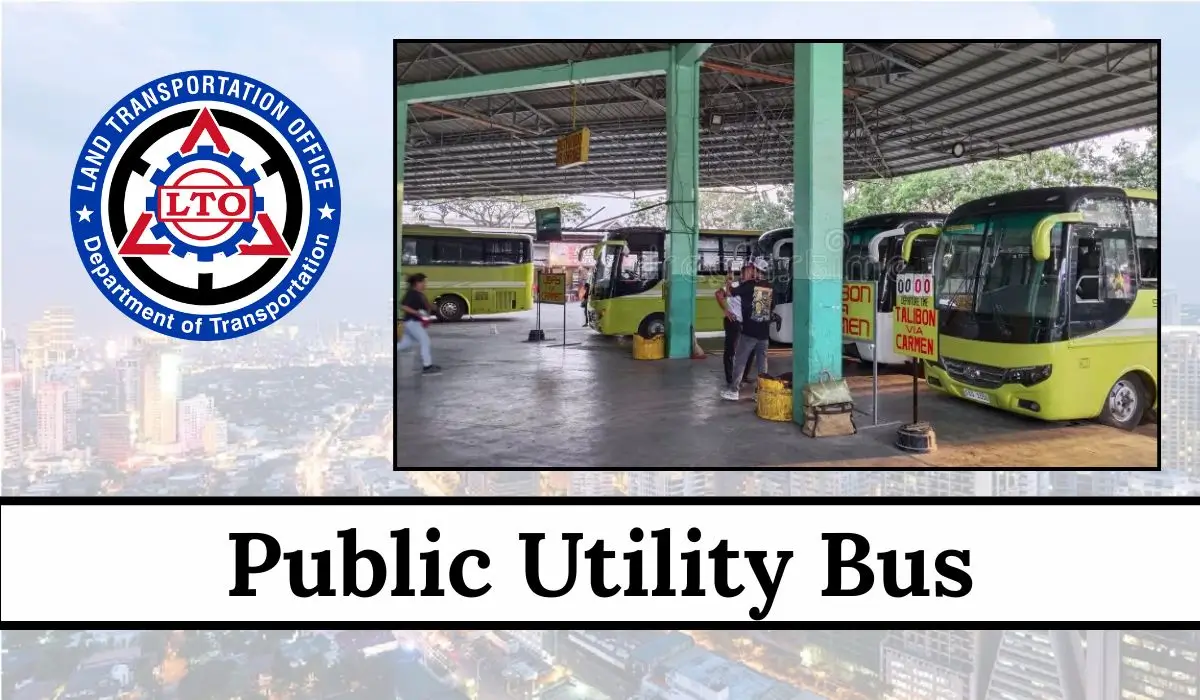
Public Utility Bus In Philippines 2026. In the Philippines, transportation is a daily need, and Public Utility Buses (PUBs) play a key role in making travel easy and affordable. These buses carry millions of passengers every day, connecting busy cities with rural areas through fixed routes and low fares. From workers and students to families traveling long distances, PUBs serve everyone.
Over the years, buses have improved from simple vehicles to modern systems with air-conditioning, GPS, CCTV, and cashless payments. They not only provide convenience but also help reduce traffic congestion and lower pollution by carrying many passengers in one vehicle.
PUBs operate under strict government rules to ensure safety, fair pricing, and reliable service. In this guide, you will learn everything about Public Utility Buses their types, functions, benefits, fares, challenges, and future improvements explaining why they remain an important part of daily life in the Philippines.
What is a Public Utility Bus (PUB)?
A Public Utility Bus (PUB) is a type of transportation vehicle that carries passengers from one place to another for a fare. These buses operate on fixed routes and are open to the public.
In simple words: If you ride a bus and pay money to travel, that bus is a Public Utility Bus.
PUBs are very important because they:
- Help people travel daily
- Connect cities and provinces
- Provide affordable transportation
- Support the economy
They are often called the lifeline of Filipino commuters because they make everyday travel possible.
Key Characteristics of Public Utility Buses
Public Utility Buses in the Philippines have specific features that make them organized and reliable.
1. Fixed Routes
PUBs follow approved routes such as:
- Highways
- Main city roads
- Expressways
2. Different Services
There are many types of services available:
- Regular buses
- Air-conditioned buses
- Express buses
- Point-to-Point (P2P)
- Shuttle buses
- Premium buses
3. Fare System
Fares are based on:
- Distance traveled
- Bus type
- Government regulations
4. Modern Features
Many buses now include:
- GPS tracking
- CCTV cameras
- Wi-Fi
- Cashless payment systems
5. Government Regulation
PUBs are controlled by transport authorities to ensure:
- Safety
- Fair pricing
- Proper operations
Importance of Public Utility Buses in the Philippines
Public Utility Buses are not just vehicles—they are essential for daily life.
They help:
- Workers reach their jobs
- Students go to school
- Families travel between provinces
- Businesses move people efficiently
Without buses, transportation would become expensive and difficult for many Filipinos.
Functions of Public Utility Buses
PUBs serve many important functions in society:
1. Daily Transportation
Millions of people depend on buses every day.
2. Connectivity
They connect:
- Cities to provinces
- Urban areas to rural areas
3. Economic Support
Buses help businesses by:
- Transporting workers
- Supporting tourism
- Enabling trade
4. Mass Transport System
PUBs carry many passengers at once, reducing the need for multiple vehicles.
Benefits of Public Utility Buses
Public Utility Buses offer many advantages that make them a preferred choice.
1. Cost-Effective Travel
Bus fares are affordable compared to private transport, making them accessible for everyone.
2. Wide Coverage
Buses travel across:
- Major cities
- Small towns
- Remote areas
This ensures transportation is available almost everywhere.
3. Traffic Reduction
Since buses carry many passengers in one vehicle, they reduce the number of cars on the road.
4. Environment Friendly
Buses help lower pollution by:
- Reducing fuel consumption per person
- Supporting shared transportation
5. Comfortable Travel Options
Modern buses provide:
- Air-conditioning
- Reclining seats
- Entertainment systems
6. Social Connection
Buses bring people together and create a shared travel experience.
7. Affordable Long-Distance Travel
Provincial buses are a cheap option for traveling far distances.
8. Accessibility for All
Buses are designed to serve:
- Elderly passengers
- Students
- Workers
- People with disabilities
9. Cashless Payments
Some buses now allow:
- Smart cards
- Digital payments
This makes travel faster and more convenient.
Evolution of Public Utility Buses in the Philippines
The bus system in the Philippines has improved over time.
Early Years
- Basic buses without air-conditioning
- Limited comfort
- Simple routes
Modern Development
Today’s buses are:
- Air-conditioned
- Safer and cleaner
- Equipped with modern technology
Government Modernization
The government introduced programs to:
- Upgrade old buses
- Improve safety
- Reduce pollution
This transformation is known as the Public Utility Vehicle Modernization Program (PUVMP).
Types of Public Utility Buses in the Philippines
There are different types of buses to meet different needs.
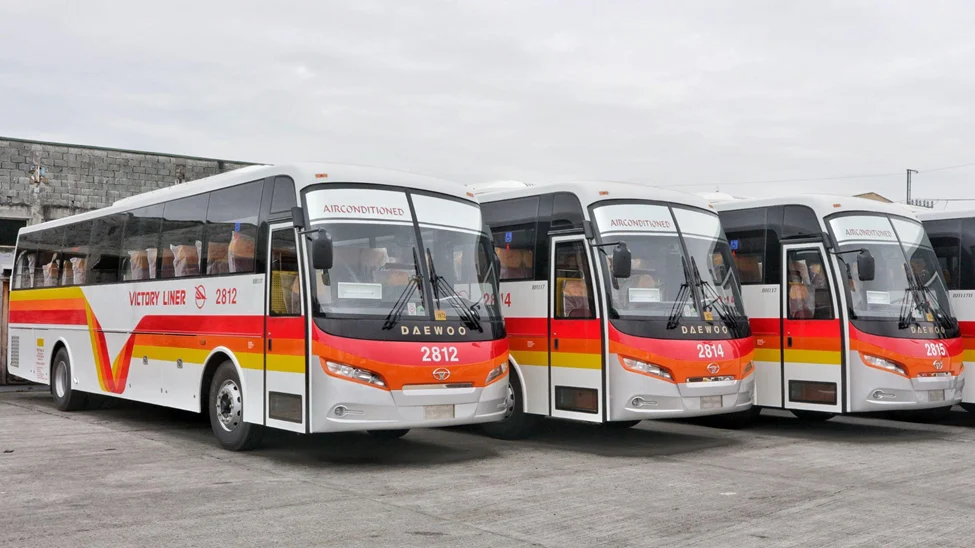
1. Air-Conditioned Buses
- Comfortable and cool
- Ideal for long journeys
- May include Wi-Fi and charging ports
2. Ordinary Buses
- No air-conditioning
- Cheaper fares
- Used for short trips
3. Point-to-Point (P2P) Buses
- Limited stops
- Faster travel
- Fixed schedules
4. City Buses
- Operate within cities
- Frequent stops
- Used for daily commuting
5. Provincial Buses
- Travel between provinces
- Designed for long-distance trips
6. Double-Decker Buses
- Two levels
- Higher passenger capacity
- Mostly used for premium or tourist routes
7. Sleeper Buses
- Beds or sleeping seats
- Ideal for overnight travel
8. Shuttle Buses
- Used for employees or students
- Fixed routes
9. School Buses
- Transport students
- Designed with safety features
10. Tourist Buses
- Used for tours
- Include guides and large windows
11. Airport Shuttle Buses
- Connect airports to cities
12. Electric Buses
- Eco-friendly
- Reduce pollution
Fare System and Payment Methods
Bus fares in the Philippines are regulated to stay affordable.
Minimum Fare
- Starts at around ₱12.00
Factors Affecting Fare
- Distance
- Bus type
- Route
Payment Methods
Passengers can pay using:
- Cash
- Smart cards
- QR codes (in modern buses)
Features of Modern Public Utility Buses
Modern buses now offer better services.
Key Features:
- Air-conditioning
- CCTV cameras
- GPS tracking
- Comfortable seats
- Digital payment systems
- Wi-Fi connectivity
These features improve passenger experience and safety.
Safety Standards and Regulations
Safety is a top priority for public buses.
Bus Requirements:
- Regular maintenance
- Working brakes and lights
- Clean interiors
Driver Requirements:
- Licensed drivers
- Proper training
- Responsible driving behavior
Passenger Safety Tips:
- Board at proper stops
- Follow rules
- Stay alert during travel
Regulatory Agencies and Their Roles
Different government bodies manage the bus system.
1. LTFRB
- Approves routes
- Sets fares
- Issues permits
2. DOTr
- Plans transportation policies
- Manages modernization programs
3. LTO
- Registers buses
- Ensures road safety compliance
These agencies work together to maintain order and safety.
Route System of Public Utility Buses
PUBs must follow approved routes.
Types of Routes:
- City routes
- Provincial routes
- Express routes
Operating outside these routes is illegal.
Public Utility Vehicle Modernization Program (PUVMP)
This program aims to improve public transport.
Goals:
- Replace old buses
- Improve safety
- Reduce pollution
- Introduce modern technology
Benefits:
- Better comfort
- Cleaner environment
- Efficient transport system
Challenges Faced by Public Utility Buses
Despite improvements, some problems still exist.
1. Traffic Congestion
Heavy traffic slows down buses.
2. Overcrowding
Many passengers during peak hours.
3. Old Vehicles
Some buses are still outdated.
4. Infrastructure Issues
Limited bus stops and terminals.
5. Competition
Other transport options reduce bus demand.
6. Driver Behavior
Reckless driving can cause accidents.
Future Improvements in the Bus System
To improve transportation, the government and operators are working on:
- More modern buses
- Better terminals
- Digital ticketing systems
- Cleaner fuel technologies
- Expanded bus routes
These improvements aim to make travel:
- Safer
- Faster
- More comfortable
Why Public Utility Buses Matter
Public Utility Buses are important because they:
- Keep cities moving
- Support daily life
- Provide affordable travel
- Reduce traffic and pollution
They are not just vehicles they are part of people’s everyday lives.
FAQs About Public Utility Bus in the Philippines
What is a Public Utility Bus (PUB) in the Philippines?
Ans: A Public Utility Bus (PUB) is a passenger bus that operates on fixed routes and carries people in exchange for a fare. It is one of the most important forms of transportation in the Philippines. PUBs are used for daily commuting within cities as well as for long-distance travel between provinces. These buses are regulated by government agencies to ensure safety, fair pricing, and proper service. In simple terms, PUBs are the main transport system that helps millions of Filipinos travel to work, school, and other destinations every day.
Why are Public Utility Buses important in the Philippines?
Ans: Public Utility Buses are very important because they serve as the backbone of public transportation in the country. They provide affordable travel for people from all income levels, especially workers and students. Without PUBs, many people would struggle to afford daily transportation. They also help connect rural areas to urban centers, making it easier for goods, services, and people to move across regions. This improves economic activity and supports national development.
What are the different types of Public Utility Buses?
Ans: There are several types of PUBs in the Philippines, each designed for specific travel needs. City buses operate within urban areas and stop frequently. Provincial buses travel long distances between provinces and are more comfortable for long journeys. Air-conditioned buses offer comfort for passengers, while ordinary buses are more affordable. Point-to-Point (P2P) buses provide faster travel with fewer stops. There are also sleeper buses for overnight trips, tourist buses for sightseeing, and modern electric buses designed for eco-friendly transportation.
How are bus fares calculated in the Philippines?

Ans: Bus fares in the Philippines are regulated by the LTFRB (Land Transportation Franchising and Regulatory Board). The fare depends on several factors, including the distance traveled, type of bus, and service level. For example, air-conditioned buses cost more than ordinary buses because they provide better comfort. Provincial buses have higher fares compared to city buses due to longer distances. The government regularly reviews fares to ensure they remain affordable for the public.
What is the role of the LTFRB in bus transportation?
Ans: The LTFRB plays a major role in managing public transportation in the Philippines. It is responsible for issuing permits or franchises to bus operators, setting fare prices, approving routes, and ensuring that transport services follow government rules. The LTFRB also monitors bus companies to ensure passenger safety and service quality. Without LTFRB approval, buses are not allowed to operate legally on public roads.
What safety features do modern buses in the Philippines have?
Ans: Modern Public Utility Buses are equipped with several safety features to protect passengers. These include CCTV cameras for monitoring, GPS tracking systems for location updates, speed limiters to prevent overspeeding, and emergency exits for safety during accidents. Many buses also have regular maintenance schedules and trained drivers to ensure safe driving. These improvements are part of the government’s modernization efforts to make public transport safer and more reliable.
What is the Public Utility Vehicle Modernization Program (PUVMP)?
Ans: The Public Utility Vehicle Modernization Program (PUVMP) is a government initiative aimed at improving public transportation in the Philippines. It focuses on replacing old, unsafe buses with modern vehicles that are more comfortable, safer, and environmentally friendly. These modern buses often include air-conditioning, digital payment systems, and cleaner engines. The program also aims to reduce pollution and improve traffic flow by promoting more efficient transportation systems.
How do Public Utility Buses help reduce traffic congestion?
Ans: Public Utility Buses help reduce traffic congestion by carrying many passengers in a single vehicle. Instead of multiple private cars on the road, one bus can transport dozens of people at once. This reduces the number of vehicles on highways and city streets, especially during peak hours. Bus systems like dedicated lanes and express routes also help improve traffic flow and reduce travel time for commuters.
What challenges do Public Utility Buses face in the Philippines?
Ans: Public Utility Buses face several challenges despite their importance. One of the biggest problems is traffic congestion, especially in busy cities like Metro Manila. Overcrowding during rush hours is also common. Some buses are still old and need replacement. Poor infrastructure, such as limited bus stops and terminals, also affects efficiency. In addition, reckless driving by some operators and competition with other transport modes create further challenges for the system.
What is the future of Public Utility Buses in the Philippines?
Ans: The future of Public Utility Buses in the Philippines is focused on modernization and improvement. The government plans to replace old buses with modern units that are safer, cleaner, and more efficient. More digital systems like cashless payments and mobile ticketing are expected to be introduced. Expansion of P2P routes, better terminals, and improved traffic management will also help. With these changes, public transportation is expected to become faster, safer, and more comfortable for all passengers.
Conclusion
Public Utility Buses in the Philippines are the backbone of daily transportation, connecting cities and provinces while keeping travel affordable for everyone. They serve millions of passengers daily through different types like city buses, provincial buses, and modern P2P services. Over time, they have evolved with better safety features, cashless payments, and eco-friendly systems under government modernization programs. Despite challenges like traffic and overcrowding, PUBs remain essential in reducing congestion and pollution. Overall, they continue to support daily life, economy, and connectivity across the country.