How Much is the Fine For Loading Passengers On Top Or Cover Of Motor Vehicles? Complete Guide For 2026
How Much is the Fine For Loading Passengers On Top Or Cover Of Motor Vehicles? In the busy streets of the Philippines, many commuters have seen passengers riding on top of buses, trucks, and other vehicles. While it may seem convenient, allowing people to sit or stand on the roof or cover of a vehicle is dangerous and illegal. The Land Transportation Office (LTO) and the Metropolitan Manila Development Authority (MMDA) have strict rules to prevent such unsafe practices.
In this article, we will discuss everything about this violation, the fines, legal implications, risks, and safer alternatives for both drivers and passengers.
What Does “Loading Passengers on Top or Cover of Motor Vehicles” Mean?
Loading passengers on the top or cover of a vehicle means allowing people to sit, stand, or travel on any exterior part of a motor vehicle. This could include:
- Roofs of buses or jeepneys
- Covers of trucks or vans
- Steps, hoods, or outside rails
Passengers riding outside the vehicle are exposed to serious risks because there are no restraints or safety equipment to protect them. Even a small bump or sudden stop can cause them to fall, which can result in severe injuries or even death.
Why Is It Dangerous?
There are several reasons why riding on top of vehicles is unsafe:
- No Safety Restraints – Passengers are not secured with seat belts or protective equipment.
- Slippery Surfaces – Roofs or covers can be slippery, especially in rain.
- Sudden Stops or Turns – One sudden brake or sharp turn can throw someone off.
- Environmental Hazards – Wires, branches, or low-hanging obstacles can strike passengers.
- Vehicle Not Designed for Passengers – The roof or cover is not meant to support the weight of people safely.
Even if someone has done it before without incident, accidents can happen anytime. Road safety experts and authorities warn that riding on top of vehicles is never safe.
Legal Basis: RA 4136 Section 32b
The Republic Act 4136, also known as the Land Transportation and Traffic Code, specifically addresses this issue under Section 32b. The law states:
“No person operating a motor vehicle shall allow any passenger to ride on the cover or top of such vehicles.”
This law exists to protect passengers and ensure road safety. It is enforced by the LTO and supported by MMDA officers in Metro Manila. Violating this law is considered a traffic offense and is categorized under MMDA Violation Code 046.
How Much is the Fine?
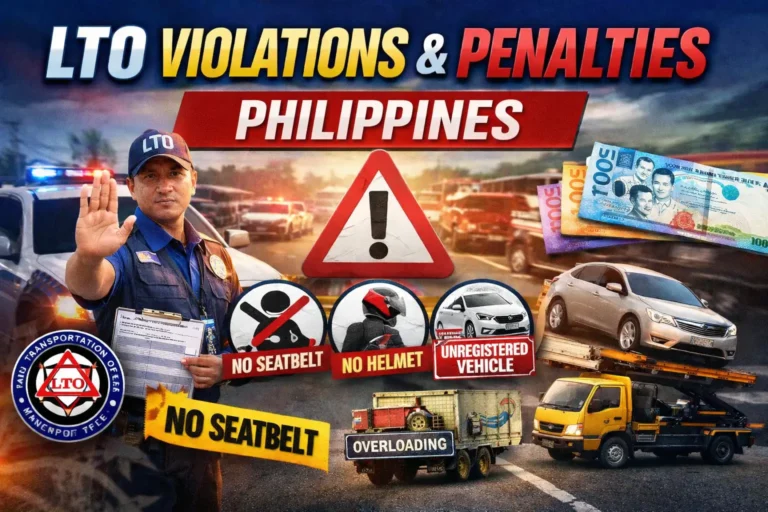
Fines for loading passengers on top or cover of vehicles are designed to discourage this unsafe practice. The typical penalties are:
| MMDA Violation Code | Violation | 1st Offense | 2nd Offense | 3rd Offense |
|---|---|---|---|---|
| 046 | Allowing passengers on top of the vehicle | ₱150 | ₱150 | ₱150 |
Important Note: Although the MMDA imposes a standard fine of ₱150 per offense, serious violations may also result in additional penalties such as:
- License suspension
- Vehicle impoundment
- Reckless driving charges
- Legal action if someone gets injured
In some areas, the fine can range from ₱500 to ₱2,000, depending on the severity and risk involved.
Why Are Fines Important?
The fines are not meant to punish drivers unnecessarily. They exist to:
- Protect lives – A passenger on top of a vehicle is highly vulnerable.
- Prevent accidents – Falling passengers can also cause accidents for other vehicles.
- Promote responsible driving – Drivers are encouraged to follow safety rules.
Paying a fine is a small price compared to the risk of losing a life.
Real-Life Risks of Riding on Top of Vehicles
Passengers riding on roofs or covers face real dangers:
- Falling during sudden braking
- Colliding with tree branches or electrical wires
- Slipping on wet surfaces
- Losing balance during turns
Accidents often happen fast, and injuries can be severe or fatal. Families and communities are encouraged to discourage this practice at all times.
Exceptions: Freight on Trucks
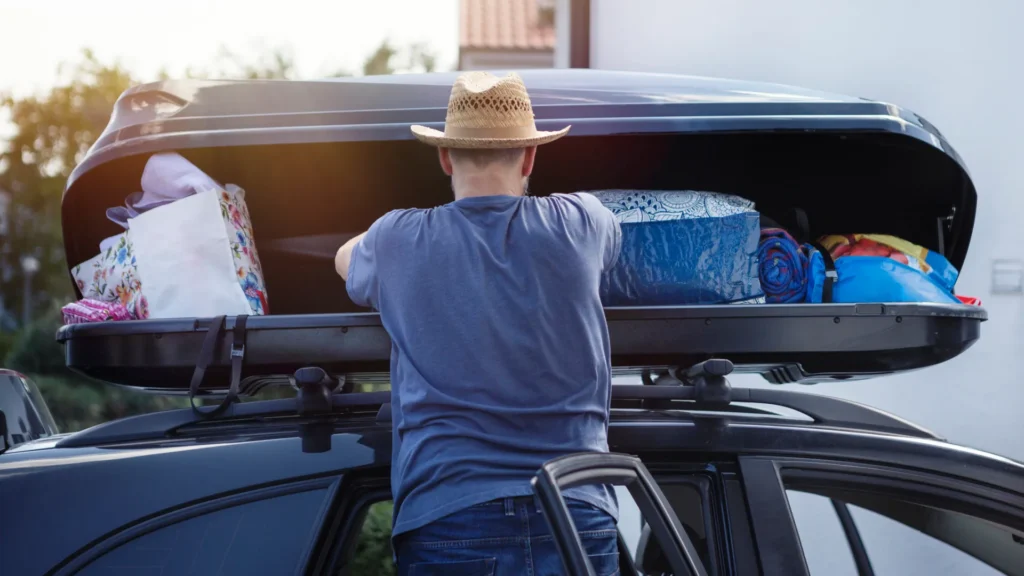
While passengers are strictly prohibited, the law allows for baggage or cargo on top of trucks. However, this comes with conditions:
- Weight must not exceed 20 kilos per square meter.
- Cargo must be secured to avoid affecting the truck’s stability.
- Permits must be obtained from the LTO Director for legal compliance.
This ensures that while freight transport is allowed, it does not compromise passenger safety or road stability.
Enforcement by Authorities
To enforce RA 4136 Section 32b:
- LTO and MMDA Patrols – Officers monitor roads to identify violations.
- Issuing Fines – Violators are penalized with fines as per MMDA regulations.
- Legal Follow-Ups – Repeated or serious violations may involve license suspension or legal action.
- Permit Verification – Cargo permits on trucks are inspected for compliance.
Strict enforcement ensures safer roads for everyone.
Safer Alternatives for Passengers
Authorities encourage safer travel options instead of riding on top:
- Wait for the next vehicle if the current one is full.
- Use vehicles with proper seating capacity.
- Drivers can schedule extra trips during peak hours.
- Community planning – For events or markets, arrange additional transport.
The main principle is simple: No life is worth risking for convenience.
Responsibilities of Drivers
Drivers must take the lead in road safety:
- Never allow passengers on the roof or exterior of the vehicle.
- Follow LTO and MMDA regulations strictly.
- Take only the permitted number of passengers.
- Prioritize life over earnings.
A responsible driver ensures both legal compliance and passenger safety.
Responsibilities of Passengers
Passengers also play a role in preventing accidents:
- Refuse to ride on top or outside the vehicle.
- Wait for a safe and legal seat inside.
- Encourage others to follow safety rules.
- Remember: arriving safely is better than arriving quickly.
By being aware and cautious, passengers can help reduce accidents on the roads.
Public Awareness and Campaigns
Authorities are running awareness campaigns to educate the public:
- Posters, flyers, and announcements on the risks of top-loading.
- Media campaigns emphasizing road safety.
- Community seminars and school programs.
These campaigns aim to change behavior and promote safer commuting practices.
Summary: Key Takeaways
- Riding on top or cover of vehicles is illegal under RA 4136 Section 32b.
- Fines range from ₱150 to ₱2,000, depending on severity.
- Accidents are common and severe for passengers on top.
- Freight transport is allowed with strict conditions.
- Drivers and passengers share responsibility for road safety.
- Safer alternatives are always available.
Following these rules is not about inconvenience it’s about protecting lives.
FAQs About Loading Passengers on Top or Cover of Motor Vehicles
What is considered loading passengers on top or cover of a vehicle?
Ans: Loading passengers on top or cover of a vehicle refers to the unsafe practice of allowing individuals to sit, stand, or travel on the roof, hood, or exterior part of a motor vehicle. This includes buses, trucks, vans, and jeepneys where passengers are exposed to open air without proper restraints. It is illegal because it poses serious risks to life and safety.
Why is riding on top of a vehicle dangerous?
Ans: Riding on top is extremely risky because there are no safety restraints, the surface can be slippery, and passengers are vulnerable to sudden stops, sharp turns, and low-hanging obstacles like tree branches or wires. Even minor bumps can lead to falls, injuries, or fatalities, which is why authorities strictly prohibit it.
Which law prohibits passengers from riding on top of vehicles?
Ans: The Republic Act 4136 Section 32b clearly states that no person operating a motor vehicle shall allow any passenger to ride on the cover or top of a vehicle. This law exists to ensure passenger safety and prevent accidents caused by unsafe practices.
Who enforces the rules for top-loading violations?
Ans: In the Philippines, the Land Transportation Office (LTO) and the Metropolitan Manila Development Authority (MMDA) are responsible for enforcing these rules. Traffic enforcers patrol roads, issue fines, and ensure compliance with regulations to maintain road safety.
How much is the fine for loading passengers on top or cover?
Ans: Fines typically range from ₱150 per offense for MMDA violations, while some serious cases can reach ₱500 to ₱2,000 depending on the situation and risk level. Repeated offenses may also lead to license suspension, vehicle impoundment, or legal action if accidents occur.
Are there exceptions for carrying items on top of vehicles?
Ans: Yes, cargo or baggage is allowed on top of trucks under specific conditions. The weight must not exceed 20 kilos per square meter, it must be properly secured, and permits from the LTO Director may be required. This ensures passenger safety and vehicle stability.

What are the responsibilities of drivers?
Ans: Drivers must never allow passengers to ride on top or outside the vehicle, follow seating capacity limits, comply with traffic laws, and prioritize the safety of passengers over convenience or earnings. Responsible driving is crucial to prevent accidents.
What should passengers do to stay safe?
Ans: Passengers should refuse to ride on top of vehicles, wait for the next available legal seat, and encourage others to follow safety rules. Being cautious and choosing safer travel options helps reduce accidents and ensures personal safety.
Where do top-loading violations commonly occur?
Ans: Top-loading is often seen in crowded areas such as market days, fiestas, or trips to remote barangays where vehicles are full. Although it may seem common, it remains illegal and extremely dangerous, especially in high-speed or urban areas.
Why is public awareness important?
Ans: Public awareness campaigns educate people about the risks of riding on top, the fines involved, and safer commuting alternatives. Community education, media campaigns, and school programs help reduce unsafe practices and promote a culture of road safety.
Conclusion
In the Philippines, loading passengers on top or cover of vehicles is a widespread but dangerous practice. With strict laws, fines, and awareness campaigns, authorities are working to make commuting safer for everyone. Drivers, operators, and passengers must understand the risks and comply with RA 4136 Section 32b. Remember, no fine is worth more than a life.