I-ACT Inter-Agency Council For Traffic 2026: Complete Guide to Traffic Management, History And Road Safety in the Philippines
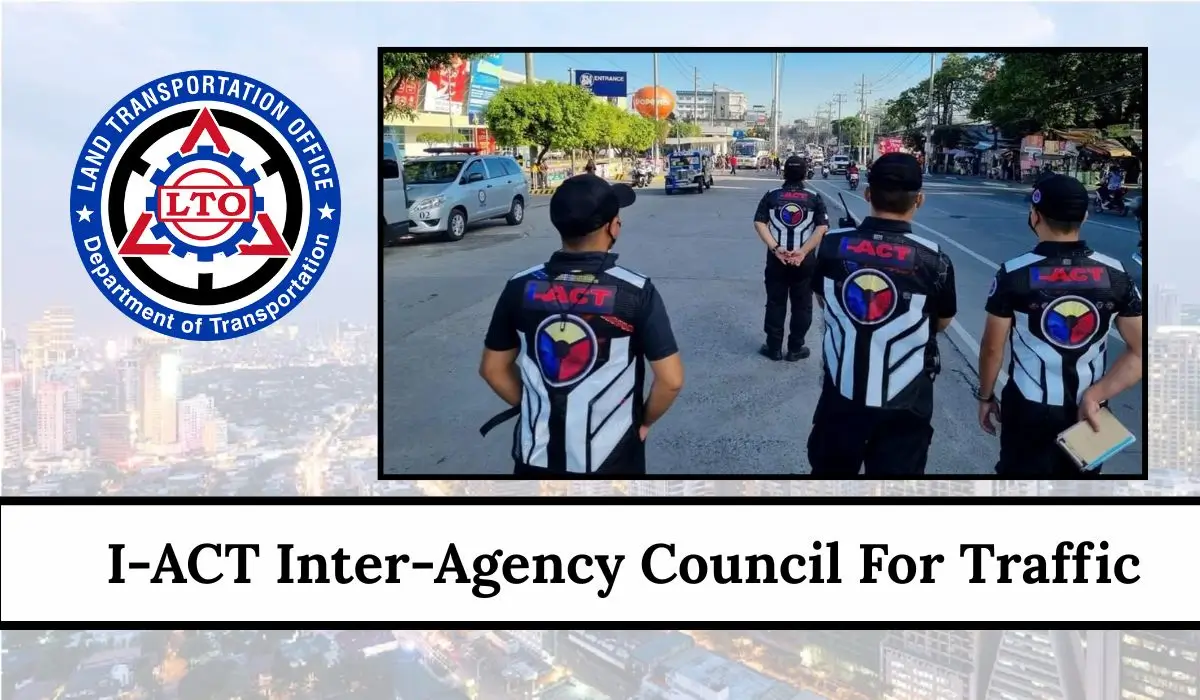
I-ACT Inter-Agency Council For Traffic 2026. Traffic is a daily problem for many people, causing delays, stress, and confusion on the roads. To manage this issue, the government created the Inter-Agency Council for Traffic (I-ACT) in 2016 under the Department of Transportation (DOTr). It brings together agencies like LTO, MMDA, LTFRB, and PNP-HPG to work as one team for better traffic control.
I-ACT’s main goal is to keep roads safe, clear, and organized for drivers, commuters, and pedestrians. It enforces traffic laws, removes illegal vehicles and obstructions, manages traffic during busy times, and educates the public about safe road use.
The task force also runs key programs to reduce congestion and improve road discipline. While challenges like rising vehicles and limited resources remain, I-ACT continues to improve using better coordination and modern technology to create a smoother and safer traffic system for everyone.
In this detailed guide, you will learn everything about I-ACT in simple English. From its purpose to its operations, achievements, challenges and future plans this article covers it all in a clear and easy way.
What Is I-ACT (Inter-Agency Council for Traffic)?
The Inter-Agency Council for Traffic (I-ACT) is a government task force under the Department of Transportation (DOTr). It was created to manage traffic problems and improve road safety.
I-ACT is not just one agency. It is a team of different government departments working together. These include:
- Land Transportation Office (LTO)
- Metropolitan Manila Development Authority (MMDA)
- Philippine National Police – Highway Patrol Group (PNP-HPG)
- Land Transportation Franchising and Regulatory Board (LTFRB)
The main goal of I-ACT is simple: Make roads safe, organized, and smooth for everyone.
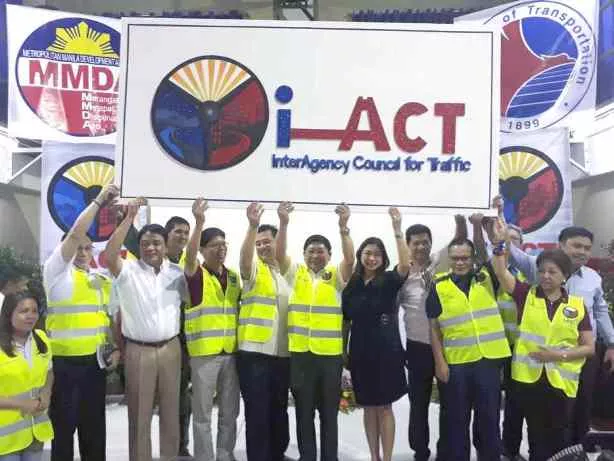
Why I-ACT Was Created
Traffic congestion in Metro Manila and other cities became a serious problem. Roads were crowded, rules were not followed properly, and different agencies worked separately.
To fix this, I-ACT was created in August 2016. It was launched under the leadership of former President Rodrigo Duterte. The purpose was:
- To bring all traffic agencies together
- To create a unified traffic system
- To reduce confusion in rule enforcement
- To improve road safety and travel time
This teamwork approach made traffic management more effective.
History of I-ACT
I-ACT started its operations in 2016 as a multi-agency task force. Important milestones:
- 2016 – I-ACT was officially formed
- 2017 – Relaunched with better funding and more support
- Additional agencies joined like the Philippine Coast Guard (PCG)
- Expanded operations beyond Metro Manila
Today, I-ACT works across different parts of the Philippines to manage traffic and improve transportation systems.
Main Objectives of I-ACT
The Inter-Agency Council for Traffic focuses on several key objectives:
1. Traffic Management
Ensure smooth movement of vehicles on roads.
2. Law Enforcement
Make sure drivers follow traffic rules and regulations.
3. Road Safety
Reduce accidents and protect drivers, passengers, and pedestrians.
4. Public Transport Improvement
Ensure safe and legal public transportation services.
5. Coordination Between Agencies
Bring all agencies together under one system.

Functions and Responsibilities of I-ACT
I-ACT performs many important duties to keep roads organized and safe.
1. Enforcing Traffic Laws
I-ACT ensures that all drivers follow the law. They monitor roads and take action against violators.
2. Clearing Road Obstructions
They remove:
- Illegal parking
- Sidewalk vendors
- Unauthorized structures
This helps reduce traffic congestion.
3. Anti-Colorum Operations
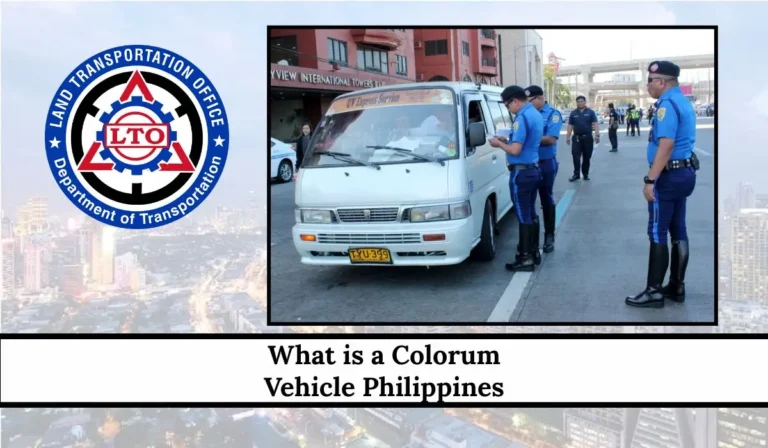
They catch vehicles operating without permits. These vehicles are unsafe and illegal.
4. Traffic Education
I-ACT teaches people about:
- Safe driving
- Road discipline
- Traffic rules
5. Emergency Assistance
They respond to:
- Road accidents
- Traffic incidents
- Public emergencies
The Five Es of Traffic Management
I-ACT follows a smart system called the Five Es of Traffic Management.
1. Enforcement
Making sure traffic rules are followed.
2. Education
Teaching people about road safety.
3. Engineering
Improving roads, signs, and traffic systems.
4. Environment
Keeping roads clear and clean.
5. Economics
Reducing waste of time and fuel caused by traffic.
Key Laws Enforced by I-ACT
I-ACT enforces several important traffic laws in the Philippines:
- Republic Act 4136 – Land Transportation and Traffic Code
- Republic Act 8749 – Clean Air Act
- Republic Act 8750 – Seatbelt Law
- Republic Act 10586 – Anti-Drunk and Drugged Driving Act
- Republic Act 10913 – Anti-Distracted Driving Act
- Republic Act 10054 – Motorcycle Helmet Law
These laws help ensure safety and discipline on the road.
Key Programs and Operations of I-ACT
I-ACT runs several programs to manage traffic effectively.
1. Oplan Alis-Pugad
This program removes illegal terminals and roadside obstructions.
2. Anti-Colorum Operations
Crackdown on illegal public transport vehicles.
3. Smoke Belching Campaign
Removes vehicles that pollute the air.
4. Traffic Management During Events
Manages traffic during holidays and big events.
5. Dedicated Lane Enforcement
Ensures buses and public vehicles stay in proper lanes.
Major Projects and Success Stories
I-ACT has achieved many milestones over the years.
1. Removal of Illegal Vehicles
Thousands of illegal vehicles have been removed from roads.
2. Cleaner Environment
Programs like “Tanggal Bulok, Tanggal Usok” helped reduce pollution.
3. Bike Lane Management
I-ACT helped manage bike lanes to ensure cyclist safety.
4. EDSA Busway System
Improved public transport efficiency and reduced travel time.
5. COVID-19 Support Programs
Helped frontliners through transportation programs like “Libreng Sakay”.
Agencies Working Under I-ACT
I-ACT works through teamwork. Each agency has its own role:
DOTr
Leads and coordinates all programs.
LTO
Handles licenses, registration, and enforcement.
MMDA
Manages traffic flow in Metro Manila.
PNP-HPG
Ensures highway safety and law enforcement.
LTFRB
Regulates public transport franchises.
This collaboration improves efficiency and reduces confusion.
Impact of I-ACT on Traffic System
I-ACT has made a strong impact on the traffic system.
Positive Results:
- Reduced illegal transport operations
- Improved road discipline
- Faster travel time
- Better coordination among agencies
- Increased public awareness
Even small changes have improved daily travel for many people.
Challenges Faced by I-ACT
Despite its success, I-ACT faces several challenges.
1. Lack of Personnel
More traffic enforcers are needed.
2. Increasing Vehicles
More cars on the road mean more congestion.
3. Public Behavior
Some drivers still ignore rules.
4. Limited Resources
More vehicles and equipment are needed for operations.
5. Training Issues
Some personnel need better training for emergencies.
Criticism and Issues
Some people have raised concerns about I-ACT:
- Inconsistent enforcement of rules
- Attitude of some enforcers
- Lack of proper training in emergency response
These issues show that improvements are still needed.
How I-ACT Helps Motorists and Commuters
I-ACT provides many benefits to road users:
- Smooth traffic flow
- Safer roads
- Protection from illegal vehicles
- Quick response to accidents
- Organized transport system
The main goal is not punishment but safety and order.
How to Report Traffic Violations
You can help I-ACT by reporting violations.
Ways to Report:
- I-ACT official Facebook page
- DOTr hotline
- MMDA or LTO offices
Important Details to Include:
- Location
- Time
- Plate number
- Description of the incident
Clear reports help authorities act quickly.
Role of Technology in I-ACT
Technology is improving traffic management.
Digital Systems Used:
- Online violation checking systems
- Traffic monitoring tools
- CCTV cameras
These tools make enforcement faster and more accurate.
Coordination with Local Government Units (LGUs)
I-ACT works closely with local governments. This helps:
- Solve area-specific traffic issues
- Implement local traffic plans
- Improve coordination
Local support makes traffic management more effective.
Future Plans of I-ACT
I-ACT is planning many improvements for the future.
1. Use of AI Technology
Smart systems to monitor traffic automatically.
2. Expansion Nationwide
More coverage beyond Metro Manila.
3. Better Training Programs
Improve skills of personnel.
4. Stronger Law Enforcement
Stricter monitoring of violations.
5. More Partnerships
Working with more government agencies.
Importance of Public Cooperation
Traffic management is not only the government’s job. Everyone must help by:
- Following traffic rules
- Avoiding illegal parking
- Respecting road signs
- Driving responsibly
Discipline from the public is key to success.
Why I-ACT Matters Today
Traffic affects daily life, business, and the economy. I-ACT plays a big role by:
- Reducing travel time
- Improving safety
- Supporting public transport
- Creating organized roads
Without I-ACT, traffic problems would be worse.
FAQs About I-ACT (Inter-Agency Council for Traffic)
What is the main purpose of I-ACT?
Ans: The main purpose of the Inter-Agency Council for Traffic (I-ACT) is to solve traffic problems and improve road safety in the Philippines. It works by bringing different government agencies together so they can manage traffic in a more organized and effective way. Instead of working separately, all agencies follow one system, which helps reduce confusion and makes enforcement stronger. I-ACT focuses on keeping roads clear, ensuring drivers follow rules, and making travel smoother for everyone, including motorists, commuters, and pedestrians.
When was I-ACT established and why?
Ans: I-ACT was established in August 2016 to address the growing traffic congestion problem, especially in Metro Manila. Before its creation, different agencies were handling traffic separately, which caused confusion and weak enforcement. The government decided to create I-ACT to unify all traffic-related operations under one group. The goal was to improve coordination, reduce traffic jams, and make roads safer. Since then, I-ACT has expanded its operations and continues to play a key role in traffic management across the country.
Which agencies are part of I-ACT?
Ans: I-ACT is made up of several important government agencies that work together as one team. These include the Department of Transportation (DOTr), Land Transportation Office (LTO), Metropolitan Manila Development Authority (MMDA), Land Transportation Franchising and Regulatory Board (LTFRB), and the Philippine National Police-Highway Patrol Group (PNP-HPG). Each agency has its own role, such as enforcing laws, managing traffic flow, or regulating public transport. By working together, they create a more organized and efficient traffic system.

What are the main responsibilities of I-ACT?
Ans: I-ACT has many responsibilities focused on improving traffic conditions and road safety. These include enforcing traffic laws, removing illegal parking and road obstructions, catching unregistered or “colorum” vehicles, and managing traffic during busy events or emergencies. They also educate drivers and commuters about safe road behavior. Their work helps reduce accidents, improve discipline, and ensure that roads are safe and accessible for everyone.
What is “Oplan Alis-Pugad” and how does it help?
Ans: “Oplan Alis-Pugad” is one of I-ACT’s major programs aimed at clearing illegal terminals, sidewalk vendors, and other obstructions that block roads. These obstructions often cause heavy traffic and make it difficult for vehicles to move smoothly. By removing them, I-ACT helps create more space on the roads, improves traffic flow, and makes commuting faster and safer. This operation plays an important role in reducing congestion in busy areas.
How does I-ACT handle illegal or colorum vehicles?
Ans: I-ACT conducts strict anti-colorum operations to identify and remove vehicles that are operating without proper permits or registration. These vehicles are dangerous because they are not properly regulated and may not meet safety standards. I-ACT teams monitor roads, stop suspicious vehicles, and take legal action when necessary. This helps protect passengers from unsafe transport and ensures fair competition among legal operators.
What are the benefits of I-ACT for the public?
Ans: I-ACT provides many benefits to the public by improving daily travel conditions. It helps reduce traffic congestion, ensures safer roads, and removes illegal vehicles that can cause accidents. It also improves coordination between agencies, which leads to faster response during emergencies. For commuters, this means shorter travel time, better public transport systems, and a safer environment on the road.
What challenges does I-ACT face?
Ans: Despite its efforts, I-ACT faces several challenges that affect its performance. One major issue is the lack of enough personnel to manage all traffic areas effectively. Another problem is the increasing number of vehicles on the road, which makes congestion harder to control. In addition, some drivers do not follow traffic rules, which creates more complications. Limited resources and the need for better training are also challenges that I-ACT continues to address.
How can people report traffic violations to I-ACT?
Ans: People can report traffic violations to I-ACT through different channels. One common way is through their official Facebook page, where users can send messages and reports. They can also contact the DOTr hotline or visit nearby MMDA or LTO offices. When reporting, it is important to provide clear details such as the location, time, plate number, and description of the incident. This helps authorities respond quickly and take proper action.
What are the future plans of I-ACT?
Ans: I-ACT plans to improve its operations by using modern technology and expanding its reach. One of its main goals is to use AI-based systems and advanced monitoring tools to manage traffic more efficiently. It also plans to extend its services beyond Metro Manila to other parts of the country. In addition, I-ACT aims to improve training for its personnel and strengthen partnerships with other government agencies. These steps will help create a smarter, faster, and more organized traffic system in the future.
Conclusion
The Inter-Agency Council for Traffic (I-ACT) plays a key role in improving traffic flow, safety, and road discipline in the Philippines. By uniting agencies like DOTr, LTO, MMDA, and PNP-HPG, it ensures better coordination and fair enforcement of traffic laws. Through programs like Oplan Alis-Pugad and anti-colorum operations, I-ACT reduces congestion and promotes safer travel. Despite challenges like limited manpower and rising vehicles, it continues to improve using technology and teamwork. With strong public cooperation, I-ACT can achieve its goal of safer, smoother, and more organized roads for everyone. 🚦