What Type Of Helmet Should A Rider Must Use? Complete Safety Guide You Must Read 2026
What Type Of Helmet Should A Rider Must Use? Riding a motorcycle feels exciting and full of freedom. The open road, fresh air, and speed make every ride enjoyable. But this freedom also comes with one important responsibility your safety.
The most important safety gear for any rider is a helmet. It is not just an accessory or rule to follow. It is a life-saving protection that can protect your head, face, and brain during accidents.
Many riders think short rides don’t need a helmet, but accidents can happen anytime, anywhere. That’s why choosing the right helmet is one of the smartest decisions a rider can make.
In this guide, you will learn everything about helmets types, safety standards, how to choose the right one, mistakes to avoid, and more.
Why Wearing a Helmet Is So Important
A helmet is not just plastic on your head. It is your first line of defense during accidents.
Here’s why helmets are extremely important:
- Protects your head from serious injury
- Reduces the risk of brain damage
- Saves life during crashes
- Protects face from dust, stones, and wind
- Improves riding confidence
Even a slow-speed accident can cause serious head injury. A helmet absorbs impact and reduces damage to the skull and brain.
Simply put:
- No helmet = high risk
- Helmet = protection + safety + survival
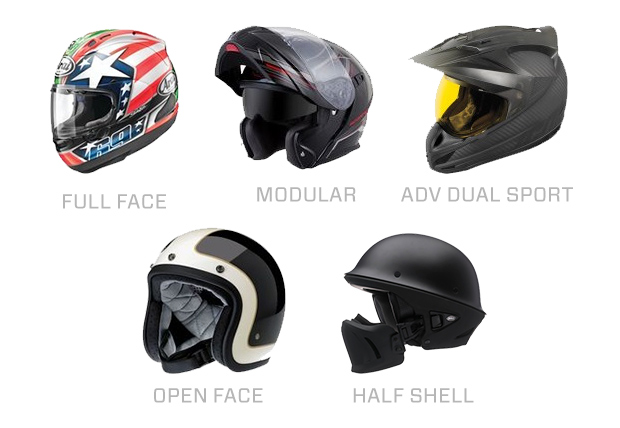
What Type Of Helmet Should A Rider Must Use?
Not all helmets are the same. The best helmet is the one that gives maximum protection, comfort, and proper fit.
A rider should always choose a helmet that is:
- Strong and impact-resistant
- Certified and approved
- Comfortable for long rides
- Properly fitted
- Suitable for riding conditions
The safest and most recommended helmet type is the full-face helmet, because it protects the entire head, including chin and jaw.
Helmet Safety Standards You Must Check
Before buying a helmet, always check safety certification. A helmet without certification is not reliable.
Common safety marks include:
- DOT (Department of Transportation)
- ECE (Economic Commission for Europe)
- Snell Certification
- PS or ICC mark (in some countries like Philippines)
These certifications ensure the helmet has passed crash tests and safety checks.
Why certification matters:
- Ensures real protection during crashes
- Confirms strong material quality
- Proves helmet is legally approved
- Reduces risk of fake helmets
Never buy a helmet without checking these marks.
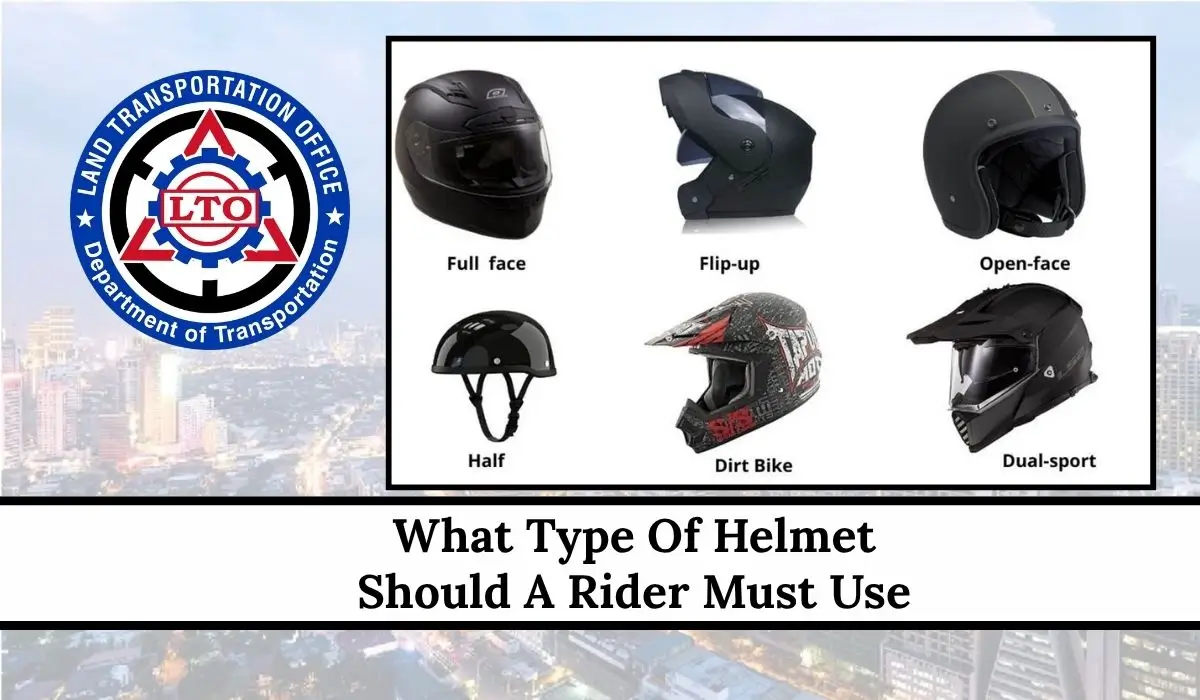
Types of Motorcycle Helmets Every Rider Should Know
There are different types of helmets, and each one has its own purpose.
1. Full-Face Helmet (Best Choice)
This is the safest helmet for riders.

Features:
- Covers full head and chin
- Strong protection
- Built-in visor
- Best for high-speed riding
Why it is best:
- Maximum safety
- Protects face and jaw
- Reduces wind noise
Best for: Highway riding, long trips, daily use
2. Modular Helmet (Flip-Up Helmet)
A mix between full-face and open-face helmet.
Features:
- Front part opens up
- Easy communication
- Good comfort
Benefits:
- Flexible use
- Comfortable for long rides
- Convenient in traffic stops
Best for: City + highway riders
3. Open-Face Helmet (3/4 Helmet)
This helmet covers head but leaves face open.
Features:
- Lightweight
- Good airflow
- Easy to wear
Downside:
- No chin protection
- Less safety in accidents
Best for: Slow city rides
4. Half Helmet
This is the most basic helmet type.
Features:
- Covers top of head only
- Very light
- Easy to carry
Downside:
- Very low protection
- Not safe for highways
Best for: Very short rides only
5. Off-Road Helmet
Designed for dirt bikes and adventure riding.

Features:
- Strong chin protection
- Better ventilation
- Extended visor
Downside:
- Noisy on highways
- Not aerodynamic
Best for: Off-road and adventure riding
Which Helmet Is the Safest?
If safety is your top priority, then:
- Full-face helmet is the safest choice
It gives full protection to:
- Head
- Face
- Chin
- Jaw
Most professional riders and safety experts recommend full-face helmets because they provide the highest level of protection.
How to Choose the Right Helmet
Choosing a helmet is not only about design. You must check several important things.
1. Proper Fit
A helmet should:
- Fit tightly but comfortably
- Not move when shaking head
- Not feel too tight or painful
A loose helmet can come off during an accident.
2. Comfort
Good helmets include:
- Soft inner padding
- Air ventilation system
- Sweat-absorbing material
Comfort matters for long rides.
3. Weight
Light helmets reduce neck pressure and fatigue.
But remember: Too light may mean low safety quality
4. Visibility
A good helmet must have:
- Clear visor
- Anti-fog feature
- Scratch resistance
Clear vision helps prevent accidents.
5. Certification
- Always check safety labels before buying.
- Never compromise on safety for looks or price.
Common Helmet Mistakes Riders Make
Many riders make mistakes that reduce safety.
1. Using Fake Helmets
Cheap helmets may look good but offer no protection.
2. Not Strapping Helmet Properly
Loose strap = helmet can fly off during crash.
3. Using Old Helmets
Old helmets lose strength over time.
4. Riding Without Helmet on Short Trips
Most accidents happen close to home.
5. Using Wrong Helmet Type on Highway
Half helmets are unsafe for high-speed roads.
Helmet Maintenance Tips
Taking care of your helmet is very important.
Clean Regularly
- Use soft cloth
- Mild soap and water
- Clean visor carefully
Store Properly
- Keep away from sunlight
- Avoid heat and moisture
Replace When Needed
- Replace every 3–5 years
- Replace after serious crash
Check Padding
- Replace worn-out inner padding
- Keep helmet fresh and comfortable
Helmet Laws and Safety Rules
Many countries have strict helmet laws.
Riding without a helmet can lead to:
- Heavy fines
- License penalties
- Legal action
Some places also fine riders if the passenger is not wearing a helmet.
Common penalties:
- First offense: low fine
- Repeated offense: higher fines
- Serious violation: license suspension
Helmet laws exist for one reason only: “To save lives”.
Penalties For Not Wearing a Standard Helmet
Not wearing a helmet is not a small mistake. Under the Motorcycle Helmet Act (RA 10054), it is treated as a serious violation. The law applies not only to riders but also to passengers (back-riders) and even motorcycle dealers.
The main purpose of this law is simple — to protect lives on the road.
Who Can Be Penalized?
The law covers three groups:
- Motorcycle riders (drivers)
- Passengers (pillion riders / back-riders)
- Motorcycle dealers
So, even if only one person is without a helmet, it is still considered a violation.
Fines for Riders Without Helmet
If a rider is caught without wearing a standard helmet, the penalties increase with each offense:
- First offense: ₱1,500
- Second offense: ₱3,000
- Third offense: ₱5,000
- Fourth and succeeding offenses: ₱10,000 + possible license confiscation
This means repeated violations become very expensive and can even affect your driving license.
Penalty for Motorcycle Dealers
Motorcycle dealers also have responsibility under the law. If they fail to provide or offer a standard helmet during purchase, they can be fined:
- ₱10,000 to ₱20,000 penalty
This ensures that safety is promoted from the very start when a person buys a motorcycle.
Important Rule for Passengers (Back-Riders)
One very important rule many riders ignore is this:
👉 Both rider and passenger must wear helmets
Even if the driver is wearing a helmet, but the passenger is not, the rider can still be fined.
So always make sure:
- You wear a helmet
- Your passenger also wears a helmet
Safety Beyond Rules
Wearing a helmet is not just about avoiding fines. It is about:
- Protecting your life
- Protecting your family
- Riding responsibly
- Setting a good example
A smart rider always chooses safety over risk.
Real riders understand:
- Speed gives thrill
- Safety gives survival
Why Full-Face Helmet Is the Best Choice
If we compare all helmet types, the full-face helmet is the safest.
Because it:
- Covers full head and face
- Protects chin area
- Reduces wind pressure
- Gives full crash protection
- Works for all riding conditions
That is why professionals and experienced riders prefer it.
Tips For Safe Riding
Along with helmets, follow these safety tips:
- Always wear gloves and jacket
- Check brakes before riding
- Avoid overspeeding
- Stay alert on road
- Use mirrors properly
- Never ride under fatigue
Safety is a complete system, not just a helmet.
FAQs
What type of helmet is best for motorcycle riders?
Ans: The best helmet for motorcycle riders is a full-face helmet because it covers the entire head, face, and chin, giving maximum protection during accidents. It is considered the safest option for all types of riding conditions.

Why is a full-face helmet recommended?
Ans: A full-face helmet is recommended because it provides complete coverage of the head and face. It protects against serious injuries, wind, dust, and debris, making it the safest choice for both city and highway riding.
Can I use an open-face helmet for highway riding?
Ans: An open-face helmet is not recommended for highway riding because it does not protect the chin and face. It is better suited for short city rides where speed is low and risk is less.
How do I know if my helmet is safe and approved?
Ans: You can check helmet safety by looking for certification marks like DOT, ECE, SNELL, or local approval stickers. These marks show that the helmet has passed safety tests and is safe to use.
How tight should a motorcycle helmet be?
Ans: A motorcycle helmet should fit snugly on your head without causing pain. It should not move when you shake your head, but it should also not feel too tight or uncomfortable during long rides.
How often should I replace my helmet?
Ans: It is recommended to replace your helmet every 3 to 5 years, even if it looks fine. You should also replace it immediately after any accident or if it shows cracks or damage.
Is a cheap helmet safe to use?
Ans: Cheap helmets are usually not safe because they may not meet proper safety standards. They might look good, but they often fail to protect your head during serious accidents.
Can I ride without a helmet for short distances?
Ans: No, riding without a helmet is dangerous even for short distances. Most accidents happen close to home, so wearing a helmet every time you ride is very important for safety.
What happens if I don’t wear a helmet?
Ans: Not wearing a helmet can lead to serious head injuries in accidents. In many places, it is also illegal and can result in fines, penalties, or even license issues.
Which helmet is best for beginners?
Ans: For beginners, a full-face helmet is the best option because it offers maximum safety and is suitable for all types of roads. It helps new riders stay protected while building riding confidence.
Conclusion
Choosing the right helmet is very important for every motorcycle rider. A helmet is not just a legal requirement but a life-saving safety tool. The best choice is a certified full-face helmet because it offers maximum protection for the head, face, and chin. Other helmet types can be used depending on riding needs, but safety should always come first. Never ignore helmet quality, fit, or certification. A good helmet protects you from serious injuries and gives confidence on the road. Always wear it properly and ride safely every time you travel.