Can An Expired Child Restraint System Be Used When it Still Looks In Good Shape? Complete Guide For Parents
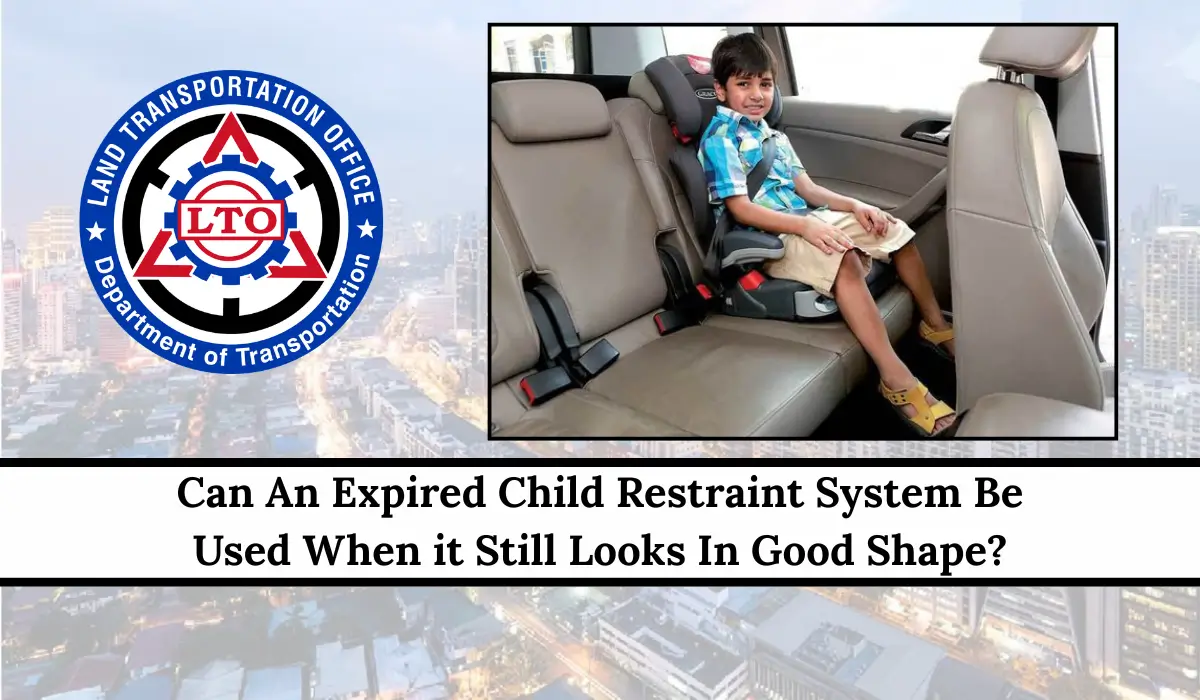
Can An Expired Child Restraint System Be Used When it Still Looks In Good Shape? When parents see a car seat that looks clean and strong, they often think it is still safe. There are no cracks. The straps look tight. The padding feels soft. So the question comes naturally: can an expired child restraint system still be used if it looks in good shape?
The clear answer is no. An expired child restraint system should never be used. Even if it looks perfect from the outside, it may not protect a child properly in a crash.
In this detailed guide, I will explain everything in simple language. You will understand why car seats expire, what happens inside the material over time, what the law says, and what you should do next.
What Is a Child Restraint System?
A child restraint system is a safety seat made to protect babies and children during car travel. It holds the child firmly and reduces injury during sudden stops or accidents.
There are three common types:
- Infant car seats
- Convertible car seats
- Booster seats
Each type is designed for a specific age and weight group. Think of it like a helmet for a motorbike rider. The helmet may look strong from outside, but it is made to absorb impact only for a limited time. After that period, it may not work properly.
Car seats are the same.

What Does “Expired” Mean in a Car Seat?
Every child restraint system has a limited life. Manufacturers print an expiration date on the seat. This date is usually found:
- On the back of the seat
- On the bottom
- On a sticker label
- In the instruction manual
Most car seats expire after 6 to 10 years. The exact number depends on the brand and model.
Once this time passes, the manufacturer does not guarantee full safety performance. It does not matter if the seat was used daily or kept in storage. Time alone affects the materials.
Why Do Child Restraint Systems Expire?
Many parents believe expiration is just a business trick. They think companies want people to buy new seats.
But that is not true. There are real safety reasons behind expiration dates. Let us understand them step by step.
1. Plastic Weakens Over Time
The outer shell of a car seat is made of strong plastic. This plastic is designed to handle crash force. But plastic does not stay strong forever.

Cars get extremely hot in summer. When parked in the sun, the inside temperature rises very high. This heat slowly damages plastic.
Cold weather also affects plastic. It becomes brittle, which means it can crack more easily.
- Sunlight adds another problem. UV rays break down plastic molecules slowly.
- The seat may still look fine. But inside, the strength is reduced.
- In a crash, weakened plastic may crack or break.
2. Straps and Webbing Lose Strength
The straps that hold your child are made of strong woven material. These straps must handle massive force during an accident.
Over time:
- Heat damages fibers
- Moisture weakens threads
- Daily tightening and loosening causes wear
Even if the straps look normal, their internal strength may decrease. In a crash, stretched or weakened straps can allow too much movement.
3. Foam and Padding Break Down
The foam inside the seat absorbs energy during a crash. It works like a cushion.
- After many years, foam compresses and loses flexibility.
- This reduces the seat’s ability to absorb impact energy.
Some studies show that seats older than seven years may have up to 30 percent reduced energy absorption. That reduction can increase injury risk.
4. Safety Standards Change
Road safety rules improve over time. Governments and safety organizations update regulations. New car seats include:
- Better side-impact protection
- Stronger head support
- Improved testing standards
An older seat may not meet current safety rules. Even if it was safe years ago, it may not match today’s protection level.
Can You Trust the Seat Just Because It Looks Good?
No. Visible condition does not equal internal safety.
Imagine a house wall that looks perfect from outside. But inside, the iron rods are rusted. During an earthquake, it may collapse. A car seat is similar. You cannot see internal weakening with your eyes.
That is why manufacturers set clear expiration dates.

What Happens in a Crash With an Expired Seat?
During a crash, forces are very powerful. Even at moderate speeds, impact multiplies force several times.
The car stops suddenly. But the child’s body keeps moving forward. The seat must absorb that energy and hold the child securely.
- If the plastic shell cracks, the seat structure fails.
- If straps stretch too much, the child may move forward excessively.
- If foam cannot absorb energy properly, more force reaches the child’s body.
These failures can lead to:
- Head injuries
- Neck injuries
- Spine injuries
Safety equipment must work perfectly during one critical moment. If it fails, there is no second chance.
Legal and Safety Rules About Expired Car Seats
In many countries, using an expired child restraint system can violate safety regulations. Some countries have specific vehicle child safety laws that prohibit the use of substandard or expired seats.
If an accident happens and the seat was expired:
- Insurance claims may become complicated
- Legal responsibility may increase
- Authorities may issue fines
Even if not strictly illegal in every region, safety experts strongly advise against using expired seats.
How To Check If Your Car Seat Is Expired
Follow these steps carefully.
Step 1: Find the Manufacture Date
Look at the sticker or label on the seat. It usually says “Date of Manufacture.”
Step 2: Check the Expiration Period
The seat may say “Do not use after” followed by a year. If not, check the manual for lifespan information.
Step 3: Count the Years
If the seat was made in 2016 and has an 8-year lifespan, it expires in 2024.
Step 4: Contact Manufacturer If Unsure
If you cannot find information, contact the company’s customer support.

Never guess.
What Should You Do With an Expired Seat?
You should not donate it. You should not sell it online. You should not give it to relatives. Follow these safe steps:
- Cut the straps so it cannot be reused.
- Remove padding if recycling requires it.
- Mark it clearly as expired.
- Dispose of it properly according to local waste rules.
Some stores offer trade-in programs for old car seats.
Financial Concerns and Smart Planning
Many families worry about cost. A good car seat can feel expensive. But think of it as an investment in safety.
Instead of seeing it as a sudden expense, plan ahead. Check expiration dates early. Set aside small savings monthly for future replacement.
Some communities provide assistance programs for families in need. Local health departments sometimes run safety distribution programs.
Safety should always come before savings.
Why Following Manufacturer Guidelines Is Important
Manufacturers test their products under controlled crash conditions. They know how long materials maintain safe strength. When they set an expiration date, it is based on:
- Material testing
- Crash simulation results
- Heat exposure studies
- Durability testing
Ignoring these guidelines means ignoring scientific safety data.
Common Mistakes Parents Make
Let us look at some common misunderstandings.
1: “It Was Never in a Crash”
Even without a crash, time weakens materials. Age alone is enough reason to replace the seat.
2: “It Was Stored Properly”
Storage slows damage but does not stop material aging completely.
3: “I Will Use It for a Short Trip Only”
Accidents can happen close to home. Distance does not reduce risk.
4: “It Looks New”
Internal damage cannot be seen easily.
FAQs
Can I use an expired child restraint system for a short distance only?
Ans: No, you should not use an expired child restraint system even for a short trip. Many road accidents happen close to home. Crash force does not reduce because the distance is short. If the seat fails during an accident, the result can be serious. Safety should never depend on how far you are traveling.
What if the car seat was never used?
Ans: Even if the seat was never used, it still expires. Time alone weakens plastic, straps, and foam. Heat, cold, and normal aging slowly reduce the strength of materials. A seat kept in storage continues to age. That is why manufacturers clearly mention expiration dates, regardless of usage.
How many years does a child restraint system usually last?
Ans: Most child restraint systems last between six to ten years. The exact lifespan depends on the brand and model. Some infant seats expire sooner, while some booster seats last longer. You should always check the label on your specific seat and follow the manufacturer’s guidelines instead of guessing.
Where can I find the expiration date on my car seat?
Ans: The expiration date is usually printed on a sticker located on the bottom or back of the seat. Sometimes it is written inside the instruction manual. Some seats mention a clear year, while others show the manufacture date and lifespan period. If you cannot find the information, you should contact the manufacturer for confirmation.
Is it illegal to use an expired child restraint system?
Ans: In many regions, using an expired car seat can go against child passenger safety laws. Even where it is not clearly illegal, it is strongly discouraged by safety authorities. In case of an accident, using an expired seat may also create problems with insurance claims or legal responsibility.

Can I donate or sell my expired car seat?
Ans: You should never donate or sell an expired child restraint system. Giving it to someone else puts another child at risk. The responsible action is to disable the seat by cutting the straps and disposing of it properly so it cannot be reused by mistake.
Why do car seats expire even if they look new?
Ans: Car seats expire because materials weaken over time, even if no visible damage appears. Plastic can become brittle, straps can lose strength, and foam can lose its ability to absorb crash energy. The seat may look clean and strong, but its internal safety performance may already be reduced.
What happens if I use an expired car seat in a crash?
Ans: If an expired seat is involved in a crash, it may not protect the child properly. The shell could crack, the straps could stretch too much, or the foam may not absorb impact as it should. This increases the risk of injury. A car seat must perform perfectly during a crash, and expired seats cannot guarantee that level of safety.
Are newer car seats safer than older ones?
Ans: Newer car seats are generally safer because safety standards improve over time. Manufacturers update designs to meet stricter crash testing requirements and add better protection features. Using a newer model ensures that your child benefits from the latest safety improvements.
What should I do if I cannot afford a new seat right now?
Ans: If buying a new seat feels difficult financially, look for trade-in programs, community safety programs, or government assistance options. Some stores offer discounts when you exchange an old seat. Child safety should always be a priority, and support options are often available for families who need help.
Conclusion
An expired child restraint system should never be used, even if it looks in good condition. Time weakens plastic, straps, and foam, reducing crash protection. You may not see the damage, but it exists inside the materials. Safety standards also improve over the years, and older seats may not meet current requirements. Your child’s protection should never depend on appearance alone. Always check the expiration date, follow manufacturer guidelines, and replace the seat on time. When it comes to safety, there should be no compromise at all.