Can A Driver Use A Photocopy Of Driver’s License In The Philippines?
Can A Driver Use A Photocopy Of Driver’s License In The Philippines? One of the most common questions asked by motorists in the Philippines is: Can a driver use a photocopy of driver’s license while driving? At first, it may sound like a simple query, but in reality, the answer carries legal weight and serious implications. In fact, many drivers wonder whether presenting a photocopy, laminated duplicate, or even a saved image of their license on a mobile phone can substitute for the original card issued by the Land Transportation Office (LTO).
This article provides a comprehensive guide on this topic. We will cover the importance of a valid driver’s license, the rules on photocopies, the role of LTO Digital ID (eDL), the issuance of paper-based temporary licenses, and the process of driver’s license replacement in case of loss or damage.
Why is the Driver’s License So Important?
A driver’s license is more than just a plastic card. It is an official document issued by the Land Transportation Office (LTO) that serves as proof of your legal authority to operate a motor vehicle or motorcycle on Philippine roads. Without it, you cannot drive legally.
The license is comparable to a passport it carries personal information, security features, and validity terms. Depending on the type of license, the LTO issues cards with 3-year, 5-year, or even 10-year validity periods.
For clarity, here’s a table showing the types of validity periods:
| License Type | Validity Period | Notes |
|---|---|---|
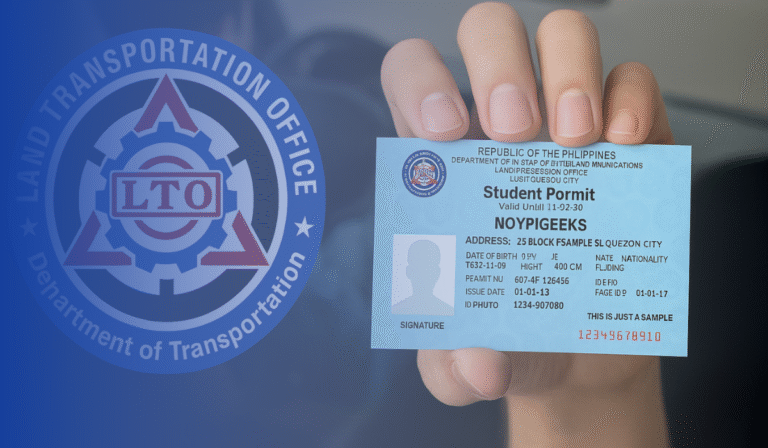
| Student Permit | 1 year | For practice driving only |
| Non-Professional License | 3–10 years | For private vehicles |
| Professional License | 3–10 years | For commercial/public vehicles |
As seen above, the license is a crucial requirement for every motorist. But does this mean a photocopy or digital substitute can replace it? Let’s explore.
Can a Driver Use a Photocopy of Driver’s License?
The short and direct answer is No. A driver cannot legally use a photocopy of their license in place of the original card.
The Philippine traffic laws explicitly require all motorists to carry their physical driver’s license whenever they are operating a vehicle. A photocopy—whether plain or laminated—does not hold the same legal weight and is not recognized by the LTO or law enforcement officers.
Why a Photocopy is Not Acceptable
There are several reasons why a photocopy cannot serve as a valid substitute:
- Lack of Security Features – Original licenses contain holograms, barcodes, and other security features that prevent forgery. Photocopies lack these protections.
- Legal Requirement – Traffic regulations specifically require the physical, original license card to be presented upon request.
- Identification Verification – A photocopy does not allow enforcers to verify the authenticity of the card or match the holder’s photo accurately.
- Potential Violation – Presenting a photocopy can even result in an additional penalty since it is considered non-compliance with LTO rules.
What About Laminated Photocopies?
Some drivers believe that laminating a photocopy of their license adds legitimacy. Unfortunately, this is a misconception. A laminated photocopy of a driver’s license is still only a duplicate of the original. It holds no legal authority and is treated the same way as a plain photocopy.
If you present a laminated copy during a traffic stop, you may be cited for an additional violation. The rule is simple: only the original LTO-issued card or approved alternatives are valid.
Can a Driver Use a Saved Image of Driver’s License?
In today’s digital world, many drivers keep photos of their IDs on their smartphones. While this is convenient, a saved image of a driver’s license is not a valid substitute for the physical card.
A saved photo is essentially just like a photocopy it lacks security features and cannot be authenticated by traffic officers. If an officer requests your license, you are legally required to present the original card.
The Rise of the LTO Digital ID (eDL)
One major development in the Philippines is the introduction of the LTO Digital ID, also known as the electronic driver’s license (eDL).

This was rolled out to address the shortage of plastic license cards and to modernize the licensing system. Unlike a saved image of your license, the eDL is an official digital version that can be accessed through the Land Transport Management System (LTMS) portal using your smartphone.
Features of the LTO Digital ID
- Officially recognized by the LTO and MMDA enforcers
- Accessible anytime via LTMS portal
- Serves as a valid alternative to the physical card
- Comes with strict security guidelines
Important Note
While the LTO Digital ID is valid, a screenshot or saved image of the eDL is not acceptable. You must access it directly through the LTMS portal with internet connectivity so the enforcers can verify it.
Paper-Based Temporary Driver’s License
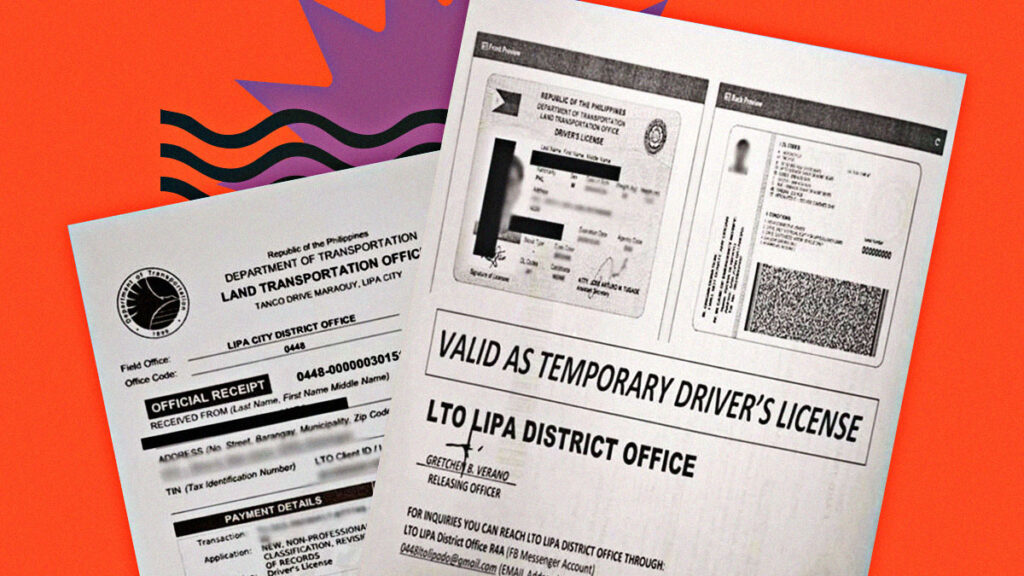
Due to the ongoing shortage of plastic cards, the LTO has also introduced a paper-based temporary driver’s license.
This version comes in the form of an official receipt printed on paper, featuring a unique QR code that can be scanned by enforcers to verify authenticity.
| License Type | Medium | Acceptability |
|---|---|---|
| Plastic Card | Physical card | Fully valid |
| Digital ID (eDL) | Online LTMS portal | Valid |
| Paper-Based License | Paper receipt w/ QR code | Valid temporarily |
| Photocopy | Plain/laminated | Not valid |
| Saved Image | Mobile photo | Not valid |
This table clearly shows which types of licenses are acceptable on the road and which ones are not.
Driver’s License Replacement
If you have lost your original license, don’t rely on photocopies. Instead, apply for a driver’s license replacement at your nearest LTO branch.
Steps for Driver’s License Replacement:
- Prepare Documents: Bring an affidavit of loss, one valid government ID, and other supporting documents.
- Visit LTO Office: Go to the LTO branch where you originally applied or any authorized center.
- Pay Fees: Replacement fees usually range from ₱225 to ₱300 depending on the case.
- Biometrics Capture: Your biometrics will be recaptured to update the LTO database.
- Claim Your New License: The LTO will issue either a physical card, paper-based license, or digital ID depending on availability.
By following this official process, you avoid legal issues that may arise from presenting photocopies or saved images.
What to Do If You Forget Your License
Forgetting your license at home can happen to anyone. Here’s what you should do:
- Do not present photocopies. They are not valid.
- Check if you have an active LTO Digital ID through the LTMS portal. If yes, use it.
- If stopped by enforcers, be honest about forgetting your license. You may be cited, but lying or presenting an invalid copy could result in harsher penalties.
- Apply for driver’s license replacement if you lost the original card permanently.
Why the Rules Are Strict
Some may ask why the LTO is so strict about photocopies. The reason is simple: road safety and security.
Original licenses contain multiple anti-fraud features that prevent tampering. By requiring only official cards, digital IDs, or QR-verified paper permits, the LTO ensures that only legitimate drivers operate vehicles.
FAQs
1. Can a driver use a photocopy of driver’s license in the Philippines?
Ans: No. A photocopy, whether plain or laminated, is not considered valid. Only the original card, the LTO Digital ID, or the official paper-based license is acceptable.
2. Is a laminated photocopy acceptable in case of lost license?
Ans: No. Laminated photocopies hold no legal authority and cannot be used even if you lose your original license. Instead, apply for a driver’s license replacement at the LTO.
3. Can I show a saved image of my driver’s license to traffic enforcers?
Ans: No. A saved image is just like a photocopy. It cannot be authenticated and is not legally recognized.
4. What is the LTO Digital ID (eDL)?
Ans: The LTO Digital ID is an official electronic version of your driver’s license accessible through the LTMS portal. It is recognized by LTO and MMDA enforcers as a valid alternative to the physical card.
5. Is the paper-based driver’s license valid on the road?
Ans: Yes. The paper-based temporary driver’s license with a QR code is valid and can be presented to enforcers until you receive your plastic card.
Conclusion
So, can a driver use a photocopy of driver’s license in the Philippines? The clear and final answer is No. Photocopies whether plain, laminated, or digital images are not legally valid substitutes for the original LTO issued card.