LTO Exam Guide 2026: Complete Guide To Pass the LTO Exam
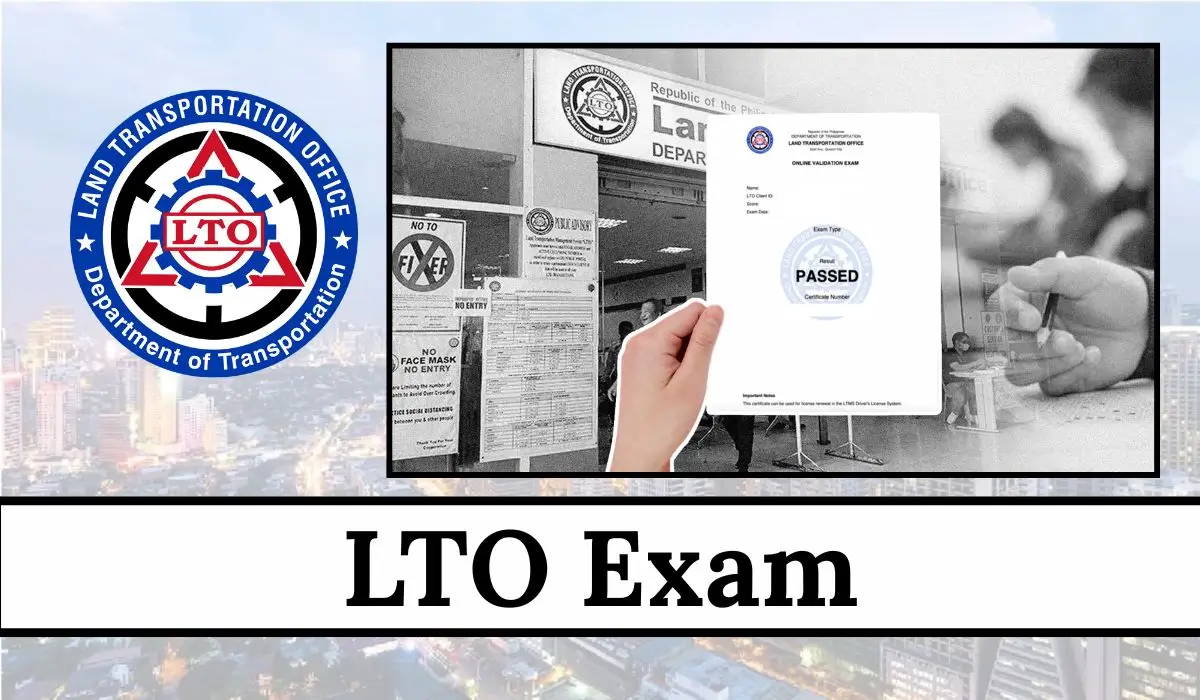
LTO Exam Guide 2026. Getting a driver’s license is one of the most important milestones in life. It gives you the freedom to travel independently, commute conveniently, and even access more job opportunities. However, before you can legally drive on Philippine roads, you must first pass the LTO exam.
Many first-time applicants feel nervous about the examination process. Some worry about the written test, while others are concerned about the practical driving assessment. The good news is that passing the exam becomes much easier when you understand the process and prepare properly.
This complete LTO Exam Guide will help you understand everything about the examination process, including requirements, exam topics, passing scores, study techniques, practical driving tips, common mistakes to avoid and what to expect on exam day.
What Is the LTO Exam?
The LTO Exam is the official driver’s license examination conducted by the Land Transportation Office (LTO) in the Philippines.
The purpose of this exam is to determine whether an applicant has enough knowledge and skills to drive safely and responsibly on public roads. The examination consists of two major parts:
1. Written Examination
The written examination evaluates your knowledge of:
- Traffic laws
- Road signs
- Driving rules
- Safety procedures
- Emergency situations
2. Practical Driving Test
The practical test assesses your actual driving skills, including:
- Steering control
- Parking
- Braking
- Turning
- Following road signs
- Safe driving behavior
Applicants must pass both tests before obtaining a driver’s license.
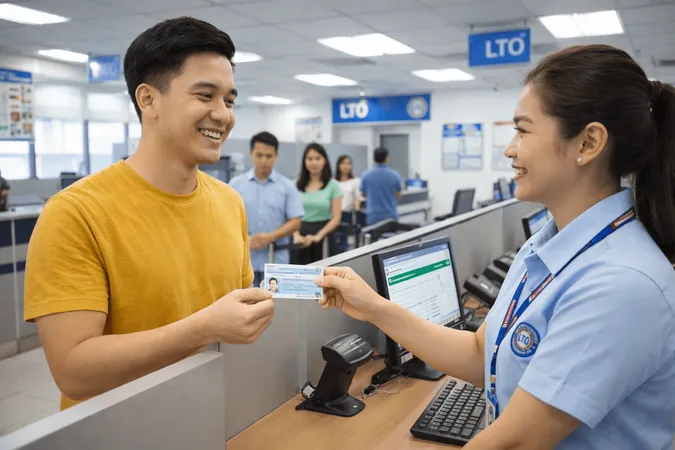
Why the LTO Exam Is Important
The LTO examination is not simply a requirement for obtaining a license. It plays a significant role in ensuring road safety. The exam helps:
- Reduce road accidents
- Promote responsible driving
- Improve road discipline
- Educate new drivers
- Increase awareness of traffic laws
- Protect drivers, passengers, and pedestrians
A driver who understands road rules is more likely to avoid accidents and make safer decisions while driving.
Requirements Before Taking the LTO Exam
Before visiting an LTO office, prepare all necessary documents.
| Requirement | Purpose |
|---|---|
| LTO Application Form (ADL Form) | Official application |
| Valid Government ID | Identity verification |
| Medical Certificate | Fitness to drive |
| Student Permit | Required for first-time applicants |
| Exam Fees | Examination processing |
Always double-check your documents before leaving home. Missing requirements can delay your application process.
Types of Driver’s Licenses
The number of questions and requirements vary depending on the type of license you are applying for.
| License Type | Questions | Passing Score | Passing Percentage |
|---|---|---|---|
| Student Permit | 25 | 20 Correct | 80% |
| Non-Professional License | 40 | 30 Correct | 75% |
| Professional License | 60 | 45 Correct | 75% |
Understanding your license category helps you prepare better.
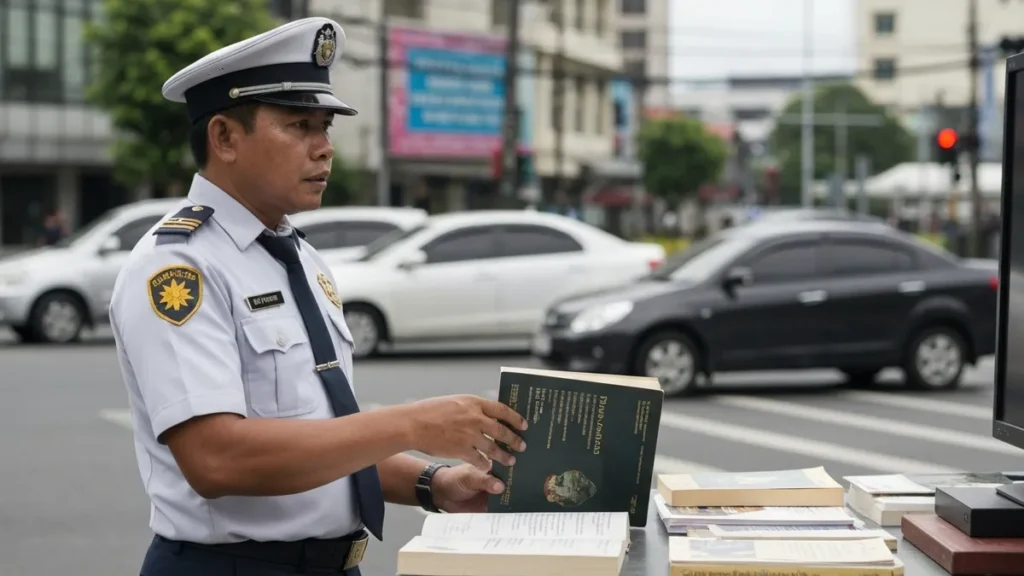
LTO Exam Structure
The examination consists of two separate sections.
Part 1: Written Examination
The written test is computer-based and consists of multiple-choice questions. The exam evaluates your knowledge of:
- Road signs
- Traffic regulations
- Driver responsibilities
- Safety practices
Part 2: Practical Driving Examination
This section evaluates your actual driving ability. Examiners observe:
- Vehicle control
- Parking skills
- Road awareness
- Compliance with traffic rules
- Safe driving habits
Both parts are equally important.
Written Examination Overview
The written examination is designed to test your understanding of safe driving practices.
Areas Evaluated
- Traffic signs
- Road markings
- Driving ethics
- Traffic laws
- Vehicle maintenance
- Emergency response
To pass, applicants must achieve the required passing percentage.
Practical Driving Test Overview
The practical driving examination assesses how well you apply your knowledge in real driving situations.
Main Skills Tested
- Starting and stopping smoothly
- Proper turning techniques
- Parking procedures
- Following traffic signs
- Maintaining lane discipline
- Mirror usage
- Signal usage
The examiner carefully observes your performance throughout the test.
LTO Written Exam Topics
Studying the right topics is essential for success.
1. General Driving Knowledge
This section includes:
- Defensive driving
- Safe driving habits
- Driver responsibilities
- Road awareness
Defensive driving helps prevent accidents by anticipating potential hazards.
2. Traffic Signs and Road Markings
Traffic signs are among the most important exam topics. You must understand:
- Sign meanings
- Road markings
- Traffic signal instructions
- Safety warnings
These signs help maintain order and safety on roads.
3. Traffic Rules and Regulations
Important topics include:
- Speed limits
- Overtaking rules
- Right-of-way rules
- Lane discipline
- Parking regulations
Knowing these rules helps drivers avoid penalties and accidents.
4. Common Traffic Violations
Applicants should understand common violations such as:
- Reckless driving
- Running red lights
- Illegal parking
- Speeding
- Driving without a valid license
Understanding penalties can help drivers avoid costly mistakes.
5. Vehicle Maintenance
Basic vehicle maintenance knowledge is also important. Examples include:
- Tire inspection
- Brake checks
- Headlight maintenance
- Fluid level checks
Proper vehicle maintenance improves safety and performance.
6. First Aid and Emergency Response
Drivers should know how to respond during emergencies. Topics include:
- Accident response
- Basic first aid
- Emergency contact procedures
- Vehicle breakdown management
Quick and correct responses can save lives.
Traffic Signs
Traffic signs appear frequently on the LTO examination. Understanding them is essential.
Regulatory Signs (Red)
These signs represent mandatory rules. Examples:
- Stop
- No Entry
- Speed Limits
- No Parking
Ignoring these signs can result in penalties.
Warning Signs (Yellow)
These signs alert drivers about potential hazards. Examples:
- Sharp Curve Ahead
- School Zone
- Pedestrian Crossing
- Slippery Road
Drivers should exercise caution when seeing these signs.
Informational Signs (Blue or Green)
These signs provide useful information. Examples:
- Hospital
- Parking Area
- Gas Station
- Direction Signs
They help drivers navigate efficiently.
Traffic Light Rules
Traffic lights are a critical part of road safety.
Green Light
Proceed when safe. Always check:
- Pedestrians
- Cyclists
- Other vehicles
before moving.
Yellow Light
Prepare to stop.
Avoid accelerating just to beat the signal.
Red Light
Stop completely.
Remain stopped until the signal changes. Running a red light is dangerous and illegal.
Flashing Yellow Light
Slow down and proceed carefully.
Flashing Red Light
Treat it like a stop sign.
Come to a complete stop before proceeding.
Right-of-Way Rules
One commonly tested topic is right-of-way.
Basic Rule
At uncontrolled intersections: “The vehicle on the right has the right-of-way”. Other situations include:
- Pedestrians crossing legally
- Emergency vehicles
- Vehicles already inside intersections
Understanding right-of-way reduces collisions.
Important Traffic Laws You Should Know
Several Philippine traffic laws frequently appear on the exam.
Republic Act 4136
The main transportation and traffic code.
Seat Belt Law (RA 8750)
Requires drivers and passengers to wear seat belts.
Anti-Drunk and Drugged Driving Act (RA 10586)
Prohibits driving under the influence of alcohol or drugs. Violations can result in severe penalties.
Vehicle Maintenance Basics
Drivers should know basic maintenance procedures.
Regular Checks
- Tire pressure
- Brake condition
- Engine oil
- Coolant level
- Signal lights
- Headlights
A well-maintained vehicle is safer to drive.
Emergency Driving Situations
Emergency questions are common in the written examination.
Brake Failure
If brakes fail:
- Pump the brake pedal.
- Shift to a lower gear.
- Use the emergency brake carefully.
- Move to a safe area.
Skidding
If your vehicle skids:
- Stay calm.
- Avoid sudden braking.
- Steer gently in the direction of the skid.
Heavy Rain
During heavy rain:
- Reduce speed.
- Increase following distance.
- Turn on headlights.
How to Prepare for the Written Exam
Preparation significantly improves your chances of passing.
Use Updated Reviewers
Always study updated materials. Outdated reviewers may contain inaccurate information.
Study Daily
Short daily study sessions are more effective than cramming. Recommended:
- 30 to 60 minutes daily
- Consistent schedule
- Regular review sessions
Take Mock Exams
Practice tests help you:
- Understand question formats
- Improve speed
- Identify weak areas
The more practice tests you take, the better prepared you become.
Understand the Concepts
Avoid memorizing answers. Focus on understanding:
- Why rules exist
- How laws improve safety
- Proper driving behavior
Understanding improves long-term retention.
How to Prepare for the Practical Driving Test
Practical preparation is just as important.
Practice Regularly
Practice:
- Parking
- Reversing
- Turning
- Lane changes
- Hill starts
Frequent practice builds confidence.
Learn Vehicle Controls
Understand:
- Steering wheel
- Mirrors
- Brakes
- Accelerator
- Signals
- Clutch (manual transmission)
Familiarity reduces mistakes during testing.
Practice Parking
Parking is one of the most challenging sections. Practice:
- Parallel parking
- Reverse parking
- Angle parking
until you feel comfortable.
Stay Calm
Many applicants fail because of nervousness rather than lack of skill. Stay focused and relaxed.
Practical Test Evaluation Areas
Pre-Driving Inspection (10 Points)
Before driving:
- Fasten seatbelt
- Adjust mirrors
- Check gear position
- Release handbrake
Driving Skills (50 Points)
Evaluators assess:
- Steering
- Braking
- Acceleration
- Turning
- Parking
Traffic Rule Compliance (40 Points)
This includes:
- Following signs
- Proper lane use
- Signal usage
- Right-of-way compliance
Automatic Failure Conditions
Certain actions can result in immediate failure. Examples include:
- Hitting another vehicle
- Hitting a pedestrian
- Colliding with fixed objects
- Ignoring examiner instructions
- Creating dangerous situations
Always prioritize safety.
Common Mistakes to Avoid
Many applicants fail due to simple errors.
During the Written Exam
- Rushing through questions
- Not reading carefully
- Ignoring road sign questions
- Guessing without analysis
During the Driving Test
- Forgetting seatbelts
- Missing mirror checks
- Not using signals
- Rolling through stop signs
- Poor parking
- Panic and nervousness
Avoiding these mistakes can significantly improve your chances.
What Happens on Exam Day?
Knowing the process reduces anxiety.
Step 1: Document Verification
Your documents are checked.
Step 2: Written Examination
You take the computer-based written test.
Step 3: Result Processing
Results are usually available shortly after completion.
Step 4: Practical Driving Test
If you pass the written exam, proceed to the driving test.
Step 5: Final Evaluation
Examiners review your performance.
LTO Online Exam Process
The LTO now supports online services through the LTMS Portal.
Registration Process
- Visit the “LTMS Portal”.
- Create an account.
- Verify your email.
- Log in.
- Select your examination type.
- Schedule your appointment.
- Pay required fees.
Online services make the process more convenient.
Exam Fees and Costs
The following costs may apply.
| Service | Estimated Cost |
|---|---|
| Student Permit | ₱400 – ₱600 |
| Non-Professional License | ₱800 – ₱1,050 |
| Professional License | ₱820 – ₱1,050 |
| LTO Vehicle Use | ₱250 |
| TDC Enrollment | ₱1,500 – ₱3,000 |
| PDC Enrollment | ₱2,000 – ₱5,000 |
Costs may vary depending on location.
Language Options
Applicants may choose between:
- English
- Filipino (Tagalog)
Choose the language you understand best. This reduces confusion and improves performance.
What Happens If You Fail?
Failing does not mean the end of your journey.
| Attempt | Waiting Period |
|---|---|
| First Failure | Next working day or after one month |
| Second Failure | One Year |
| Third Failure | Two Years |
Use additional study and practice time to improve before retaking the exam.
Useful Resources for LTO Exam Preparation
Helpful resources include:
Official Resources
- LTMS Portal
- LTO Official Website
- LTO E-Learning Modules
Practice Test Platforms
- PinoyDriver
- LTO Reviewer Websites
- Mock Examination Platforms
Mobile Applications
- LTO Exam Reviewer
- LTO Master
- Driving Reviewer Apps
Practice regularly using multiple resources.
Exam Day Checklist
Before leaving home, make sure you have:
- Student Permit
- Medical Certificate
- Government ID
- TDC Certificate
- PDC Certificate
- Exam Fees
- Vehicle (if applicable)
- Licensed Companion Driver
Additional Tips for Success
Study Smart
- Use multiple resources
- Review regularly
- Take practice exams
- Focus on weak areas
Practice Consistently
- Drive often
- Practice parking
- Improve maneuvering skills
- Build confidence
Stay Positive
Confidence plays a major role in exam success. Remember:
- Preparation creates confidence.
- Practice improves performance.
- Mistakes are learning opportunities.
FAQs
How many questions are on the LTO exam?
Ans: The number of questions on the LTO exam depends on the type of driver’s license you are applying for. Applicants for a Student Permit usually answer 25 questions, while those applying for a Non-Professional Driver’s License answer 40 questions. Professional Driver’s License applicants are required to complete 60 questions. Each category has its own passing score requirement, so it is important to prepare according to your license type.
What is the passing score for the LTO written exam?
Ans: To pass the LTO written examination, most applicants must achieve a score of at least 75 percent. For example, Non-Professional License applicants need to answer at least 30 out of 40 questions correctly, while Professional License applicants must get at least 45 correct answers out of 60 questions. Meeting the required passing score allows applicants to proceed to the next stage of the licensing process.
Can I take the LTO exam in English?
Ans: Yes, the LTO written examination is available in both English and Filipino (Tagalog). Applicants can choose the language they are most comfortable with before taking the test. Selecting a familiar language can help improve understanding of the questions and reduce confusion during the examination.
How long does the LTO exam take?
Ans: The written portion of the LTO exam typically takes around 30 to 45 minutes to complete, depending on the number of questions and the applicant’s pace. The practical driving test usually lasts between 15 minutes and one hour. In most cases, applicants receive their results shortly after completing the examinations.
What happens if I fail the LTO exam?
Ans: Failing the LTO exam does not mean you cannot get a driver’s license. Applicants are allowed to retake the examination after the waiting period set by the Land Transportation Office. If you fail, it is recommended to review your mistakes, study more thoroughly, and spend additional time practicing your driving skills before attempting the test again.
Is the practical driving test difficult?
Ans: The practical driving test is not difficult if you have enough driving experience and preparation. The examiner mainly checks whether you can operate a vehicle safely, follow traffic rules, use signals correctly, and perform basic maneuvers such as parking, turning, and braking. Regular practice before the exam can significantly increase your chances of passing.
What documents should I bring on exam day?
Ans: Applicants should bring all required documents on the day of the examination. These usually include a valid Student Permit, medical certificate, government-issued identification card, Theoretical Driving Course (TDC) certificate, Practical Driving Course (PDC) certificate, and any required fees. Bringing complete documents helps avoid delays and ensures a smoother application process.
Can I use my own vehicle during the practical driving test?
Ans: Yes, many applicants choose to use their own vehicle during the practical driving test because they are already familiar with its controls and handling. However, if you do not have a vehicle available, some LTO branches provide test vehicles for an additional fee. Using a familiar vehicle can help reduce nervousness and improve performance during the examination.
How can I prepare effectively for the LTO written exam?
Ans: The best way to prepare for the LTO written examination is to study updated reviewer materials, learn road signs and traffic laws, take online mock tests, and review official LTO learning resources. Consistent study sessions combined with practice exams can help improve confidence and increase the likelihood of passing on the first attempt.
Why is passing the LTO exam important?
Ans: Passing the LTO exam is important because it proves that an applicant has the necessary knowledge and driving skills to operate a vehicle safely on public roads. The examination helps promote responsible driving behavior, reduce traffic accidents, and ensure that all licensed drivers understand Philippine traffic laws and road safety regulations.
Conclusion
Passing the LTO exam is an important step toward becoming a licensed driver in the Philippines. While the process may seem challenging at first, proper preparation can make a huge difference.
Focus on understanding traffic laws, road signs, safety procedures, and responsible driving habits. Study consistently, take mock exams, and practice your driving skills regularly. Most importantly, stay calm and confident on exam day.