Toll Regulatory Board Philippines 2026: Complete Guide To TRB And Toll Rates
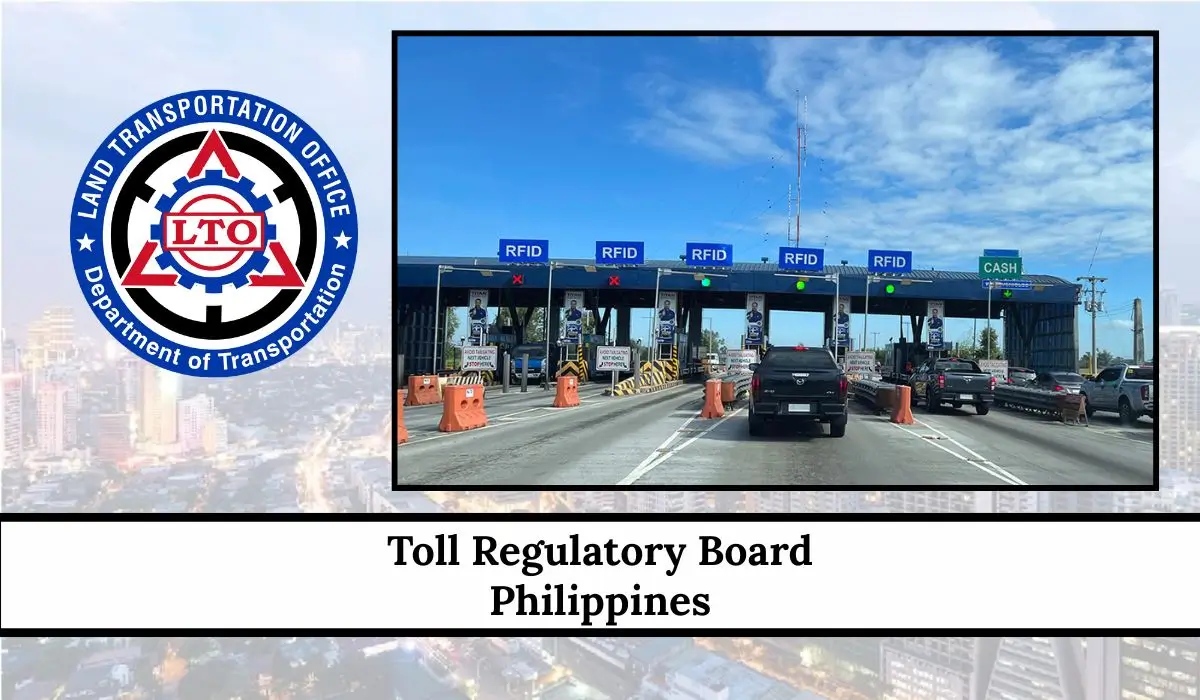
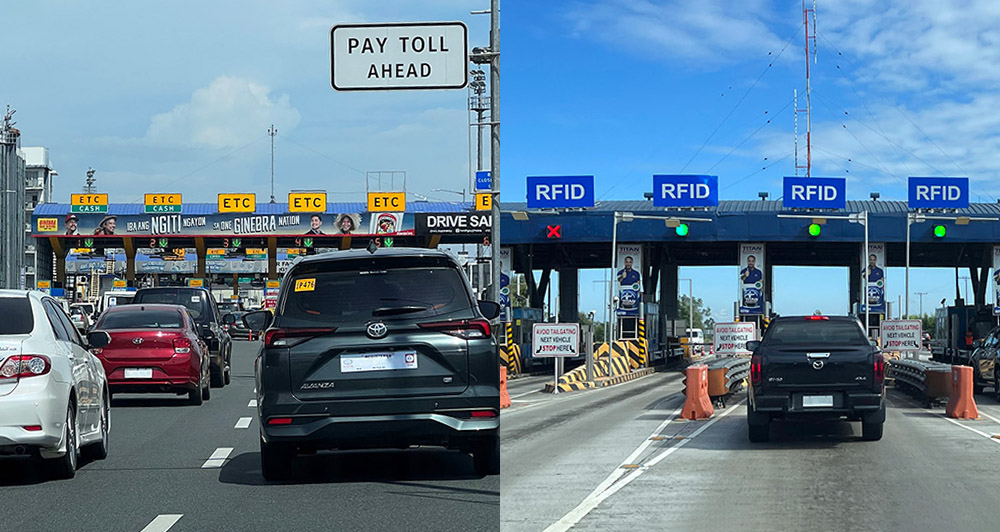
Toll Regulatory Board Philippines. Every time drivers pass through a toll plaza in the Philippines and hear the quick RFID beep, there is one government agency working behind the scenes to make sure the entire system runs properly the Toll Regulatory Board (TRB). Many people use expressways every day without realizing who regulates toll fees, approves new highways, checks road safety, and protects the rights of motorists. That important responsibility belongs to the TRB.
The Toll Regulatory Board plays a major role in the country’s transportation and infrastructure system. From regulating toll operations to monitoring expressway safety standards, the agency helps ensure that millions of Filipinos experience smoother, faster, and safer travel every day. Whether drivers are traveling through NLEX, SLEX, Skyway, TPLEX, STAR Tollway, SCTEX, CALAX, or other toll roads, the TRB helps maintain order and fairness across these expressways.
This detailed guide will help you understand everything about the Toll Regulatory Board Philippines, including its history, powers, duties, toll rate regulation, modernization programs, future projects, public-private partnerships, organizational structure, services, and how it protects Filipino motorists.
What is the Toll Regulatory Board (TRB)?
The Toll Regulatory Board, commonly called the TRB, is a government agency attached to the Department of Transportation (DOTr). It is responsible for supervising and regulating toll roads and expressways across the Philippines.
The agency was created to oversee the construction, operation, and maintenance of toll facilities. Its main goal is to ensure that toll roads remain safe, reliable, efficient, and fair for all road users. The TRB regulates major expressways in the country, including:
- North Luzon Expressway (NLEX)
- South Luzon Expressway (SLEX)
- Skyway System
- Tarlac–Pangasinan–La Union Expressway (TPLEX)
- STAR Tollway
- Subic–Clark–Tarlac Expressway (SCTEX)
- Cavite–Laguna Expressway (CALAX)
These expressways help reduce travel time, improve trade and transportation, and support economic growth in different regions of the Philippines. The TRB also works closely with toll operators and private companies to ensure that toll systems operate smoothly while still protecting the welfare of motorists.
History of the Toll Regulatory Board
The history of the Toll Regulatory Board started in March 1977 when Presidential Decree No. 1112, also known as the Toll Operation Decree, was issued.
This decree became an important step in Philippine infrastructure development because it allowed the construction and operation of toll facilities through partnerships between the government and private companies.
- At the same time, the decree officially created the Toll Regulatory Board.
The government established the TRB because infrastructure projects required huge financial investments. Instead of depending only on government funds and foreign loans, the country opened opportunities for private sector participation in toll road development.
This system helped accelerate the construction of expressways and transportation networks across the country. Over the years, the TRB experienced several organizational changes:
| Year | Development |
|---|---|
| 1977 | TRB created under Presidential Decree No. 1112 |
| 2002 | Attached to the Department of Transportation and Communications (DOTC) through Executive Order No. 133 |
| Later Years | Temporarily transferred to the Department of Public Works and Highways (DPWH) |
| 2007 | Returned to the DOTC through Executive Order No. 686 |
| Present | Remains attached to the Department of Transportation (DOTr) |
Despite these administrative changes, the TRB continued fulfilling its mission of regulating toll facilities and protecting public interests.
Why the TRB is Important
The TRB is important because toll roads affect millions of Filipinos every day. Without proper regulation, motorists could face unfair toll fees, unsafe roads, poor traffic management, and unreliable services. The TRB acts as the bridge between the government, private toll operators, and the public.
Here are some reasons why the TRB is very important:
1. Keeps Toll Fees Fair
The TRB reviews proposed toll fee increases carefully before approval. This helps prevent unreasonable or excessive charges for motorists.
2. Ensures Road Safety
The agency regularly checks expressways to make sure roads remain safe and properly maintained.
3. Supports Infrastructure Growth
TRB helps approve new toll projects that improve transportation and reduce traffic congestion.
4. Protects Motorists
The board handles complaints and concerns from drivers regarding toll operations and RFID systems.
5. Promotes Faster Travel
Through proper regulation and modernization, the TRB helps improve traffic flow and travel convenience.
Main Functions and Responsibilities of the TRB
The Toll Regulatory Board performs many important duties related to toll roads and expressways.
Setting Toll Rates
One of the biggest responsibilities of the TRB is setting and regulating toll fees. Before any increase is approved, the agency studies several factors such as:
- Inflation
- Maintenance expenses
- Road improvements
- Operational costs
- Economic impact on motorists
Public consultations and hearings are often conducted to ensure transparency.
Issuing Toll Operation Certificates
The TRB grants Toll Operation Certificates (TOCs) to companies authorized to operate toll facilities. Without TRB approval, companies cannot legally manage toll roads in the Philippines.

Monitoring Toll Facilities
The agency regularly monitors expressways to ensure:
- Proper road maintenance
- Traffic management
- Safe operations
- Good customer service
- Functional RFID systems
Evaluating New Toll Road Projects
The TRB reviews proposals for new expressway developments and expansion projects. These evaluations help ensure projects are beneficial, financially sustainable, and safe for the public.
Handling Complaints
Motorists can contact the TRB regarding issues such as:
- Incorrect RFID deductions
- Poor toll services
- Traffic congestion
- Toll fee disputes
- Operational problems
The agency coordinates with operators to resolve these concerns quickly.
Organizational Structure of the TRB
The Toll Regulatory Board is composed of government officials and technical experts. The agency is headed by the Secretary of Transportation, who serves as Chairman. Other important members and representatives come from:
- Department of Public Works and Highways (DPWH)
- Department of Finance (DOF)
- National Economic and Development Authority (NEDA)
The organization also includes:
- Executive Director
- Legal officers
- Financial analysts
- Technical experts
- Administrative personnel
Together, these individuals help evaluate projects, review toll rates, and oversee toll operations.
Mission of the TRB
The mission of the Toll Regulatory Board is to regulate toll facilities efficiently while ensuring fair toll rates, safe travel, and reliable services for the public.
The agency also promotes transparency, accountability, and continuous improvement in toll road operations.
Vision of the TRB
The TRB aims to become a highly respected and world-class toll road regulator in the Philippines. Its long-term vision includes:
- Modern expressways
- Safer transportation systems
- Better travel convenience
- Balanced stakeholder interests
- Advanced toll technologies
The agency also wants to maintain high-quality infrastructure that supports economic growth and national development.
TRB and Public-Private Partnerships (PPPs)
Public-Private Partnerships, commonly known as PPPs, play a major role in Philippine infrastructure development. Under this system:
- The government works with private companies
- Private investors help finance projects
- Toll operators manage construction and maintenance
- The TRB supervises and regulates operations
This setup allows the country to build major infrastructure projects without relying entirely on government funding. The TRB carefully reviews PPP agreements to ensure:
- Fair toll rates
- Public safety
- Proper project implementation
- Investor accountability
PPP projects helped develop several major expressways across Luzon.
Toll Rate Regulation and Adjustments
Many motorists become concerned whenever toll fee increases are discussed. However, the TRB follows strict procedures before approving any adjustment.
Factors Considered by the TRB
Before approving toll increases, the agency reviews:
- Inflation rates
- Maintenance costs
- Road expansion projects
- Operational expenses
- Economic conditions
Public Hearings and Transparency
The TRB conducts public consultations and hearings before final decisions are made.
This allows motorists and stakeholders to express their opinions regarding proposed toll increases.
The agency also publishes approved toll rates in newspapers and public announcements to maintain transparency.
TRB-Accredited Toll Road Operators
Several companies operate toll roads under TRB supervision.
Major Toll Operators in the Philippines
| Toll Operator | Expressways Managed |
|---|---|
| NLEX Corporation | NLEX and SCTEX |
| Skyway O&M Corporation | Skyway System |
| SLEx Inc. | South Luzon Expressway |
| TPLEX Operators | TPLEX |
| STAR Tollway Operators | STAR Tollway |
| MPT South | CALAX and Cavite projects |
These operators must comply with TRB rules and regulations.
Digital Modernization and RFID Systems
The TRB supports modernization programs to improve toll operations and reduce traffic congestion. One of the biggest changes in recent years was the implementation of RFID systems.
RFID Systems in the Philippines
Two major RFID systems are currently used:
- Easytrip RFID
- Autosweep RFID
These systems allow cashless toll payments for faster and more convenient travel.
Benefits of RFID Technology
RFID systems provide many benefits:
- Faster toll transactions
- Reduced waiting time
- Less traffic congestion
- Contactless payments
- Better traffic monitoring
The TRB continues working toward better interoperability between Easytrip and Autosweep systems.
Common Problems Managed by the TRB
Despite modernization efforts, some issues still occur on toll roads. The TRB regularly addresses concerns involving:
1. Wrong RFID Deductions
Some motorists experience double charging or incorrect deductions.
2. Long Toll Plaza Lines
Traffic congestion remains a challenge during peak hours.
3. Poor Customer Service
Drivers sometimes complain about slow assistance or unhelpful support staff.
4. Toll Fee Disputes
Motorists occasionally question toll increases or incorrect charges.
5. System Errors
Technical problems in RFID systems can affect toll operations.
The TRB coordinates with operators to improve services and solve these issues.
Programs and Services Offered by the TRB
The Toll Regulatory Board provides several important services.
Toll Operation and Maintenance Regulation
The agency supervises toll road operations and maintenance activities.
Issuance of Policies and Guidelines
TRB creates toll regulations, policies, and operational standards.
Toll Rate Studies
Economic and financial studies help determine appropriate toll fees.
Construction Supervision
The agency monitors the construction of new toll roads and expansion projects.
Right-of-Way Acquisition
TRB also assists in right-of-way acquisition for infrastructure projects.
Oversight and Regulatory Powers
The Toll Operation Decree gives the TRB several important legal powers.
Construction and Operation Authority
With presidential approval, the TRB may enter contracts for toll facility construction and operation.
Regulation of Operators
The agency ensures operators comply with government regulations and contractual obligations.

Emergency Powers
During emergencies, the President may temporarily take control of toll facilities for public safety.
Property Acquisition
The TRB may acquire private property for infrastructure projects when necessary.
Transparency and Accountability
Transparency is one of the core principles of the TRB. The agency ensures that toll-related decisions remain open and publicly available.
Publication of Toll Rates
New toll rates are published before implementation so motorists can stay informed.
Public Consultation
Stakeholders and commuters may participate in hearings and discussions.
Compliance Monitoring
Operators are monitored regularly to ensure compliance with agreements and service standards.
Government Vehicle Toll Exemptions
Under the Toll Operation Decree, certain government vehicles on official duty may be exempted from paying toll fees.
This exemption supports public service operations and official government functions. However, the exemption only applies under specific legal conditions.
Funding of the TRB
The TRB operates using a combination of:
- Government budget allocations
- Fees collected from toll operators
This funding structure helps maintain the agency’s operations and regulatory activities.
Major Expressways Regulated by the TRB
The Philippines has several important expressways regulated by the TRB.
North Luzon Expressway (NLEX)
NLEX connects Metro Manila to Central and Northern Luzon.
South Luzon Expressway (SLEX)
SLEX provides faster access to Southern Luzon provinces.
Skyway System
The Skyway reduces traffic congestion in Metro Manila through elevated expressways.
SCTEX
The Subic-Clark-Tarlac Expressway supports tourism and trade.
TPLEX
TPLEX extends transportation access toward Northern Luzon.
STAR Tollway
STAR Tollway improves connectivity between Batangas and nearby provinces.
Future Projects and Expansion Plans
The TRB continues planning future infrastructure improvements.
Expansion to Visayas and Mindanao
Future projects aim to improve transportation networks outside Luzon.
Smarter Toll Systems
The agency plans to enhance digital monitoring and automated toll systems.
Greener Infrastructure
Environmental sustainability is becoming part of future toll road planning.

Better Traffic Management
Advanced traffic monitoring systems may improve safety and reduce congestion.
Challenges Facing the TRB
Despite its achievements, the TRB still faces several challenges.
Traffic Congestion
Heavy vehicle volume remains a major issue on busy expressways.
Public Complaints
Managing customer concerns requires constant improvement.
Technology Upgrades
Maintaining and upgrading toll technologies can be expensive.
Balancing Interests
The agency must balance investor profits with public welfare.
How the TRB Helps the Philippine Economy
The Toll Regulatory Board indirectly supports economic growth through better transportation systems.
Faster Transportation
Efficient expressways reduce travel time and fuel consumption.
Increased Investments
Modern infrastructure attracts investors and businesses.
Better Trade and Logistics
Goods move more efficiently through reliable road networks.
Job Creation
Infrastructure projects create employment opportunities.
Importance of Toll Roads in Daily Life
Toll roads play an important role in everyday travel. They help:
- Reduce travel time
- Improve safety
- Support tourism
- Connect provinces
- Reduce city congestion
Without toll roads, traffic problems in many areas would become much worse.
How to Contact the Toll Regulatory Board
Motorists who need assistance or want to file complaints may contact the TRB through the following channels:
| Contact Information | Details |
|---|---|
| Website | TRB Official Website |
| [email protected] | |
| Hotline | (02) 8529-7622 |
| Office Address | DOTr Compound, Ortigas Avenue corner EDSA, Mandaluyong City |
The agency assists motorists regarding toll operations, complaints, and expressway concerns.
Tips for Motorists Using Toll Roads
Here are some useful tips for drivers using toll roads in the Philippines:
Maintain RFID Balance
Always ensure your RFID account has enough balance.
Follow Speed Limits
Speed limits are implemented for everyone’s safety.
Stay Updated
Monitor announcements regarding toll adjustments and traffic advisories.
Report Problems Immediately
Contact operators or the TRB if you experience billing or operational issues.
Prepare Before Traveling
Check traffic conditions and RFID status before entering expressways.

FAQs About Toll Regulatory Board Philippines
What is the Toll Regulatory Board (TRB) in the Philippines?
Ans: The Toll Regulatory Board (TRB) is a government agency under the Department of Transportation (DOTr) that regulates and supervises toll roads and expressways in the Philippines. Its main responsibility is to make sure toll facilities operate safely, efficiently, and fairly for all motorists. The agency also reviews toll fee adjustments, monitors toll operators, and supports the development of modern expressways across the country.
Why is the TRB important for Filipino motorists?
Ans: The TRB is important because it helps protect the interests of drivers and commuters who use toll roads every day. It ensures that toll fees remain reasonable, roads stay safe, and operators follow government regulations. Without the TRB, there would be less control over toll operations, which could lead to unfair charges, poor road maintenance, and traffic management problems on major expressways.
What are the main responsibilities of the TRB?
Ans: The TRB handles many important responsibilities related to toll road management in the Philippines. These include regulating toll rates, issuing permits to toll operators, supervising road construction and maintenance, monitoring RFID systems, conducting public hearings, and resolving complaints from motorists. The agency also evaluates new toll road projects to ensure they are beneficial to the public and support national development.
How does the TRB regulate toll fee increases?
Ans: Before approving any toll fee adjustment, the TRB carefully reviews several factors such as inflation, operational costs, road maintenance expenses, and infrastructure improvements. The agency also conducts public consultations and hearings to gather opinions from commuters and stakeholders. This process helps ensure that toll increases are fair, transparent, and reasonable for motorists using expressways.
What expressways are regulated by the TRB?
Ans: The TRB regulates many major toll roads and expressways in the Philippines. Some of the most popular include the North Luzon Expressway (NLEX), South Luzon Expressway (SLEX), Skyway System, STAR Tollway, Tarlac-Pangasinan-La Union Expressway (TPLEX), Subic-Clark-Tarlac Expressway (SCTEX), and Cavite-Laguna Expressway (CALAX). These roads help improve transportation, reduce travel time, and support economic growth.
What is the role of the TRB in RFID implementation?
Ans: The TRB supports digital modernization efforts by promoting RFID systems for cashless toll payments. RFID technology helps reduce traffic congestion, speed up toll transactions, and improve convenience for motorists. The agency also works with toll operators to improve interoperability between Easytrip and Autosweep systems so drivers can experience smoother travel across different expressways.
Can motorists file complaints with the TRB?
Ans: Yes, motorists can contact the TRB if they experience problems while using toll roads. Common complaints include wrong RFID deductions, traffic congestion, poor customer service, toll fee disputes, and system errors. The TRB coordinates with toll operators to investigate and resolve these concerns in order to improve the overall experience of road users.
How does the TRB support infrastructure development in the Philippines?
Ans: The TRB plays an important role in infrastructure growth by reviewing and approving toll road projects under Public-Private Partnerships (PPPs). These partnerships allow private companies to help finance and develop expressways while the TRB supervises operations and protects public interests. This system helps the government build more roads and improve transportation networks nationwide.
What are the future plans of the Toll Regulatory Board?
Ans: The TRB plans to continue improving toll road systems in the Philippines through modernization and expansion projects. Future goals include building more expressways in Visayas and Mindanao, improving traffic management systems, creating smarter toll technologies, and supporting environmentally friendly infrastructure projects. These plans aim to provide safer, faster, and more efficient travel for Filipino motorists.
How can people contact the Toll Regulatory Board?
Ans: People who need assistance regarding toll roads and expressways can contact the TRB through its official website, hotline, email, or office address. The agency accepts inquiries, complaints, and feedback from motorists about toll operations, RFID concerns, and expressway services. The TRB continues working to provide better communication and support for the public.
Conclusion
The Toll Regulatory Board Philippines plays a very important role in the country’s transportation system. Although many motorists only notice the toll fee or RFID beep during their daily travel, the TRB works continuously behind the scenes to regulate toll operations, maintain fairness, protect public interests, and improve road infrastructure.
From setting toll rates and monitoring operators to supporting modernization and future expansion projects, the agency helps create safer, faster, and more reliable travel experiences for millions of Filipinos.