When Shall an Alcohol Breath Analyzer Used? Complete Guide 2026
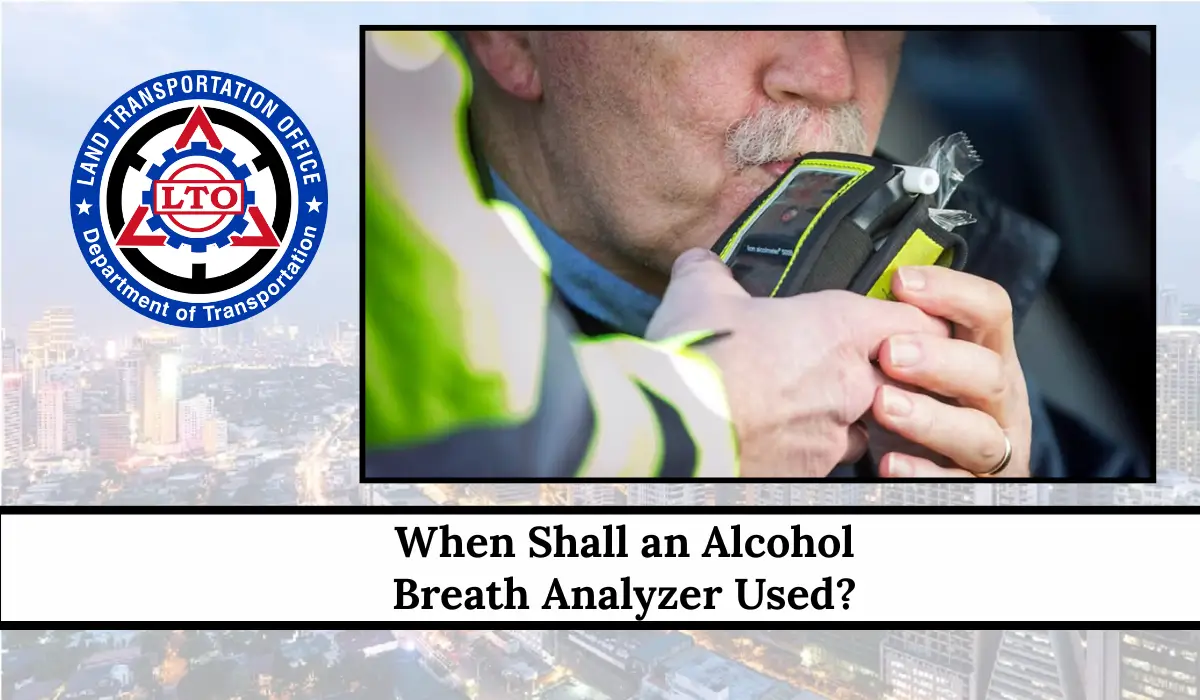
When Shall an Alcohol Breath Analyzer Used? The alcohol breath analyzer is not there to scare drivers. It is there to protect lives. Every year, many road accidents happen because people drive after drinking alcohol. A single wrong decision can destroy families, injure innocent people, and change lives forever. This is why governments and traffic authorities around the world use alcohol breath analyzers to stop drunk driving before accidents happen.
Today, alcohol breath analyzers are one of the most important tools used for road safety. They help police officers quickly check whether a driver is under the influence of alcohol. The process is fast, simple, and accurate. In just a few seconds, the device can show if someone is safe to drive or if they are putting themselves and others in danger.
In this detailed guide, you will learn everything about alcohol breath analyzers, including when they are used, how they work, legal rules, penalties, myths, safety importance, and many other important details.
What Is an Alcohol Breath Analyzer?
An alcohol breath analyzer, also called a breathalyzer or Alcohol Breath Analyzer (ABA), is a device used to measure the amount of alcohol in a person’s breath. The result helps determine the level of alcohol in the blood, also known as Blood Alcohol Concentration (BAC).
This device is commonly used by police officers and traffic authorities during checkpoints, traffic stops, accidents, and sobriety testing. Instead of using blood samples or laboratory testing, the breath analyzer provides quick results in only a few seconds.
The technology works because alcohol from the bloodstream enters the lungs and comes out through breathing. The device measures this alcohol level and estimates the BAC of the driver.
The alcohol breath analyzer is considered one of the most effective tools for reducing drunk driving cases around the world.
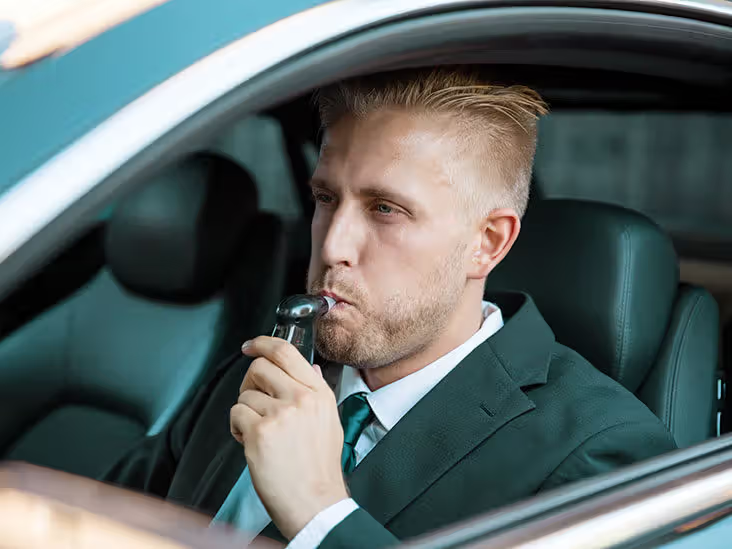
How Does an Alcohol Breath Analyzer Work?
Many people wonder how such a small device can detect alcohol so quickly. The process is actually very simple. Here is how it works:
- The driver blows air into the device.
- The analyzer checks the alcohol particles in the breath.
- Sensors inside the machine calculate the alcohol concentration.
- The BAC result appears on the screen within seconds.
Modern breath analyzers are very advanced and accurate. Many devices used by law enforcement are approved by government agencies and must follow strict standards. Some devices can even:
- Print test results
- Store records
- Detect false samples
- Separate alcohol from other chemicals like acetone
Because of this, breath analyzers are trusted by police departments worldwide.
What Is Blood Alcohol Concentration (BAC)?
Blood Alcohol Concentration or BAC refers to the amount of alcohol present in a person’s blood.
BAC levels increase when someone drinks alcohol. The higher the BAC, the more impaired the person becomes.
In many countries, including the United States, the legal BAC limit for drivers is 0.08%. When BAC rises above the legal limit, drivers may experience:
- Slurred speech
- Poor judgment
- Slow reflexes
- Blurred vision
- Balance problems
- Mood changes
- Nausea
- Loss of focus
These effects make driving extremely dangerous.
Why Is Drunk Driving Dangerous?
Driving under the influence of alcohol is one of the leading causes of road accidents worldwide.
Alcohol affects the brain and body in many harmful ways. Even small amounts of alcohol can reduce reaction time and decision-making ability. Drunk driving can lead to:
- Fatal accidents
- Serious injuries
- Damage to vehicles
- Legal penalties
- Loss of driving license
- Jail time
- Emotional trauma for families
When someone drives after drinking, they not only risk their own life but also the lives of passengers, pedestrians, and other drivers. This is why alcohol breath analyzers are so important for public safety.
Legal Basis for Alcohol Breath Testing
Different countries have laws that allow police officers to use alcohol breath analyzers during traffic enforcement.
In the Philippines, Republic Act No. 10586, also known as the Anti-Drunk and Drugged Driving Act of 2013, gives the police and Land Transportation Office (LTO) the authority to test drivers suspected of drunk driving. Under this law, officers may ask drivers to take a breath test if they notice signs such as:
- Red eyes
- Slurred speech
- Smell of alcohol
- Difficulty walking
- Dangerous driving behavior
The law aims to prevent accidents and improve road safety. Refusing a breath test may also result in penalties because refusal is considered a violation under the law.
When Shall an Alcohol Breath Analyzer Be Used?
An alcohol breath analyzer is not used randomly without reason. It is usually used in situations where there is suspicion that a driver may be under the influence of alcohol.

Below are the most common situations when a breath analyzer is used.
1. During Traffic Stops
Police officers may stop drivers for traffic violations such as:
- Overspeeding
- Swerving
- Running a red light
- Reckless driving
If the officer notices signs of alcohol use, they may ask the driver to take a breath test.
For example:
- The driver smells like alcohol
- Speech is unclear
- Eyes appear red or glassy
- Driver behaves strangely
In such cases, the breath analyzer helps confirm whether alcohol is involved.
2. At Police Checkpoints
Checkpoints are common during holidays, weekends, and nighttime operations.
Officers at checkpoints observe drivers carefully. If they suspect alcohol consumption, they may request a breath test.
The purpose of checkpoints is prevention. They help identify drunk drivers before accidents happen. Many accidents are prevented because impaired drivers are detected early.
3. After Road Accidents
One of the most important times to use an alcohol breath analyzer is after a traffic accident.
If alcohol use is suspected after a crash, officers may conduct a breath test immediately. This is important because:
- Alcohol may have caused the accident
- Accurate evidence is needed
- Authorities must determine responsibility
Serious accidents involving injuries or deaths often require alcohol testing.
4. After Failing Field Sobriety Tests
Before using the breath analyzer, officers sometimes conduct field sobriety tests. These tests may include:
- Walking in a straight line
- Standing on one leg
- Following an object with the eyes
- Maintaining balance
If the driver fails these tests, the officer may proceed with the alcohol breath analyzer test. This two-step process helps ensure fairness and accuracy.
5. During Special Enforcement Operations
Authorities often increase drunk driving enforcement during:
- Holidays
- Festivals
- Weekend nights
- Major events
These periods usually have higher alcohol consumption rates. Breath analyzers are used more frequently during these operations to improve public safety.
Standardized Field Sobriety Tests
Field sobriety tests help officers identify signs of impairment before using the breath analyzer. These tests check:
- Coordination
- Balance
- Attention
- Eye movement
- Physical control
Common sobriety tests include:
Walk-and-Turn Test
The driver walks heel-to-toe in a straight line.
One-Leg Stand Test
The driver stands on one leg for several seconds.
Horizontal Gaze Nystagmus Test
The officer checks eye movement while the driver follows an object.
Poor performance may indicate impairment.
Procedures in Conducting a Breath Test
Proper procedures are important to ensure accurate results and fair treatment. Here is the usual process:
Step 1: Initial Observation
The officer observes the driver for signs of intoxication.
Step 2: Explanation of the Test
The officer explains:
- Why the test is needed
- How the device works
- What the driver must do
Step 3: Preparation of the Device
A clean mouthpiece is attached to the analyzer for hygiene purposes.
Step 4: Breath Sample Collection
The driver blows gently into the device.
Step 5: BAC Analysis
The analyzer measures the alcohol concentration.
Step 6: Display of Results
Results appear within seconds.
Step 7: Recording the Result
The result is documented for legal and official purposes.
This process is designed to be fair, respectful, and accurate.
Penalties for Failing a Breath Test
Failing a breath test can lead to serious consequences.
In the Philippines, penalties under RA 10586 may include:
First Offense
- Fine between ₱50,000 and ₱80,000
- License suspension for one year
Second Offense
- Higher fines
- Longer license suspension
- Mandatory rehabilitation programs
Third Offense
- Permanent revocation of license
- Possible imprisonment
If drunk driving causes injury or death, penalties become much more severe.
What Happens If You Refuse the Test?
Some people believe refusing the test helps them avoid punishment. This is false. In many places, refusing a breath test can result in:
- Automatic penalties
- License suspension
- Fines
- Legal consequences
Authorities treat refusal seriously because it interferes with law enforcement procedures.
Importance of Alcohol Breath Analyzers in Public Safety
Alcohol breath analyzers save lives every single day. They help:
- Reduce road accidents
- Detect impaired drivers
- Prevent dangerous situations
- Encourage responsible driving
- Improve road discipline
Without breath analyzers, many drunk drivers would remain undetected. These devices create safer roads for:
- Drivers
- Passengers
- Pedestrians
- Cyclists
- Families
Every successful breath test operation may prevent a future tragedy.
Common Myths About Breathalyzer Tests
There are many misunderstandings about alcohol breath analyzers.
Let’s separate myths from facts.
Myth 1: Chewing Gum Can Hide Alcohol
This is false.
Breath analyzers detect alcohol from deep lung air, not from mouth odor.
Myth 2: Coffee Can Sober You Up
Coffee may make someone feel awake, but it does not reduce BAC.
Only time can lower alcohol levels.
Myth 3: Taking a Deep Breath Beats the Test
Modern analyzers are advanced and difficult to fool.
Breathing tricks usually do not work.
Myth 4: Refusing the Test Avoids Punishment
Refusal often leads to penalties similar to failing the test.
Myth 5: Breathalyzers Are Always Wrong
Approved devices are regularly tested and calibrated for accuracy.
While no device is perfect, modern analyzers are generally very reliable.
What Is Alcohol Poisoning?
Alcohol poisoning happens when someone drinks dangerous amounts of alcohol in a short time. This is a medical emergency.
Symptoms include:
- Confusion
- Vomiting
- Slow breathing
- Seizures
- Low body temperature
- Unconsciousness
In serious cases, alcohol poisoning can lead to death. Emergency medical help should be called immediately.
Why Road Safety Matters
Road safety is everyone’s responsibility.
- One careless decision can affect many innocent people.
Safe driving habits include:
- Never drinking and driving
- Wearing seat belts
- Following traffic rules
- Staying focused while driving
- Avoiding distractions
Alcohol breath analyzers support these goals by discouraging impaired driving.
Ethical and Practical Considerations
Breath testing should always be done fairly and respectfully. Police officers must:
- Follow legal procedures
- Treat drivers politely
- Use properly calibrated devices
- Explain the testing process clearly
Drivers should:
- Stay calm
- Cooperate respectfully
- Understand their rights and responsibilities
When both sides act responsibly, trust and road safety improve together.
Advantages of Alcohol Breath Analyzers
There are many benefits of using alcohol breath analyzers.
Fast Results
Results appear within seconds.

Non-Invasive
No blood sample is needed.
Portable
Devices are easy to carry during checkpoints.
Accurate
Modern analyzers provide reliable results.
Preventive Tool
They help stop accidents before they occur.
Challenges of Using Breath Analyzers
Although breath analyzers are useful, some challenges still exist.
Calibration Issues
Devices must be calibrated regularly.
Environmental Factors
Temperature and chemicals may affect readings.
Legal Concerns
Proper procedures must always be followed.
Public Fear
Some drivers feel nervous even when innocent.
Authorities continue improving technology and training to solve these challenges.
Role of Public Awareness Campaigns
Governments and traffic agencies often run awareness campaigns about drunk driving. These campaigns teach people:
- The dangers of alcohol-impaired driving
- Legal consequences
- Safe transportation options
- Importance of road responsibility
Education combined with enforcement creates better driving habits.
Safe Alternatives to Drunk Driving
If you drink alcohol, never drive afterward. Safer choices include:
- Calling a taxi
- Using ride-sharing apps
- Asking a sober friend for help
- Staying overnight
- Using public transportation
These simple decisions can save lives.
Future of Alcohol Breath Analyzer Technology
Technology continues improving every year. Future breath analyzers may include:
- Faster testing
- Higher accuracy
- Wireless reporting
- AI-powered analysis
- Vehicle safety integration
Some modern vehicles already include alcohol detection systems to prevent impaired driving.
The Role of the Land Transportation Office (LTO)
The Land Transportation Office plays an important role in reducing drunk driving in the Philippines. The LTO:
- Conducts checkpoints
- Trains officers
- Enforces anti-drunk driving laws
- Educates the public
- Uses Alcohol Breath Analyzers responsibly
Their goal is not punishment alone — it is public protection.
Why Cooperation During Testing Matters
Cooperating during a breath test helps:
- Speed up procedures
- Reduce misunderstandings
- Ensure fairness
- Improve road safety efforts
Staying calm and respectful benefits everyone involved.
FAQs About Alcohol Breath Analyzers
When shall an alcohol breath analyzer be used?
Ans: An alcohol breath analyzer is used when police officers or traffic authorities suspect that a driver may be under the influence of alcohol. It is commonly used during traffic stops, road checkpoints, after accidents, or when a driver fails field sobriety tests. Officers may also use it if they notice signs like slurred speech, red eyes, poor balance, reckless driving, or the smell of alcohol. The purpose of the test is not to scare drivers but to ensure public safety and prevent accidents caused by drunk driving.
What is an alcohol breath analyzer and how does it work?
Ans: An alcohol breath analyzer, also called a breathalyzer or ABA, is a device used to measure the amount of alcohol present in a person’s breath. It works by analyzing the air blown into the machine and calculating the Blood Alcohol Concentration (BAC). Since alcohol from the bloodstream passes into the lungs, the device can estimate how much alcohol is in the blood through a breath sample. The test usually takes only a few seconds and provides quick and accurate results without needing blood tests or needles.
Why are alcohol breath analyzers important for road safety?
Ans: Alcohol breath analyzers play a very important role in improving road safety because they help identify drunk drivers before accidents happen. Driving under the influence of alcohol affects a person’s judgment, reaction time, balance, and focus, which can lead to dangerous crashes. Breath analyzers allow law enforcement officers to quickly check drivers who may be impaired and stop them from continuing to drive. These devices help reduce road accidents, save lives, and encourage people to drive responsibly after consuming alcohol.
What happens if someone fails a breathalyzer test?
Ans: If a driver fails a breathalyzer test, they may face serious legal consequences depending on the laws of their country or state. Common penalties include fines, suspension of the driving license, mandatory rehabilitation programs, vehicle impoundment, or even jail time for serious offenses. Repeat offenders usually receive stricter punishments. If drunk driving causes injuries or death, the penalties become much heavier. Failing a breath test can also affect a person’s criminal record, employment opportunities, and insurance rates.
Can someone refuse to take an alcohol breath analyzer test?
Ans: In many countries, refusing to take a breathalyzer test is considered a legal violation and may result in penalties similar to failing the test itself. Authorities may suspend the driver’s license, issue fines, or take legal action against the driver for non-cooperation. Some people believe refusing the test helps them avoid punishment, but this is usually false. Traffic laws often require drivers to cooperate with alcohol testing if officers have reasonable suspicion that the person is driving under the influence.
What are the signs that make officers suspect drunk driving?
Ans: Police officers are trained to look for several signs that may indicate alcohol impairment. These signs include swerving on the road, driving too fast or too slowly, ignoring traffic signals, slurred speech, bloodshot eyes, poor coordination, confusion, and the smell of alcohol coming from the driver. Officers may also observe unusual behavior, delayed responses, or difficulty following instructions. If these warning signs are present, officers may ask the driver to perform field sobriety tests or take a breathalyzer test.
Are alcohol breath analyzers accurate and reliable?
Ans: Modern alcohol breath analyzers are generally very accurate and reliable when they are properly maintained and calibrated. Most law enforcement agencies use government-approved devices that must meet strict standards before being used officially. These machines are tested regularly to ensure accurate readings. However, like any technology, small errors may sometimes happen due to improper calibration, environmental factors, or incorrect usage. This is why trained officers follow strict procedures during testing to maintain fairness and accuracy.
Can chewing gum, coffee, or mints help someone pass a breathalyzer test?
Ans: No, chewing gum, drinking coffee, eating mints, or using mouthwash cannot hide alcohol from a breathalyzer test. These are common myths that are not supported by science. Breath analyzers measure alcohol coming from deep inside the lungs, not just smells from the mouth. Coffee may make someone feel more awake, but it does not lower blood alcohol levels. The only real way for alcohol to leave the body is through time, as the liver slowly processes the alcohol naturally.
What is the legal blood alcohol concentration (BAC) limit for drivers?
Ans: In many countries, the legal Blood Alcohol Concentration (BAC) limit for drivers is 0.08%, although some countries have lower limits for commercial drivers or young drivers. BAC refers to the percentage of alcohol present in the bloodstream. When BAC rises above the legal limit, drivers may experience slower reflexes, poor judgment, blurred vision, and reduced coordination, making driving unsafe. Exceeding the legal BAC limit can lead to arrest, penalties, and serious legal consequences.
How can drivers avoid problems related to drunk driving?
Ans: The safest way to avoid drunk driving problems is simple never drive after drinking alcohol. Drivers should plan ahead before consuming alcohol by arranging safe transportation options such as taxis, ride-sharing services, public transport, or a sober driver. Staying overnight at a safe location is also a smart choice if alcohol has been consumed. Responsible decisions not only protect the driver but also help keep passengers, pedestrians, and other road users safe from accidents and harm.
Conclusion
Alcohol breath analyzers play a very important role in keeping roads safe and preventing drunk driving accidents. These devices help police officers quickly identify drivers who may be under the influence of alcohol. They are commonly used during checkpoints, traffic stops, accidents, and sobriety investigations to protect both drivers and the public. Modern breath analyzers are fast, accurate, and easy to use, making them one of the best tools for road safety enforcement. Most importantly, they remind everyone that responsible driving saves lives. The safest choice is always simple. if you drink alcohol, never drive. Choose safety, follow the law, and protect others on the road.