RA 3992: Revised Motor Vehicle Law Philippines Guide 2026
RA 3992: Revised Motor Vehicle Law Philippines Guide 2026. Every day, thousands of Filipinos are on the road from jeepney drivers and riders to parents bringing their kids to school. Behind every safe trip is a law that helps keep traffic in order. One of these is Republic Act No. 3992, also known as the Revised Motor Vehicle Law.
Even though it was created many years ago, this law still plays an important role in shaping how people drive today. It is not just a set of rules it is a reminder that driving requires responsibility, discipline, and respect for others.
In this complete guide, you will learn everything about RA 3992, including its history, key rules, importance, amendments, and how it connects to modern traffic laws in the Philippines.
What is RA 3992? (Revised Motor Vehicle Law)
RA 3992 is one of the earliest laws in the Philippines that organized the use of motor vehicles. It was enacted on January 1, 1933, and served as the foundation for regulating drivers, vehicles, and road safety.
This law introduced rules for:
- Vehicle registration
- Driver licensing
- Traffic behavior
- Road safety
- Penalties for violations
Although newer laws like RA 4136 (Land Transportation and Traffic Code) later replaced and expanded it, RA 3992 remains historically important. It laid the groundwork for all traffic laws used today.
In simple words, RA 3992 was the starting point of organized driving rules in the Philippines.
Scope and Coverage of RA 3992
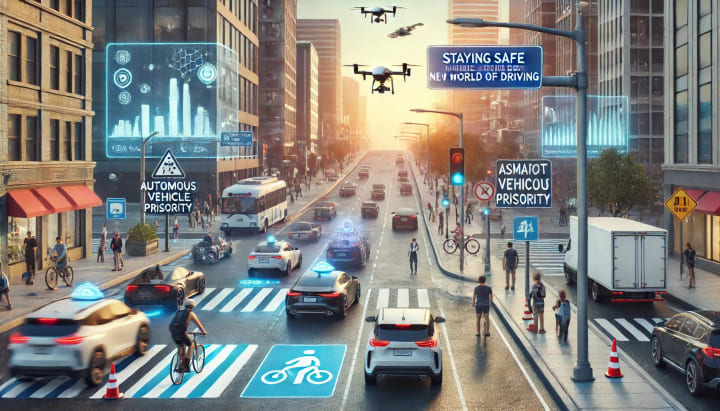
RA 3992 applies to anyone using motor vehicles on public roads. Whether you are driving a car, motorcycle, jeepney, or truck, this law sets the basic rules you must follow. The law covers:
- Registration of motor vehicles
- Issuance of driver’s licenses
- Regulation of drivers and operators
- Traffic rules and road conduct
- Penalties for violations
In short, if you drive in the Philippines, this law applies to you.
Vehicle Registration Rules Under RA 3992
Before using any motor vehicle, it must be properly registered. This ensures that every vehicle on the road is recorded and safe to operate.
Basic Requirements for Registration
To legally operate a vehicle, you need:
- Certificate of Registration (CR)
- Official Receipt (OR)
- Proof of ownership
- Updated yearly registration
Registration helps authorities track vehicles and ensures that all units meet safety standards.
Why Registration is Important
Vehicle registration is not just a requirement it protects everyone on the road.
It helps:
- Prevent illegal vehicles
- Track stolen cars
- Ensure road safety
- Maintain proper records
Without proper registration, roads would become unsafe and unorganized.
Driver Licensing and Responsibilities
RA 3992 clearly states that no person can drive without a valid license. This rule ensures that only trained and qualified individuals operate vehicles.
Driver Responsibilities
Every driver must:
- Carry a valid license at all times
- Follow traffic signs and rules
- Respect speed limits
- Avoid reckless driving
- Maintain vehicle condition
Driving is not just a right it is a privilege that comes with responsibility.
Traffic Rules and Road Discipline
RA 3992 introduced early traffic rules that drivers must follow to avoid accidents.
Key Traffic Rules Include:
- Following road signs and signals
- Giving way when necessary
- Proper overtaking
- Safe driving speed
- Stopping at railway crossings
Initially, driving was done on the left side of the road, but later amendments changed it to the right side, which is still followed today.
These rules may seem simple, but they are essential for keeping roads safe.
Common Violations and Penalties
Even with clear rules, many drivers still commit violations. RA 3992 set penalties to discourage unsafe behavior.
Common Offenses:
- Driving without a license
- Using an unregistered vehicle
- Reckless driving
- Overloading passengers
- Ignoring traffic rules
Possible Penalties:
- Fines
- License suspension
- Vehicle impoundment
- Jail time (for serious offenses)
These penalties are not meant to punish harshly — they exist to protect lives.
Enforcement and Government Agencies
To implement RA 3992, several agencies work together to ensure road safety.
Key Agencies:
- Land Transportation Office (LTO)
- Philippine National Police – Highway Patrol Group (PNP-HPG)
- Metropolitan Manila Development Authority (MMDA)
Their Roles:
- LTO handles licensing and registration
- PNP-HPG monitors highways and enforces laws
- MMDA manages traffic in Metro Manila
These agencies ensure that drivers follow the law and roads remain safe.
Historical Background of RA 3992
RA 3992 is not just a law, it is part of Philippine history. Before this law, there was limited control over vehicles. As transportation increased, the government needed a system to regulate drivers and vehicles.
Major Change Introduced
One key feature of RA 3992 was the transformation of the Automobile Division into the Division of Motor Vehicles.
This change:
- Improved organization
- Strengthened enforcement
- Created a more structured system
The head of this division was called the Superintendent, responsible for overseeing operations.
Key Provisions of RA 3992
RA 3992 included several important provisions that shaped transportation laws.
1. Division of Motor Vehicles
Established a central body to regulate motor vehicles.
2. Licensing and Registration
Outlined rules for issuing licenses and registering vehicles.
3. Traffic Regulations
Set guidelines for safe driving and road behavior.
4. Penalties and Enforcement
Defined punishments for violations.
5. Amendments
Allowed updates to improve the law over time.
Amendments and Evolution of RA 3992
RA 3992 was not perfect from the start. Over time, it was improved through several amendments.
Commonwealth Act Amendments
- Commonwealth Act No. 123
- Commonwealth Act No. 548
- Commonwealth Act No. 556
- Commonwealth Act No. 652
These updates improved:
- Safety standards
- Traffic management
- Administrative processes
Republic Act Amendments
- Republic Act No. 314
- Republic Act No. 587
- Republic Act No. 2383
These changes addressed:
- New transportation challenges
- Technological developments
- Road safety concerns
Transition to RA 4136 (Land Transportation and Traffic Code)
On June 20, 1964, RA 4136 was enacted. This law expanded and replaced many parts of RA 3992.
Key Changes Introduced by RA 4136:
- Creation of the Land Transportation Commission
- More detailed traffic rules
- Improved licensing system
- Better enforcement structure
Later, the commission evolved into the Land Transportation Office (LTO).
RA 3992 vs RA 4136: Key Differences
1. Time Period
- RA 3992: Enacted in 1933
- RA 4136: Enacted in 1964
2. Scope
- RA 3992: Basic framework
- RA 4136: More detailed and comprehensive
3. Agencies
- RA 3992: Division of Motor Vehicles
- RA 4136: Land Transportation Commission → LTO
4. Coverage
- RA 4136 includes modern traffic systems and penalties
In simple terms, RA 4136 improved and expanded RA 3992.
Importance of RA 3992 Today
Even though it is an old law, RA 3992 still matters today.
Why It Is Important:
- It introduced organized traffic rules
- It improved road safety
- It established driver responsibility
- It laid the foundation for modern laws
Without RA 3992, the Philippines would not have a structured transportation system today.
Challenges in Implementation
Despite its importance, implementing traffic laws is not always easy.
Common Challenges:
- Drivers ignoring rules
- Lack of awareness
- Limited enforcement resources
- Outdated systems
Modern Solutions
Programs like the LTO LTMS Portal help improve services by making processes faster and more transparent.
However, laws alone are not enough people must follow them willingly.
Real-Life Impact of RA 3992
RA 3992 has affected millions of drivers over the years.
Its Impact Includes:
- Safer roads
- Better driver discipline
- Organized traffic systems
- Reduced accidents
It reminds everyone that driving is a shared responsibility.
Key Takeaways
- RA 3992 is the foundation of Philippine traffic laws
- It introduced vehicle registration and driver licensing
- It promoted road safety and discipline
- It was later expanded by RA 4136
- Its influence is still seen today
FAQs About RA 3992
What is Republic Act No. 3992?
Ans: Republic Act No. 3992, also known as the Revised Motor Vehicle Law, is one of the earliest traffic laws in the Philippines. It was created to organize how motor vehicles are used on public roads. This law introduced important systems like vehicle registration, driver licensing, and traffic rules. Before this law, there were very limited guidelines for drivers, which made road use less organized. RA 3992 helped bring order and safety by setting clear responsibilities for drivers and vehicle owners. Even though it has been replaced by newer laws, it still serves as the foundation of modern traffic regulations in the country.
When was RA 3992 enacted and why was it created?
Ans: RA 3992 was enacted on January 1, 1933, during a time when motor vehicles were becoming more common in the Philippines. The government saw the need to regulate the growing number of vehicles to prevent accidents and confusion on the roads. The law was created to establish a proper system for registering vehicles, issuing driver’s licenses, and enforcing traffic rules. Its main goal was to ensure safety, improve road discipline, and create a structured transportation system that would benefit both drivers and pedestrians.
What does RA 3992 cover?
Ans: RA 3992 covers several important aspects of road use and transportation. It includes rules for registering motor vehicles, obtaining driver’s licenses, and following traffic regulations. The law also explains the responsibilities of drivers, vehicle owners, and operators. In addition, it outlines penalties for those who violate traffic rules. Overall, the law ensures that all vehicles on public roads are properly documented and that drivers follow safe and responsible practices to avoid accidents and maintain order.
Who needs to follow RA 3992?
Ans: RA 3992 applies to anyone who operates or owns a motor vehicle in the Philippines. This includes private car owners, motorcycle riders, public transport drivers like jeepney and bus operators, and even commercial vehicle drivers. If a person uses public roads, they are required to follow the rules set by this law. It ensures that all drivers, regardless of the type of vehicle they use, follow the same standards for safety and responsibility.

What are the vehicle registration requirements under RA 3992?
Ans: Under RA 3992, all motor vehicles must be registered before they can be used on public roads. This process includes obtaining a Certificate of Registration (CR) and an Official Receipt (OR), which serve as proof that the vehicle is legally recorded. Vehicle owners must also renew their registration regularly and ensure that their vehicle meets safety standards. Registration helps authorities track vehicles, prevent illegal operations, and ensure that all vehicles on the road are safe and properly maintained.
What are the responsibilities of drivers under RA 3992?
Ans: Drivers under RA 3992 have several important responsibilities. They must carry a valid driver’s license at all times while driving and follow all traffic rules and road signs. Drivers are expected to drive carefully, avoid reckless behavior, and respect other road users. They are also responsible for ensuring that their vehicle is in good condition before using it. The law emphasizes that driving is not just a right but a responsibility that requires discipline and awareness.
What are the common violations under RA 3992?
Ans: Some of the most common violations under RA 3992 include driving without a valid license, operating an unregistered vehicle, reckless driving, and overloading passengers or cargo. Other violations include ignoring traffic signals, speeding, and failing to follow road signs. These offenses are considered serious because they can lead to accidents and put lives at risk. The law aims to reduce these violations by setting clear rules and encouraging responsible driving behavior.
What penalties are given for violating RA 3992?
Ans: The penalties for violating RA 3992 can vary depending on the seriousness of the offense. Minor violations may result in fines, while more serious offenses can lead to license suspension or vehicle impoundment. In some cases, repeat offenders or those involved in dangerous driving may face imprisonment. These penalties are designed to discourage unsafe behavior and ensure that drivers take their responsibilities seriously. The main purpose is not to punish but to promote safety and order on the roads.
How did RA 3992 evolve over time?
Ans: RA 3992 underwent several amendments over the years to adapt to changes in transportation and society. These amendments were introduced through different Commonwealth Acts and Republic Acts, which improved safety standards and administrative processes. As the number of vehicles increased and technology advanced, the law needed updates to remain effective. Eventually, many of its provisions were replaced or expanded by RA 4136, also known as the Land Transportation and Traffic Code, which provided a more detailed and modern framework for traffic regulation.
Is RA 3992 still relevant today?
Ans: Although RA 3992 has been largely replaced by newer laws like RA 4136, it is still relevant because it laid the foundation for the current traffic system in the Philippines. Many of the principles introduced by this law, such as vehicle registration, driver licensing, and road discipline, are still followed today. It remains an important part of legal history and continues to influence how traffic laws are structured. Understanding RA 3992 helps people appreciate the development of road safety and transportation systems in the country.
Conclusion
Republic Act No. 3992, also known as the Revised Motor Vehicle Law, is one of the most important laws in Philippine transportation history.
Even though it was created many years ago, its impact continues to shape how people drive today. It reminds drivers that the road is shared, and safety should always come first.