Electronic Toll Collection (ETC) System in Philippines 2026: Complete Guide For Drivers
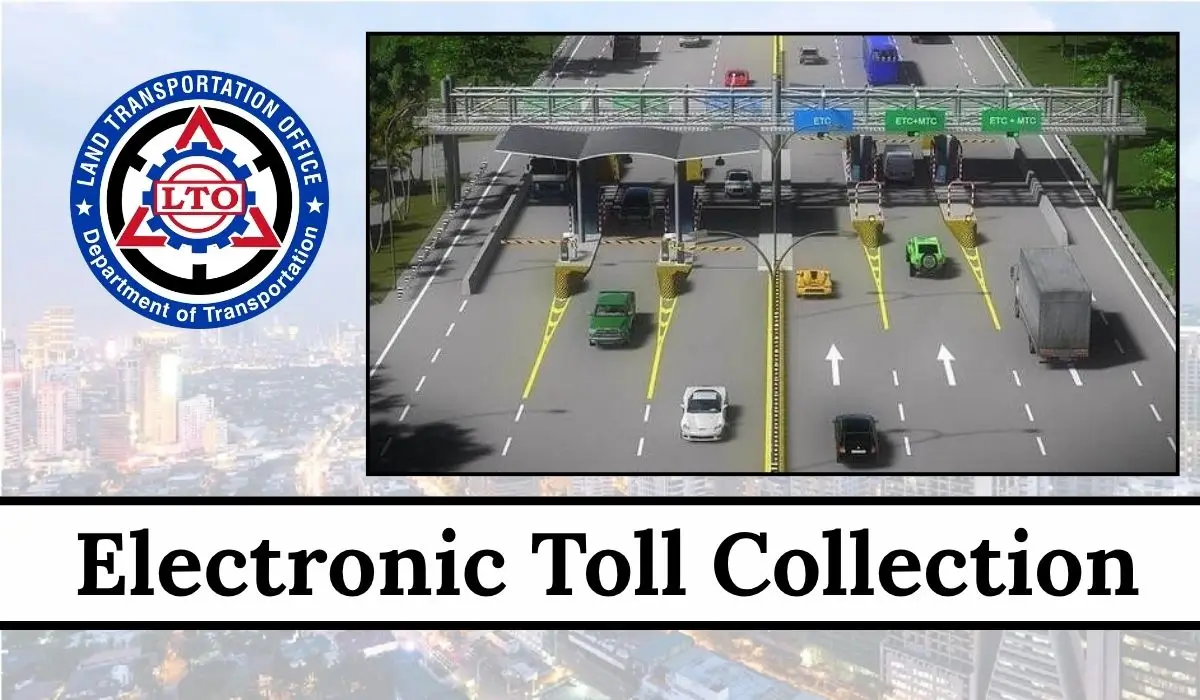
Electronic Toll Collection (ETC) System is a modern and smart way to collect toll fees from vehicles without stopping them on the road. It uses wireless technology to automatically charge toll fees when a vehicle passes through a toll lane. This system is becoming very popular in many countries, including the Philippines.
In simple words, ETC removes the need for cash payments and long waiting lines at toll booths. Drivers no longer need to stop their vehicles or hand over money. Everything happens automatically, making travel faster, smoother, and stress-free.
In the Philippines, ETC works using RFID (Radio Frequency Identification) stickers installed on vehicles. These stickers communicate with toll sensors, allowing automatic deduction of toll charges from a prepaid account.
What is an Electronic Toll Collection (ETC) System?
Electronic Toll Collection (ETC) is a cashless, contactless toll payment system. It allows drivers to pay toll fees automatically while driving through expressways.
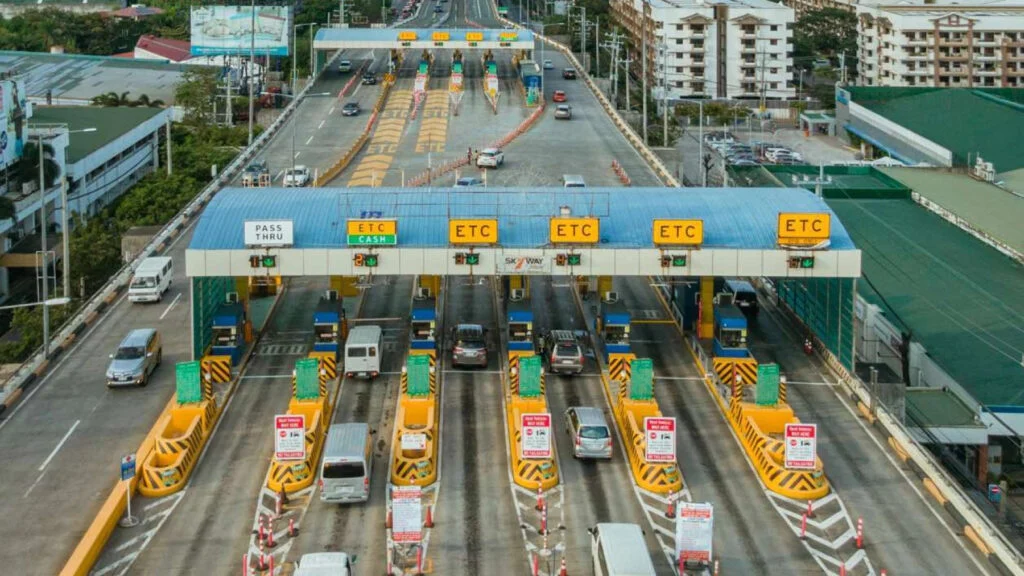
Instead of stopping at toll booths, vehicles pass through special ETC lanes where sensors read RFID tags. The system identifies the vehicle and deducts the toll fee from the linked account.
Key Features:
- No cash required
- No stopping at toll booths
- Automatic payment system
- Faster travel experience
- Reduced traffic congestion
This system is especially useful for daily drivers who use highways regularly.
What is an ETC Device?
An ETC device is a small electronic tag or sticker placed on a vehicle. In the Philippines, this is usually an RFID sticker installed on the windshield or headlamp.
How it works:
- Each RFID tag has a unique ID
- It is linked to a prepaid account
- When the vehicle passes a toll gate, sensors scan the tag
- The system deducts toll charges automatically
This device is very important because it connects your vehicle to the toll system.
History of ETC in the Philippines
Before the ETC system, toll collection in the Philippines was fully manual. Drivers had to stop at toll booths and pay cash. This caused:
- Long traffic lines
- Delays during peak hours
- Higher chances of accidents
- Difficulty in managing cash
Early Development
The journey of ETC in the Philippines started around 2000, when the government realized the need for a better toll system.
- First systems were introduced on major expressways
- Early versions included E-pass and EC-tag
- These systems were limited but effective
Expansion Phase
By 2005, ETC systems were expanded to more highways. Over time:
- More roads adopted ETC
- Technology improved
- RFID stickers replaced older systems
Modern Era
From 2016 onward, the system became more advanced:
- RFID-based tolling became standard
- Cashless payments were encouraged
- More drivers started using ETC
Today, ETC is widely used across major expressways in the Philippines.
How the ETC System Works
The ETC system is simple and user-friendly.
Step-by-Step Process:
- Get an RFID Tag
- Register your vehicle
- Install RFID sticker
- Load Your Account
- Add money using apps, banks, or online platforms
- Drive Through ETC Lane
- Sensors scan your RFID tag
- Automatic Deduction
- Toll fee is deducted instantly
- Check Transactions
- Use mobile apps or websites to track payments
This process takes only a few seconds, saving a lot of time.
Types of RFID Systems in the Philippines
There are mainly two types of RFID systems used:
1. Autosweep RFID
- Used on specific expressways
- Managed by private toll operators
2. Easytrip RFID
- Used on other major highways
- Covers different road networks
Interoperability
Now, the system is improving towards interoperability, meaning:
- One RFID can work on multiple expressways
- Drivers don’t need multiple accounts
This makes the system more convenient.
Benefits of Using ETC System
Electronic Toll Collection provides many benefits for drivers and the country.
1. Saves Time
Drivers don’t need to stop at toll booths. This reduces travel time significantly.
2. Reduces Traffic
No long lines at toll gates. Traffic flows smoothly.
3. Improves Safety
Less stopping means fewer accidents near toll areas.
4. Eco-Friendly
Less idling reduces fuel consumption and pollution.
5. Convenient
Drivers can manage accounts using mobile apps.
6. Accurate Payments
No human errors in toll collection.
7. Modern System
Supports digital and smart transportation.
Challenges of ETC System
Despite many benefits, ETC also has some challenges.
1. RFID Detection Issues
Sometimes sensors fail to read the tag properly.
2. Low Balance Problems
If balance is low, it may cause delays.
3. Installation Errors
Incorrect placement of RFID can create problems.
4. Limited Coverage
Not all roads have ETC lanes yet.
5. User Resistance
Some people still prefer cash payments.
Legal Framework of ETC in Philippines
The ETC system is supported by legal rules.
Key Law:
- Electronic Commerce Act of 2000
This law allows electronic transactions and supports digital systems like ETC.
Role of Authorities:
- Toll Regulatory Board manages toll systems
- Ensures fairness and transparency
- Sets rules for toll operations
Role of RFID Technology
RFID technology is the backbone of the ETC system.
How RFID Works:
- RFID tag sends signals
- Toll sensors receive signals
- System identifies the vehicle
- Charges are deducted
This technology is fast, reliable, and widely used worldwide.
Features of ETC System
The ETC system includes many advanced features:
1. Automatic Toll Deduction
2. Real-Time Monitoring
3. Mobile App Integration
4. Multi-Lane Support
5. Secure Transactions
6. Easy Installation
7. Online Account Management
These features make the system efficient and user-friendly.
Mobile Apps and Digital Access
Drivers can manage their ETC accounts using apps.
What you can do:
- Check balance
- View transaction history
- Reload account
- Update vehicle info
This adds convenience and control for users.
Recent Developments in ETC
The ETC system is improving every year.
Latest Updates:
- Mobile tracking apps
- Online payment integration
- Smart traffic management
- Dynamic toll pricing
- License plate recognition testing
These updates aim to make the system faster and smarter.
Tips For Drivers Using ETC
To avoid problems, follow these simple tips:
1. Check Balance Regularly
2. Install RFID Properly
3. Keep Account Updated
4. Use Official Reload Channels
5. Follow ETC Lane Rules
These steps ensure a smooth driving experience.
ETC and Smart Transportation
ETC is part of a bigger system called smart transportation.
It helps in:
- Reducing traffic
- Improving road efficiency
- Supporting digital payments
- Enhancing user experience
The Philippines is moving towards digital highways with ETC.
Future of ETC in the Philippines
The future of ETC looks very promising.
Expected Improvements:
- Full interoperability
- Expansion to more roads
- Better RFID technology
- AI-based traffic systems
- Faster toll processing
Government Plans:
- More digital integration
- Better user awareness
- Improved infrastructure
ETC will play a major role in modern transport systems.
Environmental Impact of ETC
ETC is also good for the environment.
Benefits:
- Less fuel consumption
- Reduced emissions
- Cleaner air
- Sustainable transport
This supports eco-friendly development.
Comparison: ETC vs Manual Toll System
| Feature | ETC System | Manual System |
|---|---|---|
| Speed | Fast | Slow |
| Payment | Cashless | Cash |
| Traffic | Low | High |
| Safety | High | Moderate |
| Convenience | Easy | Difficult |
Clearly, ETC is a better option.
Common Problems and Solutions
Problem: RFID not detected
Solution: Check installation
Problem: Low balance
Solution: Reload account
Problem: Wrong charges
Solution: Contact support
Problem: Tag damage
Solution: Replace RFID
ETC Policy: No RFID, No Entry
A strict rule is applied:
“No Valid ETC Device, No Entry”
This means:
- Vehicles must have RFID
- No cash lanes in some areas
- Helps reduce congestion
Customer Support and Services
Drivers can get help from:
- RFID installation centers
- Customer service hotlines
- Online support portals
Support services ensure smooth operation.
Why ETC is Important for the Philippines
ETC is important because:
- It improves road efficiency
- Reduces traffic problems
- Supports digital economy
- Enhances driver experience
It is a major step towards modernization.
FAQs About Electronic Toll Collection (ETC)
What is an Electronic Toll Collection (ETC) system?
Ans: Electronic Toll Collection (ETC) system is a modern way to pay toll fees without using cash or stopping your vehicle. It uses RFID technology to automatically deduct toll charges from your account when you pass through toll gates. This system helps drivers save time and avoid long traffic lines at toll booths.
How does the ETC system work in the Philippines?
Ans: The ETC system in the Philippines works by using an RFID sticker installed on your vehicle. When you drive through an ETC lane, sensors scan the sticker and identify your account. The toll fee is automatically deducted from your prepaid balance. This process takes only a few seconds and makes travel faster and easier.
What is an RFID sticker and why is it important?

Ans: An RFID sticker is a small electronic tag placed on your car’s windshield or headlamp. It contains a unique identification number linked to your toll account. This sticker is important because it allows the ETC system to recognize your vehicle and deduct toll fees automatically without stopping.
Is the ETC system mandatory in the Philippines?
Ans: Yes, in many toll roads in the Philippines, the ETC system is mandatory under the “No RFID, No Entry” policy. This means vehicles must have a valid RFID sticker to enter expressways. This rule helps reduce traffic congestion and improve the flow of vehicles on highways.
What are the benefits of using the ETC system?
Ans: The ETC system offers many benefits such as saving time, reducing traffic, and making travel more convenient. Drivers do not need to carry cash or wait in long lines. It also improves safety by reducing sudden stops and helps the environment by lowering fuel consumption and emissions.
What problems can users face with ETC?
Ans: Some users may face issues like RFID not being detected, low account balance, or incorrect installation of the sticker. These problems can cause delays at toll gates. However, most of these issues can be solved easily by checking the tag placement, reloading balance, or contacting customer support.
Can I use one RFID for all expressways?
Ans: The Philippines is working towards a system where one RFID can be used on all expressways. This is called interoperability. While progress has been made, some roads may still require specific RFID systems, but the goal is to make one unified system for all.
How can I check my ETC balance and transactions?
Ans: You can check your ETC balance and transaction history using mobile apps or online platforms provided by toll operators. These tools allow you to monitor your account, reload balance, and manage your vehicle information easily from your phone or computer.
Is the ETC system reliable?
Ans: Yes, the ETC system is generally reliable and widely used by drivers in the Philippines. It uses advanced RFID technology to ensure fast and accurate toll collection. While small issues may happen sometimes, the system continues to improve and provide a smooth driving experience.
What is the future of ETC in the Philippines?
Ans: The future of ETC in the Philippines looks very promising. The system will expand to more roads, improve technology, and offer better services for drivers. With smart traffic systems and digital integration, ETC will make travel faster, safer, and more efficient in the coming years.
Conclusion
Electronic Toll Collection (ETC) in the Philippines has made highway travel faster, easier, and more efficient. It removes the need for cash payments and reduces traffic at toll booths. With RFID technology, drivers can enjoy smooth and stress-free journeys. Although there are minor challenges, continuous improvements are making the system better. ETC is an important step toward modern and smart transportation, helping both drivers and the country move forward with convenience and innovation.