Temporary Operator’s Permit (TOP) Philippines 2026: Complete Guide For Drivers

Temporary Operator’s Permit (TOP) Philippines 2026. Driving on public roads comes with responsibilities. Every driver must follow traffic rules to keep roads safe for everyone. In the Philippines, the Land Transportation Office (LTO) manages driver licensing and traffic law enforcement. When a driver breaks a traffic rule, the LTO may confiscate the driver’s license. In such cases, the driver receives a Temporary Operator’s Permit (TOP).
A Temporary Operator’s Permit, commonly called a TOP, works as a short-term replacement for your driver’s license. It allows you to continue driving legally for a limited time while you settle your violation with the LTO.
This detailed guide explains everything about the Temporary Operator’s Permit, including its meaning, purpose, validity, types, penalties and the steps to settle your violation.
What Is a Temporary Operator’s Permit (TOP)?
A Temporary Operator’s Permit (TOP) is a document issued by the Land Transportation Office (LTO) when a driver commits a traffic violation and the officer confiscates the driver’s license.
It is sometimes called a pink slip or a traffic ticket. The TOP acts as a temporary permit that allows the driver to operate a motor vehicle legally for a short period.
The main purpose of the TOP is to give the driver time to settle the traffic violation and retrieve their confiscated driver’s license from the LTO office. The permit contains important information such as:
- Driver’s name
- Driver’s license number
- Date and time of apprehension
- Traffic violation committed
- Name of the apprehending officer
- LTO office where the violation must be settled
In simple words, the TOP works as a temporary driver’s license for a short time until the issue with the LTO is resolved.

Legal Basis of the Temporary Operator’s Permit
The Temporary Operator’s Permit is supported by Philippine laws related to transportation and electronic transactions.
The issuance of TOP follows Section 29 of Republic Act 4136, also known as the Land Transportation and Traffic Code. This law gives authorities the power to enforce traffic regulations and penalize drivers who violate them.
The electronic version of the permit is also related to Section 27 of Republic Act 8792, known as the Electronic Commerce Act. This law allows government agencies to use digital systems and electronic documents.
Because of these laws, the LTO introduced electronic Temporary Operator’s Permits (e-TOP) to improve the efficiency and transparency of traffic enforcement.
Why the LTO Issues a Temporary Operator’s Permit
The LTO issues a Temporary Operator’s Permit for several important reasons.
1. Temporary Driving Authorization
When a driver’s license is confiscated, the driver cannot legally drive without another document. The TOP provides temporary permission to drive for a short period.
2. Notice of Traffic Violation
The TOP informs the driver about the traffic rule they violated.
3. Reminder to Settle the Case
The document acts as a reminder that the driver must visit the LTO office and settle the violation.
4. Record of Apprehension
The TOP serves as official proof that the driver was apprehended by a traffic officer.
Validity of a Temporary Operator’s Permit
One of the most important things drivers must understand is the validity period of the Temporary Operator’s Permit.
A TOP is valid for 72 hours or three days from the time it is issued.
During this period, the driver can legally drive a motor vehicle while preparing to settle the violation with the LTO. However, drivers must remember the following rules:
- The TOP validity cannot be extended.
- After 72 hours, the driver must stop driving until the license is returned.
- Failure to settle the violation can lead to additional penalties.
Although the driver has 15 days to settle the violation, the permit to drive only lasts three days.
When Is a Temporary Operator’s Permit Issued?
A TOP is issued when a driver violates traffic laws or transportation regulations. Some common reasons include:
1. Reckless Driving
Driving in a dangerous way that may cause accidents.
2. Overspeeding
Driving faster than the allowed speed limit.
3. Ignoring Traffic Signals
Running a red light or ignoring road signs.
4. Illegal Parking
Parking in restricted areas or blocking traffic.
5. Not Carrying a Driver’s License
Driving without bringing your driver’s license.
6. Not Wearing Safety Gear
Not wearing a seatbelt or helmet when required.
When these violations occur, the traffic officer confiscates the driver’s license and issues the Temporary Operator’s Permit.
Manual Temporary Operator’s Permit
Before the digital system was introduced, traffic officers issued the manual Temporary Operator’s Permit. This permit comes from a four-copy booklet filled out by the apprehending officer. Each copy serves a different purpose.
Copies of the Manual TOP
1. Original Copy
The original copy is attached to the Daily Apprehension Report (DAR) and submitted to the LTO office for recording.
2. Pink Copy
This copy is given to the driver. It is commonly called the pink slip.
The driver must present this document when settling the violation.
3. Yellow Copy
The yellow copy is kept by the apprehending officer for personal records.
4. Blue Copy
The blue copy is submitted to the Commission on Audit (COA) Resident Auditor for monitoring. This system helps maintain proper documentation of traffic violations.
Electronic Temporary Operator’s Permit (e-TOP)
To improve efficiency, the LTO introduced the Electronic Temporary Operator’s Permit (e-TOP). Instead of writing tickets manually, officers now use handheld electronic devices to issue violations. The device prints the permit instantly and records the violation in the LTO system.
Advantages of e-TOP
The electronic system offers several benefits:
- Faster processing
- More accurate records
- Reduced paperwork
- Less risk of lost documents
- Improved transparency
Because the data is recorded digitally, the violation automatically becomes part of the driver’s record.
Manual TOP vs Electronic TOP
The two systems work in similar ways but have some differences.
| Feature | Manual TOP | Electronic TOP |
|---|---|---|
| Issuance Method | Handwritten citation ticket | Generated using electronic device |
| Data Recording | Recorded manually | Stored automatically in the system |
| Processing Time | Usually 15–20 minutes | Around 5–10 minutes |
| Payment | Requires visit to LTO office | Can be paid through digital payment systems |
| Convenience | More paperwork | Faster and easier |
| Transparency | Higher risk of paperwork errors | Data stored in central database |
Because of these advantages, the LTO is gradually shifting toward a fully digital system.
Situations When Manual TOP Is Still Used
Even though the electronic system is widely used, manual TOPs are still issued in certain situations. These include:
No Internet Connection
Some areas may have weak or no internet signal.
Device Technical Problems
Electronic handheld devices may stop working or run out of paper.
Lack of Equipment
Not all traffic officers may have electronic devices.
System Transition Period
During system upgrades or transitions, manual tickets may be used temporarily. The manual system ensures that traffic enforcement continues even if digital tools are unavailable.
Rights of Drivers With a Temporary Operator’s Permit
Drivers who receive a TOP still have certain rights.
You Can Continue Driving for 72 Hours
You can legally drive during the permit’s validity period.
You Can Settle or Contest the Violation
You can visit the LTO office and either pay the fine or contest the violation.
You Can Retrieve Your License
Once the violation is settled, the LTO returns your driver’s license. These rights help drivers resolve their case properly.
Limitations of the Temporary Operator’s Permit
Although the TOP allows temporary driving, it has strict limitations.
It Is Not a Permanent License
The TOP only replaces your license temporarily.
It Cannot Be Used as an ID
The document is only for driving authorization.
It Has a Short Validity
Once it expires, you cannot drive legally. Drivers must understand these limits to avoid further penalties.
How to Settle a Violation After Receiving a TOP
Drivers should act quickly after receiving a Temporary Operator’s Permit. Follow these steps.
Step 1: Check the LTO Office
Look at the TOP to find the LTO office where you must settle your case.
Step 2: Prepare Your Documents
Bring the following documents:
- Temporary Operator’s Permit
- Valid identification
- Any supporting documents if you want to contest the violation
Step 3: Visit the LTO Office
Go to the office listed on the TOP.
Step 4: Pay the Fine or Contest the Violation
You can either pay the penalty or request a hearing if you believe the violation is incorrect.
Step 5: Claim Your License
After settling the issue, the LTO will return your driver’s license. Handling the matter early helps avoid bigger problems later.
Penalties for Driving With an Expired TOP
Driving with an expired Temporary Operator’s Permit is illegal. If you continue driving after the permit expires, you may face serious penalties. Possible consequences include:
- Fines for driving without a valid license
- Additional traffic penalties
- Suspension of your driver’s license
- Vehicle impoundment
Many drivers mistakenly think the TOP works like a regular license. However, once the 72 hours expire, the driver no longer has legal permission to drive.
Digital Systems and the LTMS Portal
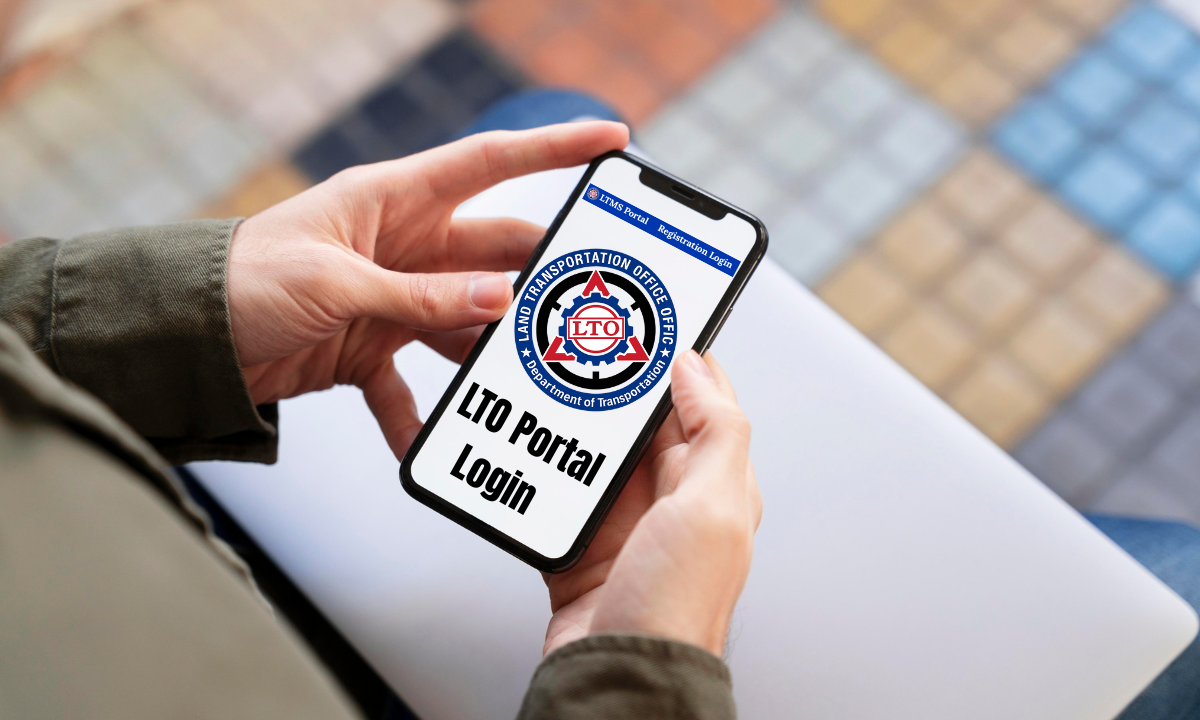
The Land Transportation Management System (LTMS) is a digital platform used by the LTO.
This system allows drivers to manage their records online. Through the LTMS portal, drivers can:
- Check traffic violations
- View their driving records
- Pay fines online
- Track license status
- Schedule appointments
The LTMS system helps make the process faster and more transparent.
Importance of Following Traffic Rules
Traffic laws exist to protect everyone on the road.
- Breaking these rules can lead to accidents, injuries, and penalties.
Receiving a Temporary Operator’s Permit should serve as a reminder to drive responsibly. Drivers should always:
- Follow speed limits
- Respect traffic signals
- Wear seatbelts and helmets
- Avoid reckless driving
- Carry a valid driver’s license
Responsible driving keeps roads safer for everyone.
FAQs About Temporary Operator’s Permit
What is a Temporary Operator’s Permit (TOP)?
Ans: A Temporary Operator’s Permit (TOP) is a document issued by the Land Transportation Office (LTO) when a driver commits a traffic violation and the officer confiscates the driver’s license. It allows the driver to continue driving legally for a short period while giving them time to settle the violation and retrieve their license from the LTO office.
How long is a Temporary Operator’s Permit valid?
Ans: A Temporary Operator’s Permit is valid for seventy two (72) hours or three days from the time it is issued. During this period, the driver can legally drive a motor vehicle while preparing to settle the violation with the LTO. After the validity period ends, the driver is no longer allowed to drive until the license is returned.
Can I drive using a Temporary Operator’s Permit?
Ans: Yes, a driver can legally drive using a Temporary Operator’s Permit but only within its validity period. The permit acts as a temporary replacement for the confiscated driver’s license and allows the driver to continue operating a vehicle for up to three days while resolving the violation with the LTO.
What happens if my Temporary Operator’s Permit expires?
Ans: If a Temporary Operator’s Permit expires and the driver continues to drive, it will be considered driving without a valid license. This can result in additional fines, penalties, or even vehicle impoundment. Drivers should settle their violation quickly to avoid further legal problems.
Where should I settle my traffic violation after receiving a TOP?
Ans: After receiving a Temporary Operator’s Permit, the driver must visit the LTO office indicated on the permit. The driver should bring the TOP document and any required identification to process the settlement of the violation and recover their confiscated driver’s license.
Can I contest a traffic violation written on my TOP?
Ans: Yes, drivers have the right to contest a traffic violation if they believe it was issued incorrectly. The driver must visit the designated LTO office and request a hearing or review of the violation. During this process, the driver can present evidence or explain their side before the final decision is made.
What information is included in a Temporary Operator’s Permit?
Ans: A Temporary Operator’s Permit usually contains important details such as the driver’s name, driver’s license number, the type of traffic violation committed, the date and time of apprehension, the name of the traffic officer, and the LTO office where the violation should be settled.
What is the difference between a driver’s license and a Temporary Operator’s Permit?
Ans: A driver’s license is a long term authorization that allows a person to drive legally for several years after passing the required tests. A Temporary Operator’s Permit, on the other hand, is only a short term document issued when a driver commits a traffic violation and their license is confiscated.
Can a Temporary Operator’s Permit be used as an identification card?
Ans: No, a Temporary Operator’s Permit cannot be used as a valid identification card. It only serves as a temporary authorization that allows the driver to operate a motor vehicle for a limited period while settling a traffic violation.
What should I do immediately after receiving a Temporary Operator’s Permit?
Ans: After receiving a Temporary Operator’s Permit, the driver should carefully read the details written on the document and note the LTO office where the violation must be settled. The driver should visit that office as soon as possible, pay the required fine or process the violation, and retrieve their driver’s license to avoid additional penalties.
Conclusion
The Temporary Operator’s Permit (TOP) is an important document issued by the Land Transportation Office (LTO) in the Philippines when a driver commits a traffic violation and their license is confiscated. It allows the driver to continue driving legally for 72 hours while they settle the violation. However, it is only a temporary permit and cannot replace a real driver’s license. Drivers must visit the LTO office, pay the required fine, and claim their license on time. Understanding the TOP rules helps drivers avoid extra penalties and encourages safer and more responsible driving on the road.