LTO Conductor Reorientation Course Exam Reviewer 2026: Complete Guide For New Conductors
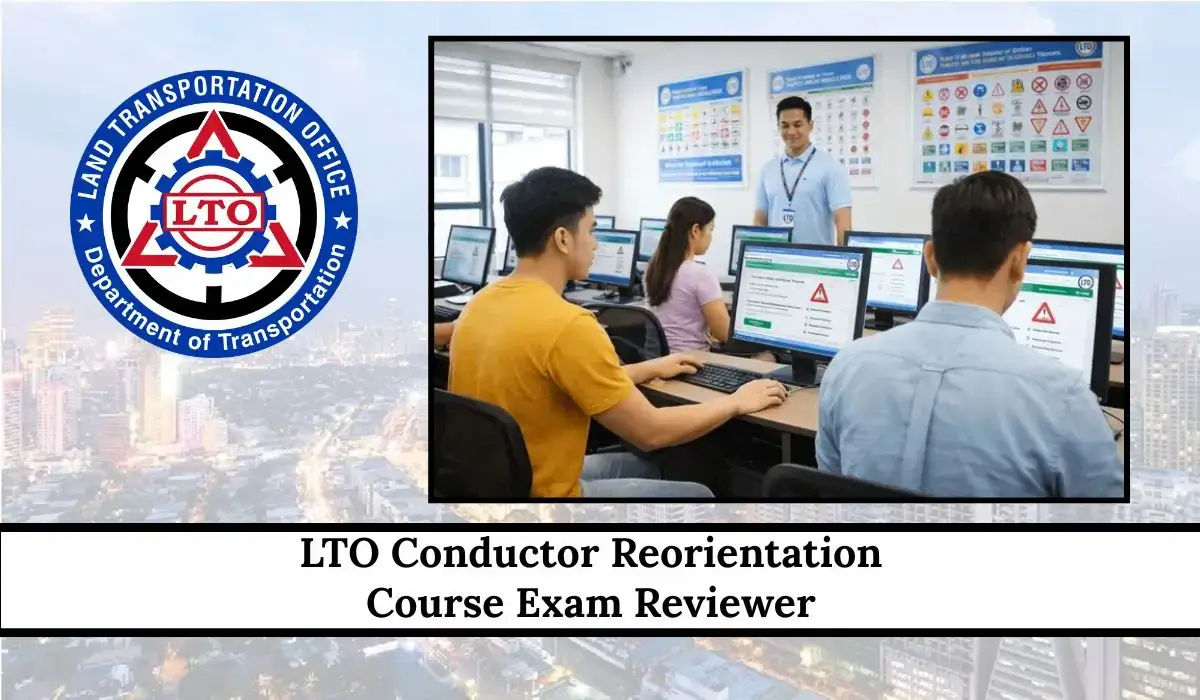
LTO Conductor Reorientation Course Exam Reviewer 2026. Working as a public transport conductor is not an easy job. Every day, conductors meet many passengers with different attitudes, needs and situations. Some passengers are students rushing to school, some are workers going home tired from work, while others are senior citizens, pregnant women, or persons with disabilities who need extra assistance. Because of this, conductors play a very important role in keeping every trip safe, organized, and comfortable.
In the Philippines, the Land Transportation Office or Land Transportation Office requires conductors to undergo proper training and pass the Conductor Reorientation Course Exam before they can legally work or renew their conductor’s license. This process helps ensure that conductors understand traffic laws, passenger safety, proper fare collection, emergency procedures, and professional behavior.
This detailed reviewer is designed to help future and current conductors prepare for the LTO Conductor Reorientation Course Exam in an easier and more understandable way. Instead of using difficult words, this guide explains everything in simple way so that every learner can understand the lessons properly.
What is the LTO Conductor Reorientation Course Exam?
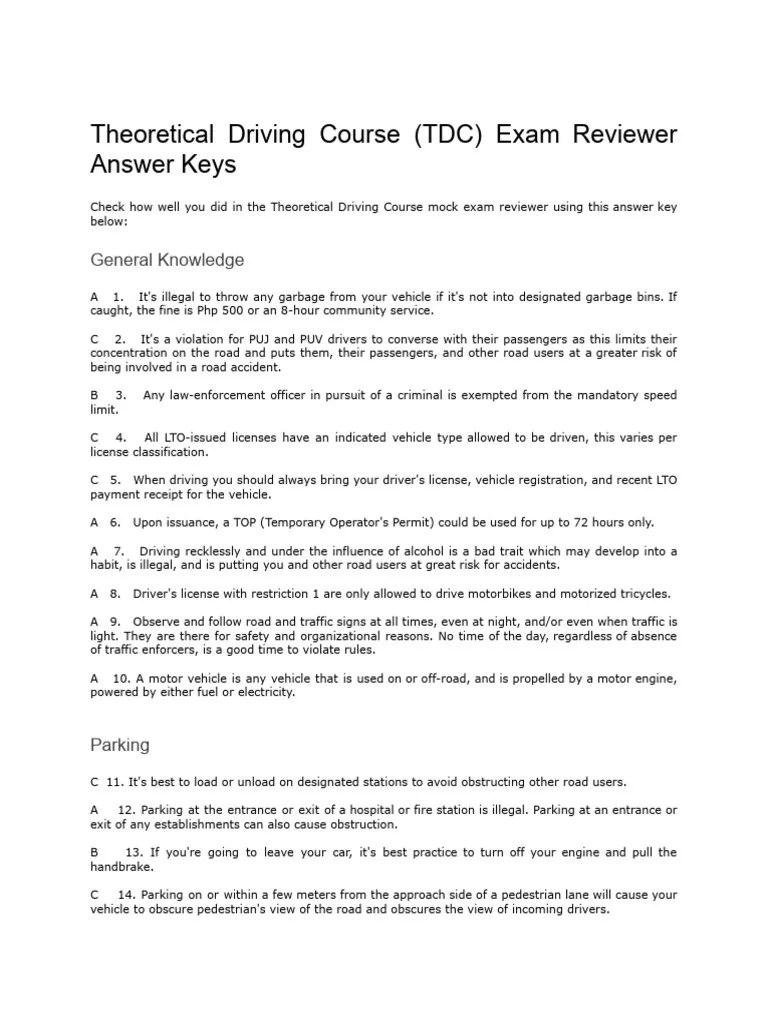
The LTO Conductor Reorientation Course Exam is an assessment given to conductors after completing the required orientation or enhancement seminar. The exam checks whether a conductor understands the duties, responsibilities, and safety practices needed while working in public transportation. The test is usually composed of multiple-choice questions about:
- Passenger safety
- Traffic rules
- Fare collection
- Professional conduct
- Emergency procedures
- Public transport laws
- Proper handling of passengers
The purpose of the exam is not to make applicants fail. Instead, it helps ensure that conductors can properly serve passengers and follow transportation regulations. Passing the exam means that the conductor is qualified to work legally and responsibly in the transport industry.
Why the LTO Conductor Reorientation Course is Important
Many people think the conductor’s job is only about collecting fares or giving tickets. In reality, conductors have many important responsibilities inside public utility vehicles.
A conductor helps maintain peace and order inside the vehicle. They assist passengers, prevent overloading, ensure proper boarding and unloading, and respond during emergencies. The reorientation course is important because it helps conductors:
- Learn updated traffic laws
- Improve passenger service skills
- Understand safety procedures
- Avoid violations and penalties
- Become more professional at work
- Build better communication skills
- Learn how to handle emergencies calmly
A good conductor helps make every trip safer and smoother for both passengers and drivers.
Who Needs to Take the Conductor Reorientation Course Exam?
The following individuals usually need to take the examination:
| Applicant Type | Reason |
|---|---|
| First-time conductor applicants | Required before getting a conductor’s license |
| License renewal applicants | Needed to renew expired or expiring licenses |
| Conductors with violations | Required after complaints or transport violations |
| Company-required training participants | Some transport companies require regular reorientation |
The seminar and exam are designed to improve service quality and road safety, not to punish workers.
What is a Conductor’s License?
A Conductor’s License is an official permit issued by the Land Transportation Office that allows a person to legally work as a conductor in the Philippines.
This license proves that the conductor has enough knowledge and training to assist drivers and passengers safely.
Without this license, a person cannot legally work as a transport conductor in public utility vehicles.
Duties and Responsibilities of a Conductor
Conductors have many daily responsibilities. Their duties go beyond simply collecting fares.
Passenger Assistance
Conductors help passengers board and leave the vehicle safely. They also assist elderly passengers, pregnant women, sick passengers, and persons with disabilities.
Fare Collection
Conductors collect fares properly, provide tickets, and return correct change to passengers.
Safety Monitoring
Conductors make sure passengers follow safety rules such as sitting properly and not blocking aisles.
Door Management
They open and close vehicle doors safely during passenger boarding and unloading.
Emergency Response
In accidents or emergencies, conductors help passengers stay calm and safe.
Baggage Assistance
They ensure passenger baggage is properly placed and secured.
Communication with Drivers
Conductors signal drivers when passengers are boarding or unloading.
Main Topics Covered in the Exam
The LTO Conductor Reorientation Course Exam covers situations that conductors experience every day.
Topics Included in the Exam
- Road and traffic rules
- Passenger courtesy
- Fare handling
- Emergency procedures
- Work ethics
- Public transportation laws
- Passenger safety
- Traffic violations
- Alcohol and drug laws
- Proper loading and unloading
- Vehicle safety inspections
Module 1: Road and Traffic Rules
Understanding traffic rules is one of the most important parts of the exam. Conductors must understand traffic signs, loading zones, parking rules, and passenger safety laws.
Important Traffic Rules
No Overloading
Passengers should never exceed the authorized seating capacity. Overloading is dangerous because it can cause accidents, imbalance, and discomfort.
Proper Loading and Unloading
Passengers should only board and leave the vehicle at designated loading and unloading areas.
No Standing in the Aisle
Passengers are not allowed to stand in the aisle while the bus is moving.
Seatbelt Rules
Passengers sitting in front seats must wear seatbelts at all times.
Early Warning Device (EWD)
Vehicles with four wheels or more must carry Early Warning Devices for emergencies or breakdowns.
Common Traffic Signs Conductors Should Know
| Traffic Sign | Meaning |
|---|---|
| Stop Sign | Vehicle must completely stop |
| No Parking | Parking is prohibited |
| Pedestrian Crossing | Watch for pedestrians |
| Speed Limit | Maximum allowed speed |
| No Loading/Unloading | Passengers cannot board or leave |
| One Way | Traffic moves in one direction only |
Understanding traffic signs helps conductors avoid violations and accidents.
Module 2: Passenger Courtesy and Service
Passenger service is one of the biggest responsibilities of a conductor. Good conductors treat passengers with patience, kindness, and respect.
Important Passenger Service Skills
Speak Politely
Always use respectful language while talking to passengers.
Help Vulnerable Passengers
Assist:
- Senior citizens
- Pregnant women
- Students
- Sick passengers
- Persons with disabilities (PWDs)
Stay Calm During Arguments
Some passengers may become angry or impatient. Conductors should remain calm and avoid fighting.
Respect Every Passenger
All passengers deserve fair and respectful treatment.
Passenger Discounts Every Conductor Must Know
Under Philippine law, the following passengers are entitled to fare discounts:
| Passenger Type | Discount |
|---|---|
| Senior Citizens | 20% |
| Persons with Disabilities (PWDs) | 20% |
| Students | Discount depending on policy |
Conductors must apply discounts correctly and honestly.
Module 3: Proper Fare Handling
Fare collection is an important part of the conductor’s daily work. Mistakes in handling fares may lead to passenger complaints or company penalties.
Proper Fare Collection Guidelines
Give Correct Change
Always prepare enough coins and small bills.
Follow Official Fare Rates
Never overcharge or undercharge passengers.
Issue Tickets Properly
Passengers should receive tickets or proof of payment when required.
Record Fares Correctly
Maintain accurate records of collected fares.
Common Fare Handling Mistakes
Avoid these common mistakes:
- Keeping passenger change
- Overcharging fares
- Forgetting to issue tickets
- Using unofficial fare rates
- Arguing with passengers about fare prices
Professional conductors always remain honest and transparent.
Module 4: Emergency Procedures
Conductors must know how to respond during emergencies. Passengers depend on conductors and drivers during accidents or dangerous situations.
What to Do During an Accident
If the bus is involved in an accident and the conductor is unharmed:
- Stay calm
- Assist injured passengers
- Ask for emergency help
- Help passengers leave safely if needed
- Coordinate with authorities
- Keep passengers calm
Never abandon injured passengers.
Vehicle Breakdown Procedures
If the vehicle becomes disabled on the highway:
- Move the vehicle away from traffic if possible
- Use Early Warning Devices
- Inform authorities or company personnel
- Keep passengers safe
- Wait for proper assistance
Important Emergency Equipment
Public utility vehicles should have:
| Equipment | Purpose |
|---|---|
| Fire Extinguisher | Used during fire emergencies |
| Early Warning Device | Warns approaching vehicles |
| Emergency Exit | Helps passengers escape safely |
| Seatbelts | Protect passengers from injuries |
Module 5: Work Ethics and Professional Conduct
Professional behavior is very important in the transport industry. Conductors represent both the transport company and the public transport system.
Good Work Ethics
Wear Proper Uniform
Conductors should wear clean and proper uniforms for easy identification.
Be Respectful
Avoid rude or aggressive behavior.
Stay Honest
Never steal passenger belongings or manipulate fares.
Be Responsible
Always prioritize passenger safety.
Proper Appearance of a Conductor
A professional conductor should:
- Wear company-issued uniform
- Maintain cleanliness
- Look neat and presentable
- Follow company grooming policies
Passengers feel safer when conductors appear professional.
LTO Conductor Exam Reviewer Questions and Answers
Below are some important reviewer questions commonly included in the examination.
Question 1
How much fare discount is granted to Senior Citizens and PWDs?
Correct Answer:
20% discount for both Senior Citizens and PWDs.
Question 2
Where should passengers load and unload?
Correct Answer:
Only at designated loading and unloading zones.
Question 3
What should a conductor do during an accident?
Correct Answer:
Assist injured passengers and ask for help.
Question 4
What is overloading?
Correct Answer:
Accepting passengers beyond the authorized vehicle capacity.

Question 5
Can passengers stand inside the aisle while the bus is moving?
Correct Answer:
No, passengers are not allowed to stand in the aisle.
Question 6
What should conductors do with lost passenger belongings?
Correct Answer:
Surrender the item to the office or terminal for proper turnover.
Question 7
What is the conductor’s first responsibility?
Correct Answer:
Passenger safety and baggage security.
Question 8
What is prohibited inside buses?
Correct Answer:
Hazardous materials such as gasoline and LPG.
Important Philippine Transportation Laws
Conductors should understand important transportation laws to avoid violations.
RA 9994 – Expanded Senior Citizens Act
This law gives senior citizens benefits including transportation discounts. Important Benefit:
- 20% transportation fare discount
RA 9442 – Magna Carta for Disabled Persons
This law protects the rights of persons with disabilities. Important Benefit:
- 20% transportation fare discount
RA 10586 – Anti-Drunk and Drugged Driving Act
This law penalizes drivers operating vehicles while intoxicated.
Important Terms
| Term | Meaning |
|---|---|
| BAC | Blood Alcohol Concentration |
| Alcohol Breath Analyzer | Device used to test alcohol level |
| Field Sobriety Test | Initial intoxication assessment |
Types of Field Sobriety Tests
Walk-and-Turn Test
The driver walks heel-to-toe in a straight line.
One-Leg Stand
The driver stands on one leg for several seconds.
Eye Test
Checks eye movement or horizontal gaze nystagmus.
Philippine Clean Air Act of 1999
According to this law: “Every citizen has the right to breathe clean air.” Conductors and drivers should help reduce pollution by:
- Avoiding overloading
- Maintaining vehicle condition
- Following emission regulations
Common Violations Conductors Should Avoid
| Violation | Possible Result |
|---|---|
| Overloading passengers | Fines and penalties |
| Overcharging fares | Passenger complaints |
| Improper unloading | Accidents |
| Reckless behavior | License suspension |
| Operating unsafe vehicles | Vehicle confiscation |
Importance of Passenger Safety
Passenger safety should always come first. A conductor should:
- Ensure doors are closed before moving
- Assist passengers during boarding
- Prevent dangerous behavior
- Monitor overcrowding
- Keep aisles clear
Safety saves lives.
Proper Handling of Passenger Baggage
Large baggage should always be placed inside baggage compartments. Conductors should avoid:
- Blocking aisles
- Placing baggage on seats
- Allowing dangerous materials inside the bus
Why Professional Conduct Matters
Professional conduct improves:
- Passenger trust
- Public transportation reputation
- Workplace relationships
- Passenger comfort
- Safety standards
Good conductors create positive travel experiences.
Common Mistakes During the Exam
Many applicants fail because they rush or misunderstand questions.
Memorizing Without Understanding
Understand the situation behind the question.
Rushing the Exam
Read every question carefully.
Ignoring Safety
Most questions focus on passenger safety.
Panicking
Stay calm and think carefully.
Effective Study Tips for Passing the Exam
Preparing properly increases your chance of passing.
Attend the Seminar Carefully
Many exam questions come directly from the orientation.
Practice Reviewer Questions
Review common exam situations daily.
Understand the Duties
Imagine real-life passenger situations.
Stay Relaxed
Confidence helps improve concentration.
Benefits of Passing the LTO Conductor Exam
Passing the exam gives many advantages.
Main Benefits
- Legal employment as a conductor
- Easier license renewal
- Improved passenger service skills
- Better job opportunities
- Increased confidence
- Fewer passenger complaints
- Better understanding of traffic laws
What Happens if You Fail the Exam?
Failing the exam does not mean you can never apply again.
Retake Rules
| Attempt | Waiting Time |
|---|---|
| First failure | Retake after 1 month |
| Second failure | Retake within 1 year |
| Third failure | Wait 2 years |
Applicants should use the waiting period to study harder and improve understanding.
Passing Score for the Exam
Most conductor examinations require at least:
| Exam Requirement | Details |
|---|---|
| Passing Score | Usually 75% to 80% |
| Exam Type | Multiple Choice |
| Seminar Requirement | Mandatory orientation course |
Practical Tips for Conductors While Working
Here are some of these tips:
Before the Trip
- Check passenger seats
- Inspect emergency equipment
- Prepare enough change
- Ensure vehicle cleanliness
During the Trip
- Assist passengers properly
- Follow fare rules
- Monitor passenger safety
- Stay respectful
After the Trip
- Check for lost belongings
- Ensure no passengers remain sleeping
- Turn over lost items properly
Good Habits Every Conductor Should Develop
| Good Habit | Why It Matters |
|---|---|
| Being polite | Improves passenger relationships |
| Staying patient | Prevents conflict |
| Following rules | Avoids penalties |
| Helping passengers | Improves safety |
| Maintaining honesty | Builds trust |
Why Conductors Are Important in Public Transportation
Conductors are one of the most important people in the transportation system. Without conductors:
- Passenger safety may decrease
- Boarding may become disorganized
- Fare collection may become problematic
- Emergency response may become slower
Conductors help maintain order, safety, and comfort during travel.
FAQs
What is the LTO Conductor Reorientation Course Exam?
Ans: The LTO Conductor Reorientation Course Exam is an assessment given to conductors after attending the required orientation or enhancement seminar. The purpose of the exam is to check if conductors understand traffic rules, passenger safety, fare handling, emergency procedures, and proper conduct while working in public transportation. It helps ensure that conductors are qualified to serve passengers safely and responsibly.
Who needs to take the LTO Conductor Reorientation Course?
Ans: The course is required for first-time conductor applicants, conductors renewing their licenses, and individuals who were asked by the LTO or their transport company to attend additional training because of violations or complaints. Some transport companies also require regular reorientation seminars to improve service quality and passenger safety.
What topics are included in the conductor exam?
Ans: The exam usually includes questions about road and traffic rules, passenger courtesy, fare collection, emergency procedures, work ethics, loading and unloading rules, passenger safety, public transportation laws, and conductor responsibilities. Most questions are based on real-life situations that conductors experience during daily work.
What is the passing score for the LTO conductor exam?
Ans: The passing score for the conductor examination is usually around 75% to 80%, depending on the latest LTO guidelines. Applicants must answer most questions correctly to pass the exam and qualify for a conductor’s license. Reviewing the lessons carefully before taking the exam can greatly improve the chance of passing.
What happens if I fail the conductor exam?
Ans: If an applicant fails the examination, they are still allowed to retake it after a waiting period. Usually, the first retake can be done after one month. If the applicant fails again, another retake may be allowed within one year. Continuous failure may result in a longer waiting period before reapplying again.
Why is passenger safety important for conductors?
Ans: Passenger safety is the main responsibility of every conductor. Conductors must make sure passengers board and leave the vehicle safely, avoid overloading, assist elderly and disabled passengers, and respond properly during emergencies or accidents. A conductor’s actions can help prevent injuries and make every trip safer for everyone.
Can a conductor drive a public utility vehicle during emergencies?
Ans: No, a conductor’s license does not give authority to drive a vehicle. Only licensed drivers are legally allowed to operate public utility vehicles. Even during emergencies, conductors cannot replace drivers unless they have the proper professional driver’s license required by law.
What should a conductor do if a passenger leaves belongings inside the bus?
Ans: If a passenger accidentally leaves personal belongings inside the bus, the conductor should immediately surrender the item to the company office, terminal, or proper authority for turnover. Conductors should never keep lost items because honesty and professionalism are important parts of the job.
Why is the conductor reorientation course important?
Ans: The reorientation course is important because it refreshes the knowledge and skills of conductors regarding traffic laws, passenger management, safety procedures, and professional behavior. It also helps conductors become more responsible and confident while handling passengers and difficult situations during work.
How can I prepare effectively for the LTO conductor exam?
Ans: The best way to prepare for the exam is to attend the seminar carefully, review common exam questions, understand real-life passenger situations, and study traffic and safety rules. Instead of only memorizing answers, applicants should focus on understanding why certain actions are correct because most questions are based on practical situations experienced by conductors every day.
Conclusion
The LTO Conductor Reorientation Course Exam is designed to help conductors become more responsible, professional, and safety-conscious while working in public transportation. The exam may look difficult at first, but most questions are based on everyday situations that conductors experience regularly. If you understand the lessons, stay calm, and focus on passenger safety, you can pass the exam successfully.