When Is It Allowed To Overtake On A Curve? Complete Guide For Drivers 2026
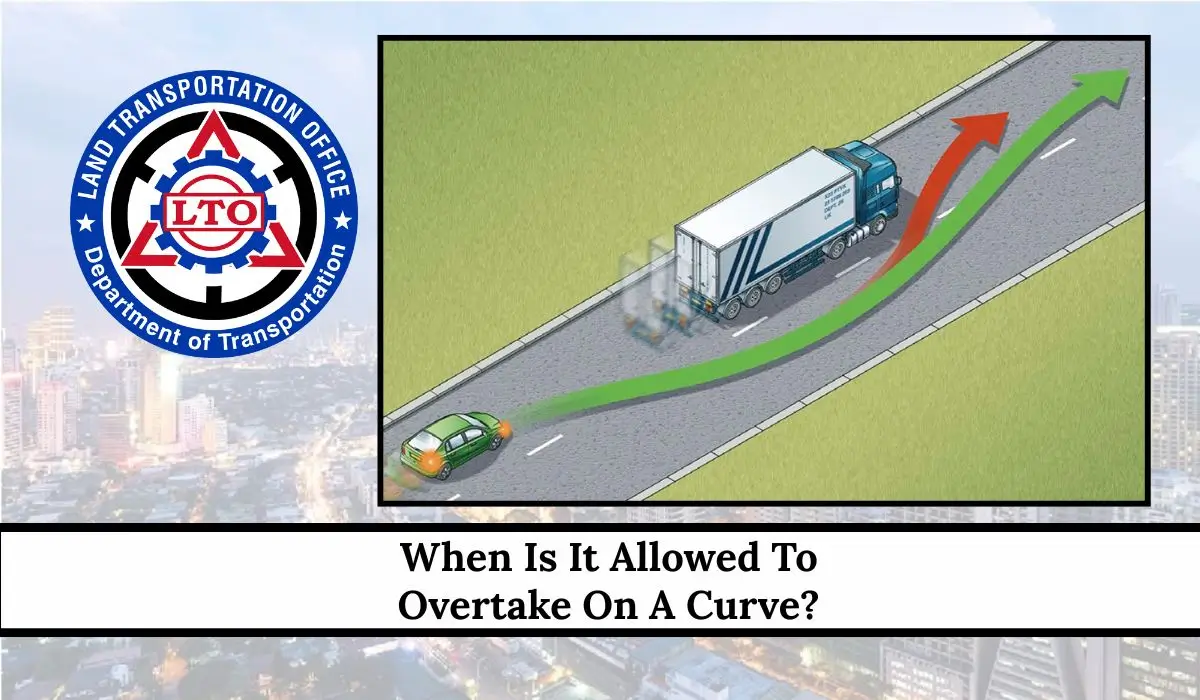
When Is It Allowed To Overtake On A Curve? Overtaking is one of the most common driving maneuvers on the road. Many drivers do it every day without giving it much thought. However, overtaking can also become one of the most dangerous actions if it is done in the wrong place or at the wrong time. One of the biggest questions many drivers ask is: When is it allowed to overtake on a curve?
This is an important topic because road curves limit visibility and increase the risk of accidents. A driver may think the road ahead is clear, but another vehicle could suddenly appear from the opposite direction. That is why traffic authorities and road safety experts strongly regulate overtaking on curves and hills.
According to the Philippine Land Transportation and Traffic Code or Republic Act 4136, overtaking on a curve is generally prohibited if the driver’s view is blocked within a distance of 500 feet ahead. The law exists to protect drivers, passengers, pedestrians, and other road users from serious accidents.
In this detailed guide, you will learn everything about overtaking on curves, including Philippine traffic laws, safe overtaking tips, dangerous mistakes drivers make, penalties for violations and the correct way to pass another vehicle safely.
What Does Overtaking Mean?
Overtaking means passing another vehicle that is traveling in the same direction as you. Usually, a driver changes lanes temporarily, passes the slower vehicle, and then safely returns to the original lane. At first glance, overtaking may seem very simple. However, it requires:
- Good judgment
- Proper timing
- Clear road visibility
- Safe acceleration
- Awareness of surrounding traffic
A single mistake during overtaking can lead to serious crashes, especially on curves, hills, intersections, and narrow roads. Drivers often overtake because:
- The vehicle ahead is moving slowly
- Traffic flow is delayed
- The driver wants to maintain speed
- Large vehicles are blocking visibility
Even though overtaking is common, it should never be done carelessly. Safe overtaking depends on road conditions, traffic signs, visibility, and driver discipline.
Why Overtaking on a Curve Is Dangerous
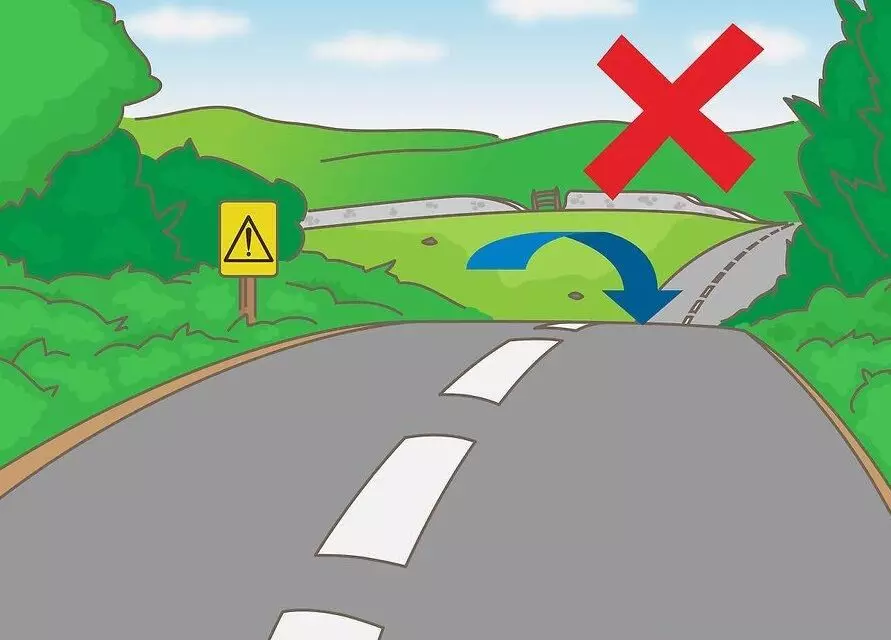
Curved roads create blind spots that prevent drivers from seeing what is ahead. This limited visibility is the main reason overtaking on curves is dangerous. When a driver attempts to overtake on a curve, several risks immediately increase.
Limited Visibility
A curve blocks the driver’s view of oncoming traffic. You may not see another car, motorcycle, truck, cyclist, or pedestrian approaching from the opposite side. By the time you notice them, it may already be too late to avoid a collision.
Reduced Reaction Time
On straight roads, drivers have more time to react. On curves, reaction time becomes shorter because vehicles suddenly appear without warning. This creates panic situations where drivers may:
- Brake too hard
- Lose control
- Swerve dangerously
- Crash head-on
Higher Chance of Head-On Collisions
Head-on crashes are among the deadliest road accidents. Overtaking on blind curves increases the chance of this type of collision. Even experienced drivers cannot always judge speed and distance correctly on curved roads.
Poor Road Conditions
Many curves also have:
- Uneven pavement
- Slippery surfaces
- Loose gravel
- Narrow lanes
- Sharp turns
These conditions make overtaking even more dangerous.
Unexpected Hazards
Drivers may suddenly encounter:
- Pedestrians
- Animals
- Parked vehicles
- Broken-down cars
- Road construction
- Motorcycles entering the lane
Curves hide these hazards until the last second.
Republic Act 4136 and Overtaking Rules
In the Philippines, road safety laws are mainly covered under Republic Act No. 4136, also called the Land Transportation and Traffic Code. This law explains:
- Driver responsibilities
- Vehicle regulations
- Traffic rules
- Road safety standards
- Overtaking regulations
Sections 39 to 41 specifically discuss overtaking and passing vehicles. The goal of these rules is simple: prevent accidents and improve traffic safety.
Main Overtaking Rules Under RA 4136
Here are the most important overtaking rules drivers must follow.
Pass on the Left Side
Drivers should overtake using the left side of the road whenever possible. After safely passing, the driver should only return to the original lane when there is enough space.

Maintain Safe Distance
Drivers must maintain enough distance from the vehicle they are overtaking. Cutting too close after passing is dangerous and illegal.
Give Way to Overtaking Vehicles
If another vehicle is trying to overtake you:
- Stay calm
- Avoid speeding up
- Allow the vehicle to pass safely
Blocking overtaking vehicles increases accident risks.
Follow Road Signs
Drivers must obey all traffic signs and pavement markings. If the road has:
- Solid yellow lines
- Double yellow lines
- No overtaking signs
then overtaking is prohibited.
When Is It Allowed To Overtake On A Curve?
In general, overtaking on a curve is prohibited because visibility is limited. However, there are a few exceptions where overtaking may be allowed.
1. The Road Has Multiple Lanes
If the road has two or more lanes moving in the same direction, overtaking may be allowed even on curves. This is because drivers do not need to enter the opposite lane. Examples include:
- Highways
- Expressways
- Multi-lane roads
2. Visibility Is Completely Clear
A driver must have a clear and unobstructed view far ahead before attempting to overtake. If visibility is blocked within 500 feet, overtaking is prohibited.
3. Broken Lane Markings Are Present
Broken lane markings usually indicate that overtaking is allowed if conditions are safe. Solid lines mean no overtaking.
4. No Oncoming Traffic Is Present
Drivers should only overtake if the opposite lane is completely clear. Even a small miscalculation can become deadly.
5. Speed Is Safe and Controlled
Drivers must stay fully in control during overtaking. Aggressive speeding increases accident risks.
Situations Where Overtaking Is Strictly Prohibited
There are several places where overtaking is never allowed.
1. Blind Curves
Blind curves prevent drivers from seeing ahead. This is one of the most dangerous places to overtake.
2. Hills and Crests
Drivers should never overtake while approaching the top of a hill. Visibility becomes blocked near the crest.
3. Railway Crossings
Overtaking near railway crossings is prohibited because trains and traffic movements create high risks.
4. Intersections
Passing at intersections is generally illegal unless traffic officers or signals permit it.
5. No Overtaking Zones
Road signs and pavement markings clearly identify these zones. Drivers must always obey them.
6. Construction Areas
Roadwork areas may contain:

- Workers
- Equipment
- Lane changes
- Obstacles
Overtaking in these areas is dangerous.
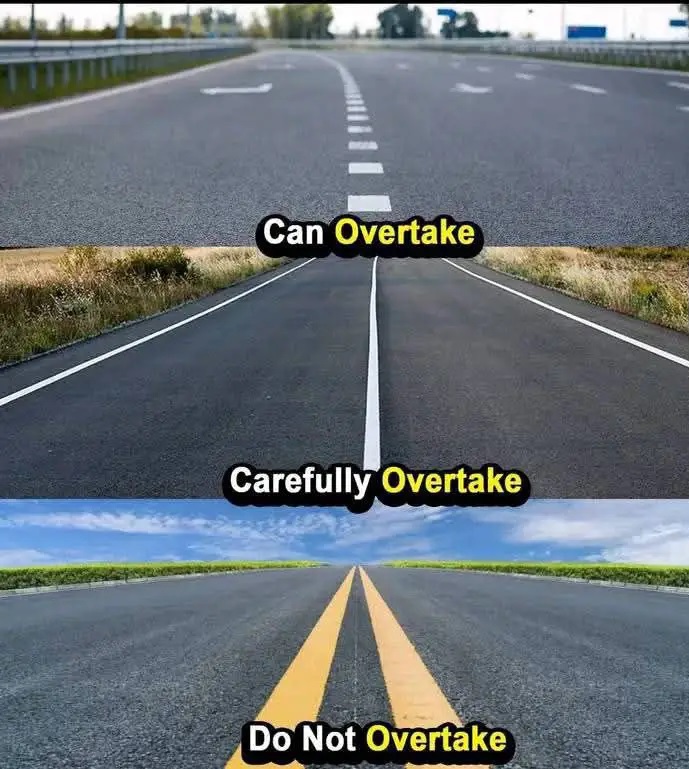
Understanding Road Markings
Road markings help drivers understand when overtaking is allowed.
Broken Yellow Line
A broken yellow line usually means overtaking is allowed if safe. Drivers must still check visibility and traffic conditions.
Single Solid Yellow Line
A single solid yellow line means overtaking is restricted. Drivers should avoid crossing it.
Double Solid Yellow Lines
Double solid yellow lines strictly prohibit overtaking. Crossing them is illegal and dangerous.
Safe Overtaking Techniques
Overtaking should always be done carefully and responsibly. Here are the safest ways to overtake another vehicle.
Step 1: Keep Safe Distance
Maintain enough distance behind the vehicle ahead. This gives you:
- Better visibility
- More reaction time
- Safer braking distance
Driving too close is dangerous.
Step 2: Check Traffic Ahead
Before overtaking, check:
- Oncoming vehicles
- Road signs
- Curves
- Intersections
- Hazards
Never rush this step.
Step 3: Check Mirrors and Blind Spots
Drivers must always check:
- Rear-view mirror
- Side mirrors
- Blind spots
Another vehicle may already be attempting to overtake you.
Step 4: Use Turn Signals
Signal your intention early. This warns nearby drivers about your next move. Experts recommend signaling several seconds before overtaking.
Step 5: Accelerate Smoothly
Once safe, accelerate confidently and pass the vehicle quickly but safely. Avoid unnecessary delays while staying beside another vehicle.
Step 6: Return Safely to Your Lane
After passing:
- Check mirrors
- Ensure enough distance
- Signal properly
- Return smoothly
Never cut too closely in front of the overtaken vehicle.
Common Overtaking Mistakes Drivers Make
Many accidents happen because drivers make avoidable mistakes.
1. Overtaking on Blind Curves
This is one of the most dangerous mistakes. Drivers cannot see approaching traffic.
2. Misjudging Speed and Distance
Drivers often underestimate how fast another vehicle is approaching. This creates dangerous situations.
3. Ignoring Road Signs
Some drivers ignore:
- Solid lines
- Warning signs
- No overtaking zones
This greatly increases accident risks.
4. Speeding Aggressively
Excessive speed reduces vehicle control. Drivers may lose balance while turning on curves.
5. Driving Emotionally
Frustration, anger, or impatience causes risky decisions. Safe driving requires patience.
Defensive Driving During Overtaking
Defensive driving means expecting possible dangers before they happen. This mindset helps reduce accidents.
Defensive Driving Tips
- Stay alert at all times
- Keep calm in traffic
- Avoid aggressive driving
- Respect road rules
- Anticipate mistakes from other drivers
Responsible drivers value safety more than speed.
What To Do Instead of Risky Overtaking
Sometimes the safest decision is simply to wait. If the road conditions are unsafe:
- Stay behind the slower vehicle
- Keep safe following distance
- Wait for a straight road
- Overtake only when visibility improves
A few extra minutes are better than risking lives.
Penalties for Illegal Overtaking
The Land Transportation Office (LTO) strictly enforces overtaking laws. Drivers caught violating overtaking rules may face:
| Violation | Possible Penalty |
|---|---|
| Illegal overtaking | Fine |
| Overtaking on curves | Fine |
| Overtaking near railway crossings | Fine |
| Overtaking in no-passing zones | Fine |
| Dangerous overtaking | License penalties |
Some penalties mentioned under enforcement include:
- ₱1,000 fines for certain overtaking violations
- ₱2,000 for first offenses in some cases
- ₱3,000 for second offenses
- ₱10,000 or license suspension for repeated dangerous violations
Traffic authorities may also impose additional sanctions depending on the severity of the offense.
Role of the Land Transportation Office (LTO)
The Land Transportation Office plays a major role in road safety enforcement. Its responsibilities include:
- Monitoring traffic violations
- Conducting roadside inspections
- Educating drivers
- Implementing traffic laws
- Promoting safe driving habits
The LTO aims to reduce accidents and improve road discipline across the country.
Educational Campaigns and Road Safety Awareness
Road safety education helps drivers understand why traffic rules exist. The government and traffic agencies regularly conduct:
- Public awareness campaigns
- Driver seminars
- Educational programs
- Traffic safety promotions
These efforts remind drivers that road safety is everyone’s responsibility.
Why Patience Matters on the Road
Many overtaking accidents happen because drivers become impatient. Drivers often feel frustrated when:
- Traffic moves slowly
- Trucks block the road
- Vehicles drive below speed limits
However, impatience causes dangerous decisions. Safe drivers understand that arriving late is far better than causing an accident.
How Weather Affects Overtaking Safety
Weather conditions greatly affect overtaking risks.
Rain
Wet roads reduce tire grip and increase stopping distance. Overtaking becomes much more dangerous during heavy rain.
Fog
Fog reduces visibility dramatically. Drivers may not see oncoming vehicles until it is too late.
Night Driving
Darkness limits visibility on curves and hills. Headlights may not fully reveal hidden hazards ahead.
Overtaking Motorcycles on Curves
Motorcycles are smaller and harder to see on curves. Drivers must be extremely careful when passing motorcycles.
Always provide enough space because motorcycles can become unstable with sudden wind pressure or road changes.
Tips for New Drivers
New drivers should practice patience and caution before attempting overtaking maneuvers.
Important Beginner Tips
- Avoid risky overtaking
- Follow traffic signs carefully
- Never rush decisions
- Practice defensive driving
- Stay focused on the road
Experience improves driving skills, but safety should always come first.
Why Some Drivers Ignore Overtaking Rules
Unfortunately, some drivers still ignore traffic laws. Common reasons include:
- Overconfidence
- Impatience
- Reckless behavior
- Lack of road safety knowledge
- Peer pressure
However, traffic rules exist to save lives, not to inconvenience drivers.
The Importance of Responsible Driving
Every driver shares responsibility for road safety. Responsible driving includes:
- Following traffic laws
- Respecting other road users
- Avoiding reckless behavior
- Staying calm in traffic
- Prioritizing safety
Road discipline protects everyone.
Safe Overtaking Checklist
Before overtaking, ask yourself these questions:
| Safety Check | Yes or No |
|---|---|
| Is the road clearly visible ahead? | |
| Are there no oncoming vehicles? | |
| Is overtaking allowed in this area? | |
| Are road markings permitting overtaking? | |
| Is your speed safe and controlled? | |
| Have you checked mirrors and blind spots? | |
| Did you use your turn signal? |
If the answer to any question is “No,” do not overtake.
Key Lessons Drivers Should Remember
Drivers should always remember these important road safety lessons:
- Curves reduce visibility
- Blind overtaking is dangerous
- Patience prevents accidents
- Traffic laws exist for safety
- Defensive driving saves lives
Even skilled drivers must respect road limitations.
FAQs About Overtaking on a Curve
When is it allowed to overtake on a curve?
Ans: Overtaking on a curve is only allowed in very limited situations where the road is clearly visible, there is no oncoming traffic, and the road markings allow overtaking. Usually, this may happen on multi-lane roads where vehicles travel in the same direction. However, drivers should still be very careful because curves reduce visibility and increase accident risks. If the view ahead is blocked or unclear, overtaking should never be attempted.

Why is overtaking on a curve considered dangerous?
Ans: Overtaking on a curve is dangerous because the driver cannot clearly see the road ahead. Curves create blind spots that may hide approaching vehicles, motorcycles, pedestrians, or other road hazards. A driver may think the road is clear, but another vehicle could suddenly appear from the opposite direction. This can quickly lead to head-on collisions and serious accidents.
What does Republic Act 4136 say about overtaking on curves?
Ans: Republic Act No. 4136, also known as the Land Transportation and Traffic Code, states that drivers are not allowed to overtake on a curve or near the crest of a hill when visibility is obstructed within 500 feet ahead. The law was created to improve road safety and reduce accidents caused by dangerous overtaking maneuvers.
Can drivers overtake on roads with double yellow lines?
Ans: No, drivers are not allowed to overtake on roads with double solid yellow lines. These road markings clearly indicate a no-overtaking zone. Crossing double yellow lines is considered dangerous and illegal because it often means the road has limited visibility or high accident risk areas such as curves, hills, or narrow roads.
What should drivers check before overtaking another vehicle?
Ans: Before overtaking, drivers should check the road ahead, side mirrors, rear-view mirrors, and blind spots. They should also make sure there is enough distance, no approaching vehicles, and no road signs prohibiting overtaking. Using turn signals early is also important so other drivers know what maneuver is about to happen.
Is overtaking allowed near railway crossings and intersections?
Ans: No, overtaking is generally prohibited near railway crossings and intersections because these areas are considered high-risk zones. Vehicles, trains, pedestrians, and changing traffic directions can create dangerous situations. Drivers should always wait until they pass these areas before attempting to overtake safely.
What are the penalties for illegal overtaking in the Philippines?
Ans: Drivers who illegally overtake may face fines, penalties, and possible suspension of their driver’s license. Depending on the severity of the violation, penalties may range from ₱1,000 to ₱10,000. Repeat offenders may face stricter punishments because illegal overtaking puts many lives at risk.
Why do many accidents happen during overtaking?
Ans: Many overtaking accidents happen because drivers become impatient, misjudge speed and distance, or ignore traffic laws. Some drivers attempt to overtake on blind curves, hills, or narrow roads without enough visibility. Speeding and reckless driving also increase the chances of losing control during overtaking.
What should drivers do instead of risky overtaking?
Ans: Instead of overtaking dangerously, drivers should stay patient and wait for a safe opportunity. Keeping a safe following distance and waiting for a straight and visible road is always the better choice. Sometimes delaying a few seconds is much safer than risking a serious accident.
How can drivers practice safe overtaking?
Ans: Drivers can practice safe overtaking by staying calm, checking mirrors and blind spots, signaling early, and overtaking only when the road is completely clear. They should avoid speeding aggressively and always return to their lane carefully after passing another vehicle. Responsible and defensive driving helps keep everyone on the road safe.
Conclusion
Overtaking is a normal part of driving, but it should never be treated casually. One wrong decision on a curve can lead to serious injuries, major accidents, or even loss of life. According to Republic Act 4136, overtaking on curves is generally prohibited when visibility is obstructed within 500 feet ahead. The law exists to protect drivers and maintain safe traffic flow. While there are limited situations where overtaking on curves may be allowed, drivers must always prioritize safety, visibility, and proper judgment before attempting any maneuver.