RA 10913: Anti-Distracted Driving Act Philippines 2026: Complete Guide To Rules, Fines And Penalties
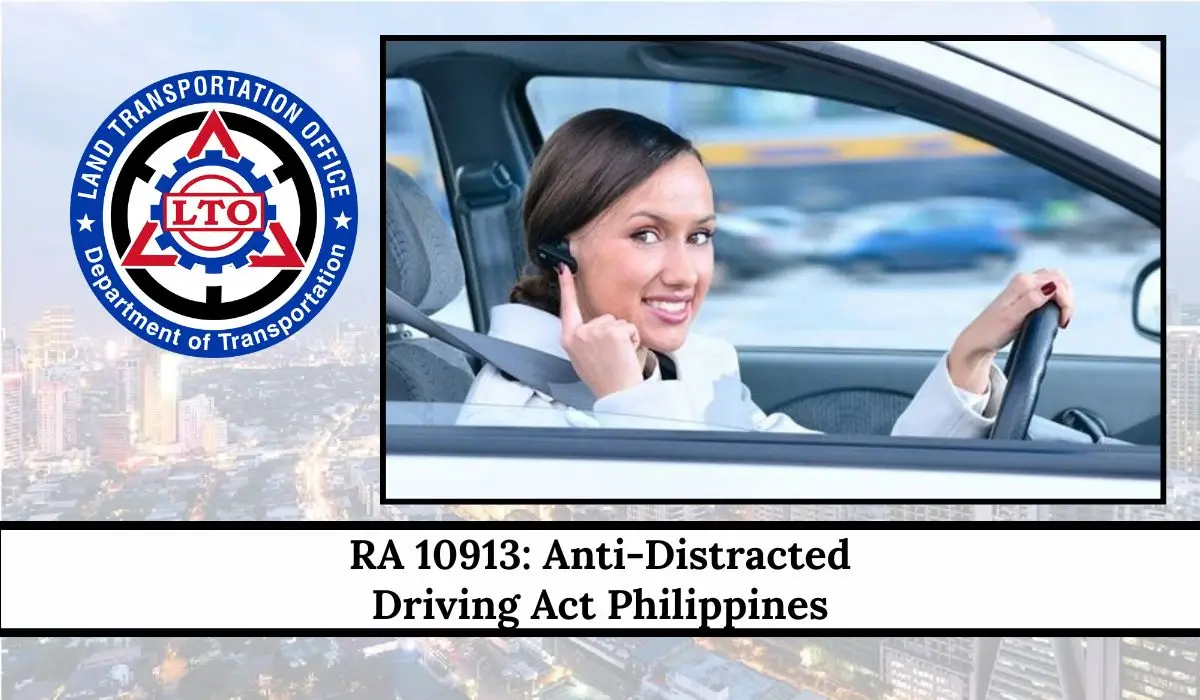
RA 10913: Anti-Distracted Driving Act Philippines 2026. Road safety is one of the most important responsibilities of every driver. Every day, thousands of vehicles travel on the roads of the Philippines, and even one second of distraction can lead to a serious accident. Many road crashes happen because drivers lose focus while using their phones, checking messages, scrolling social media, or doing other activities that take their attention away from driving. Because of this growing problem, the Philippine government introduced Republic Act No. 10913, also known as the Anti-Distracted Driving Act (ADDA).
You’ve probably seen drivers checking their phones while waiting at traffic lights or scrolling through messages during traffic jams. Some people think it is harmless because the vehicle is not moving fast. However, even a few seconds of distraction can cause accidents, injuries, and even death. A driver who is not fully focused may fail to notice pedestrians, traffic signs, or sudden stops from vehicles ahead.
In this complete guide, you will learn everything about RA 10913 in simple and easy English. We will discuss what the law means, prohibited acts, exemptions, penalties, fines, vehicles covered, enforcement rules, important reminders and practical tips to avoid violations.
What is RA 10913?
RA 10913 is officially called the Anti-Distracted Driving Act (ADDA). It is a Philippine law designed to prevent drivers from using mobile phones and electronic gadgets while driving. The law requires motorists to focus on driving instead of being distracted by devices such as:
- Mobile phones
- Tablets
- Laptops
- Gaming devices
- Electronic entertainment gadgets
The main purpose of the law is to reduce road accidents caused by distracted driving. The law applies when:
- The vehicle is moving
- The vehicle is temporarily stopped at a red light
- The vehicle is waiting at an intersection
- The vehicle is stuck in traffic
This means drivers are still not allowed to use their phones even if the car is not moving completely.
Why the Anti-Distracted Driving Act is Important
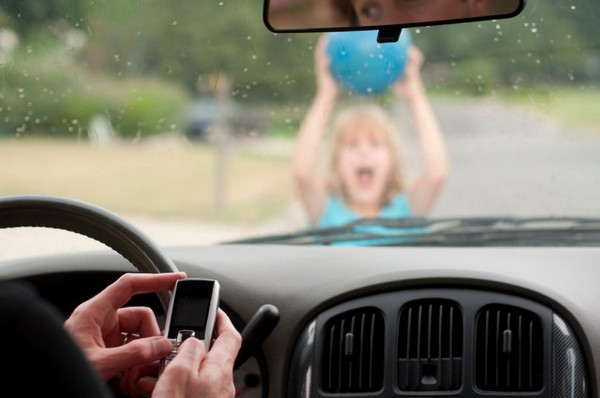
Distracted driving is one of the major causes of road accidents worldwide. According to road safety studies, drivers who use mobile phones while driving are more likely to get involved in crashes. A few seconds of distraction can lead to:
- Vehicle collisions
- Serious injuries
- Damage to property
- Loss of life
- Traffic congestion
- Financial problems
The Anti-Distracted Driving Act helps improve road safety by reminding drivers to remain alert and responsible at all times.
Main Goals of RA 10913
Here are the main objectives of the law:
| Goal | Explanation |
|---|---|
| Reduce road accidents | Prevent crashes caused by gadget use |
| Improve driver discipline | Encourage responsible driving habits |
| Protect lives | Keep drivers, passengers, and pedestrians safe |
| Promote road awareness | Remind drivers to focus on traffic conditions |
| Prevent dangerous behavior | Discourage texting and phone use while driving |
The law may look strict, but its purpose is simple: to save lives.
What is Distracted Driving?
Distracted driving refers to any activity that removes your attention from driving. This includes distractions involving:
- Eyes
- Hands
- Mind
Even looking at your phone for a few seconds can be dangerous.
Three Main Types of Distractions
1. Visual Distraction
This happens when drivers take their eyes off the road. Examples include:
- Reading text messages
- Watching videos
- Looking at social media
- Reading notifications
2. Manual Distraction
This happens when drivers remove their hands from the steering wheel. Examples include:
- Holding a phone
- Typing messages
- Taking selfies
- Eating while driving
3. Cognitive Distraction
This happens when drivers lose mental focus on driving. Examples include:
- Talking intensely on the phone
- Thinking about messages
- Playing games
- Watching videos
Any activity that combines these distractions becomes extremely dangerous.
Vehicles Covered Under RA 10913
The law applies to almost all vehicles operating on Philippine roads.
Vehicles Covered
Private Vehicles
- Cars
- SUVs
- Vans
- Pickup trucks
Public Utility Vehicles (PUVs)
- Jeepneys
- Buses
- Taxis
- UV Express vehicles
Motorcycles and Tricycles
- Motorcycles
- Scooters
- Tricycles
- Habal-habal
Bicycles and Human-Powered Vehicles
- Bicycles
- Pedicabs
- Trolleys
Agricultural and Construction Vehicles
- Tractors
- Bulldozers
- Backhoes
- Cranes
- Rollers
- Payloaders
Animal-Powered Vehicles
- Wagons
- Carriages
- Carts
- Chariots
- Sledges
The law applies whether the vehicle is public, private, diplomatic, or commercial.
Prohibited Acts Under RA 10913
The Anti-Distracted Driving Act prohibits drivers from using gadgets while driving. Below are the activities not allowed under the law.
Using Mobile Phones
Drivers cannot:
- Hold their phones
- Text while driving
- Browse social media
- Read notifications
- Send messages
- Scroll through apps
Even a quick check of your phone can be considered a violation.
Making or Receiving Calls
Drivers are not allowed to:
- Dial numbers manually
- Hold phones during calls
- Answer calls without hands-free devices
Phone calls are only allowed using legal hands-free functions.
Watching Videos or Movies
Watching videos while driving is strictly prohibited. Examples include:
- YouTube videos
- TikTok clips
- Netflix
- Online streaming
These activities greatly reduce driver attention.
Playing Mobile Games
Gaming while driving is extremely dangerous and illegal. This includes:
- Mobile games
- Online games
- Puzzle games
- Gambling apps
Using Laptops and Tablets
Drivers cannot use:
- Laptops
- Tablets
- Portable gaming consoles
- Electronic entertainment devices
These gadgets can distract drivers visually and mentally.
Taking Photos and Videos
The following are prohibited:
- Taking selfies
- Recording videos
- Livestreaming
- Using cameras while driving
Even content creators and vloggers must follow these rules.
Browsing the Internet
Drivers are not allowed to:
- Open websites
- Browse social media
- Check emails
- Read online articles
Internet use while driving creates serious safety risks.
Devices That Block the Driver’s View
RA 10913 also prohibits placing gadgets in areas that block the driver’s line of sight. Examples include:
- Phones mounted directly in front of the windshield
- Large tablets blocking road visibility
- Gadgets covering traffic views
Drivers must ensure that mounted devices do not interfere with safe driving.
Allowed Actions Under RA 10913
Although the law is strict, some activities are still allowed. These exemptions help drivers stay safe while using necessary tools.
Hands-Free Devices are Allowed
Drivers may use gadgets through hands-free functions. Examples include:
- Bluetooth devices
- Speakerphones
- Voice commands
- Wireless ear systems
- Built-in vehicle communication systems
However, the device must not block the driver’s view.
GPS Navigation is Allowed
Using GPS is allowed if:
- The device is properly mounted
- It does not block visibility
- Drivers do not manually type while driving
Drivers should set their destination before starting the trip.
Emergency Calls are Allowed
Drivers may contact emergency authorities during emergencies. Examples include:
- Reporting accidents
- Calling police
- Reporting fires
- Medical emergencies
- Terrorist threats
- Bomb threats
Emergency use is exempted under the law.
Dash Cams are Allowed
Dash cams are legal under RA 10913 because they help improve safety and security. However:
- They must not block the windshield
- They should not distract the driver
When You Can Use Your Phone Legally
You can use your phone when:

- Your vehicle is parked properly
- The engine is safely stopped
- You are outside active traffic
Using phones during traffic stops or red lights is still prohibited.
Penalties and Fines Under RA 10913
Violating the Anti-Distracted Driving Act can result in expensive penalties. The fines increase depending on the number of offenses.
Updated Penalty System
| Offense | Penalty |
|---|---|
| First Offense | ₱5,000 |
| Second Offense | ₱10,000 |
| Third Offense | ₱15,000 + 3-month license suspension |
| Fourth and Succeeding Offenses | ₱20,000 + license revocation |
Drivers who repeatedly violate the law may lose their driving privileges permanently.
Why Public Utility Drivers Are Monitored Strictly
Public utility vehicle drivers carry many passengers daily. These include:
- Bus drivers
- Jeepney drivers
- Taxi drivers
- School service operators
Because passenger safety is involved, authorities monitor them more carefully. Any distracted driving incident involving public transport can affect many lives.
How Authorities Catch Violators
Law enforcers use different methods to monitor drivers.
CCTV Cameras
Traffic cameras monitor roads and intersections.
MMDA Monitoring
The MMDA observes driver behavior through traffic systems.
LTO Checkpoints
The Land Transportation Office conducts inspections and roadside monitoring.
Direct Observation
Traffic enforcers watch for:
- Phone use
- Suspicious hand movements
- Gadget handling
Public Complaints
Violations may also be reported through:
- Videos
- Dash cam footage
- Social media reports
Agencies Responsible for Enforcement
Several government agencies help implement RA 10913.
Main Enforcement Authorities
| Agency | Responsibility |
|---|---|
| LTO | Main enforcement authority |
| DOTr | Transportation supervision |
| MMDA | Metro Manila traffic monitoring |
| PNP | Traffic assistance and enforcement |
| LGUs | Local traffic implementation |
The LTO also has the authority to deputize other agencies for enforcement duties.
Common Examples of Violations
Many drivers unknowingly violate the law. Here are common examples:
- Texting while driving
- Watching videos during traffic
- Holding the phone during calls
- Using social media apps
- Typing GPS destinations while moving
- Recording TikTok videos
- Playing games in traffic
Even short moments of distraction can result in penalties.
Common Misunderstandings About RA 10913
Many drivers misunderstand the law. Let’s clear up some common myths.
- “I Can Use My Phone During Red Lights”
This is false. The law still applies when temporarily stopped at intersections or traffic lights.
“Hands-Free Means Anything is Allowed”
Not true. Hands-free use is only allowed if:
- It does not block visibility
- It does not distract the driver excessively
- “Dashboards Cannot Have Accessories”
This is incorrect. Allowed accessories include:
- Rosaries
- Figurines
- Stickers
- Tachometers
- Crucifixes
As long as they do not block the driver’s view.

- “The Law Only Applies to Cars”
False. The law also applies to:
- Motorcycles
- Bicycles
- Tricycles
- Animal-powered vehicles
Important Road Safety Facts
Road safety organizations continue to warn drivers about distracted driving.
WHO Findings
According to the World Health Organization (WHO):
- Drivers using mobile phones are four times more likely to crash
- Texting drivers have slower reaction times
- Inexperienced drivers face higher risks
These findings show why distracted driving laws are important.
Why Texting While Driving is Dangerous
Texting combines all three types of distraction:
| Type | Effect |
|---|---|
| Visual | Eyes leave the road |
| Manual | Hands leave the wheel |
| Cognitive | Mind loses focus |
This makes texting one of the most dangerous driving behaviors.
How to Avoid RA 10913 Violations
Avoiding violations is simple if you build safe habits.
Mount Your Phone Properly
Use approved holders that do not block visibility.
Activate “Do Not Disturb”
Silence notifications before driving.
Set GPS Before Leaving
Prepare navigation ahead of time.
Use Voice Commands
Hands-free technology reduces distractions.
Avoid Multitasking
Focus only on driving.
Pull Over Safely
If you must answer calls or messages:
- Park safely first
- Stop the engine if possible
Keep Both Hands on the Wheel
Avoid unnecessary gadget handling.
Benefits of Following RA 10913
Following the law provides many benefits.
Safer Roads
Drivers become more alert and responsible.
Fewer Accidents
Reduced distractions lower crash risks.
Better Traffic Discipline
Drivers develop better habits.
Financial Savings
Avoiding fines saves money.
Protection for Everyone
The law protects:
- Drivers
- Passengers
- Pedestrians
- Cyclists
Why Driver Discipline Matters
Road safety is not only about rules. It is also about responsibility. Every driver shares the road with others. One careless action can affect many lives. Responsible driving includes:
- Staying alert
- Following traffic signs
- Avoiding distractions
- Respecting road users
Good discipline creates safer communities.
Technology and Distracted Driving
Modern technology makes communication easier, but it also increases distractions. Common modern distractions include:
- Social media
- Livestreaming
- Mobile gaming
- Video calls
- Streaming apps
Drivers should learn how to manage technology responsibly.
The Role of Families and Communities
Families also play a role in promoting road safety. Parents should teach children:
- The dangers of distracted driving
- Safe gadget habits
- Respect for traffic laws
Communities can help by encouraging responsible driving behavior.
Why Motorcycle Riders Must Be Careful
Motorcycle riders face greater risks because they have less protection during crashes. Using phones while riding motorcycles can cause:
- Loss of balance
- Delayed braking
- Severe injuries
Riders should focus fully on the road.
Social Media and Road Safety
Many drivers become distracted by social media notifications. Examples include:
- Facebook messages
- TikTok videos
- Instagram notifications
- Online chats
Drivers should avoid checking social media while driving. No notification is more important than safety.
What Happens After Receiving a Violation Ticket?
If a driver violates RA 10913:
- The enforcer issues a violation ticket
- The offense is recorded
- The driver must pay the fine
- Penalties may affect license renewal
Repeated violations may lead to license suspension or revocation.
Importance of Defensive Driving
Defensive driving helps reduce accidents. A defensive driver:
- Anticipates dangers
- Stays focused
- Follows traffic rules
- Avoids risky behavior
RA 10913 supports defensive driving practices.
Difference Between Safe and Unsafe Phone Use
| Safe Use | Unsafe Use |
|---|---|
| Voice commands | Texting |
| Mounted GPS | Holding phones |
| Emergency calls | Watching videos |
| Hands-free systems | Social media browsing |
Understanding the difference helps drivers stay compliant.
Challenges in Implementing the Law
Although RA 10913 improves safety, implementation can still be challenging. Some drivers:
- Ignore the rules
- Continue texting secretly
- Believe short phone use is harmless
Continuous public education is necessary to improve compliance.
Public Awareness and Education
Driver education programs help spread awareness about distracted driving. Road safety campaigns remind people to:
- Focus on driving
- Avoid gadget use
- Respect traffic laws
Education is one of the best ways to reduce accidents.
FAQs About RA 10913: Anti-Distracted Driving Act
What is RA 10913 or the Anti-Distracted Driving Act?
Ans: RA 10913, also called the Anti-Distracted Driving Act (ADDA), is a Philippine law that prevents drivers from using mobile phones and electronic gadgets while driving. The law was created to reduce road accidents caused by distracted driving. It requires motorists to keep their full attention on the road instead of texting, calling, browsing social media, or using entertainment devices while operating a vehicle. The law applies to both public and private vehicles, including motorcycles, bicycles, and other road users.
Can I use my phone while waiting at a red light?

Ans: No, you cannot use your phone while waiting at a red light or stuck in traffic. Under RA 10913, distracted driving rules still apply even when the vehicle is temporarily stopped at intersections, traffic signals, or heavy traffic. Many drivers think it is safe to check messages during stops, but the law considers this dangerous because drivers still need to stay alert and ready to move safely at any moment.
Is using Google Maps or GPS allowed under RA 10913?
Ans: Yes, using Google Maps or other GPS navigation apps is allowed as long as the phone is properly mounted and does not block the driver’s line of sight. Drivers should set the destination before starting the trip to avoid touching or typing on the device while driving. The purpose of this exemption is to help drivers navigate safely without creating unnecessary distractions on the road.
Are hands-free devices allowed while driving?
Ans: Yes, hands-free devices are allowed under the Anti-Distracted Driving Act. Drivers may use Bluetooth devices, speakerphones, voice commands, or built-in car communication systems to make or receive calls. However, the device should not block the driver’s vision or distract them from driving safely. The law allows hands-free technology because it helps drivers communicate while keeping both hands on the steering wheel.
What are the penalties for violating RA 10913?
Ans: The penalties for violating RA 10913 increase depending on the number of offenses committed. The first offense carries a fine of ₱5,000, while the second offense costs ₱10,000. For the third offense, drivers must pay ₱15,000 and face a three-month suspension of their driver’s license. Fourth and succeeding offenses result in a ₱20,000 fine and possible revocation of the driver’s license. These penalties are meant to encourage responsible driving habits and reduce road accidents.
Does the law apply only to car drivers?
Ans: No, RA 10913 does not apply only to car drivers. The law also covers motorcycle riders, jeepney drivers, bus operators, taxi drivers, truck drivers, cyclists, tricycle drivers, and even operators of animal-powered vehicles. The government wants all road users to follow the same safety rules because distracted driving can endanger everyone sharing the road.
Are dash cams legal under the Anti-Distracted Driving Act?
Ans: Yes, dash cams are legal and allowed under RA 10913. Many drivers use dash cams for security, evidence during accidents, and personal safety. However, the dash cam must be installed properly and should not block the driver’s view of the road. Authorities allow dash cams because they do not require active handling while driving and can help improve road safety.
Can I answer emergency calls while driving?
Ans: Yes, the law provides exemptions for emergency situations. Drivers may use their phones to contact emergency authorities during accidents, crimes, fires, medical emergencies, terrorist threats, or other dangerous situations. Emergency communication is allowed because immediate action may help protect lives and public safety. However, drivers should still remain careful and avoid unnecessary distractions while making emergency calls.
Why is distracted driving considered dangerous?
Ans: Distracted driving is dangerous because it takes the driver’s attention away from the road. Even a few seconds of distraction can lead to delayed reactions, missed traffic signals, or failure to notice pedestrians and nearby vehicles. Activities like texting, watching videos, or browsing social media can increase the risk of crashes and serious injuries. Studies also show that drivers using mobile phones are more likely to get involved in accidents compared to focused drivers.
How can drivers avoid violating RA 10913?
Ans: Drivers can avoid violations by practicing safe driving habits and reducing distractions before starting their trip. They should mount their phones properly, activate “Do Not Disturb” mode, prepare GPS navigation in advance, and avoid checking notifications while driving. If answering a message or call becomes necessary, the safest option is to pull over and park properly first. Following these simple habits not only prevents fines and penalties but also helps keep roads safer for everyone.
Conclusion
RA 10913 or the Anti-Distracted Driving Act is an important law that protects everyone on Philippine roads. Distracted driving may seem harmless at first, but even a few seconds of lost attention can cause serious accidents. Using phones while driving puts drivers, passengers, pedestrians, and other motorists in danger.
The law reminds all road users to focus on driving and avoid unnecessary distractions. Whether you are driving a car, riding a motorcycle, operating a jeepney, or cycling on public roads, staying alert can save lives.