Bad Driving Habits Filipino 2026: Causes, Effects And Solutions
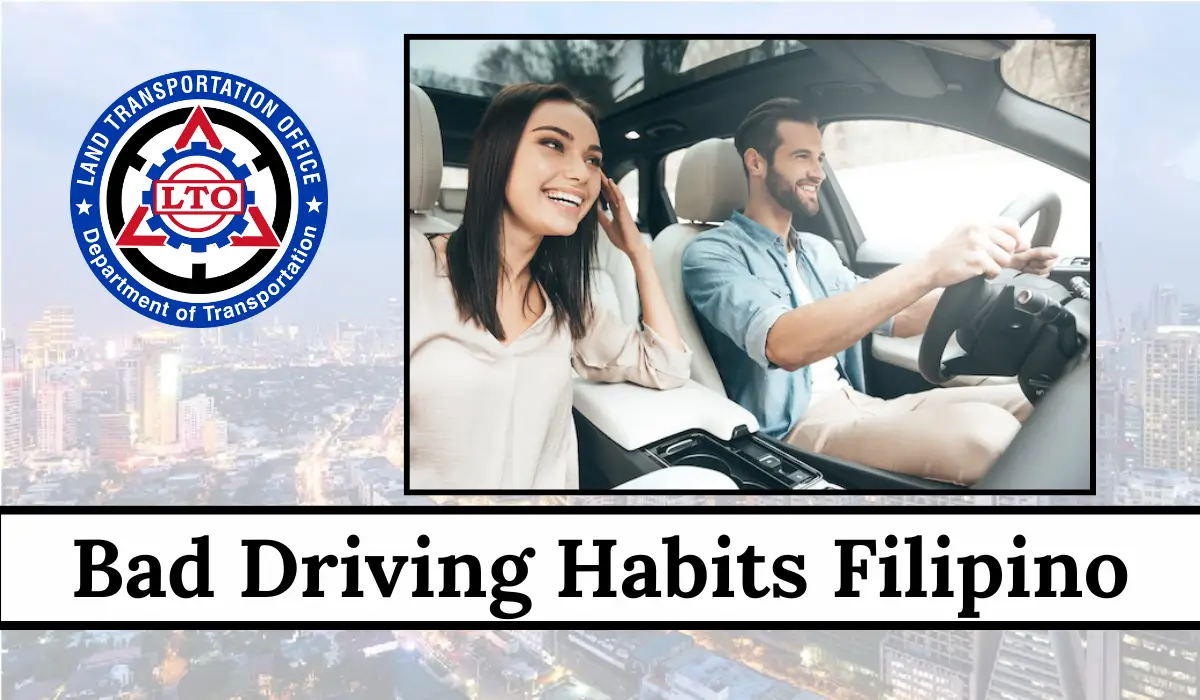
Bad Driving Habits Filipino 2026. Driving in the Philippines feels different every single day. Some days the roads are calm, while on other days they become stressful, noisy, and full of impatient drivers. Whether you are driving through EDSA, Quezon City, Cebu, Davao, or even small provincial towns, you will notice one thing that stays the same many Filipino drivers have developed bad driving habits that make roads dangerous for everyone.
From beating the red light to illegal parking and distracted driving, these habits have slowly become normal in everyday traffic life. Many people joke about it online, laugh about it with friends, or simply accept it as part of Filipino road culture. But the truth is, these habits are one of the biggest reasons why traffic accidents, road rage, and traffic congestion continue to increase.
Road safety is not only about having better cars or wider roads. It is also about discipline, patience, respect, and responsibility. Every small decision drivers make can either protect lives or put them at risk.
In this detailed guide, we will talk about the most common bad driving habits among Filipinos, why these habits continue to exist, their effects on society, and how drivers can slowly change for a safer and smoother driving experience.
The Everyday Reality of Filipino Roads
Anyone who drives regularly in the Philippines already knows how difficult traffic can be. Morning rush hours are stressful. Public utility vehicles suddenly stop to pick up passengers. Motorcycles squeeze through tight spaces. Cars switch lanes without warning. Horns are everywhere.
Traffic congestion has become part of daily life for millions of Filipinos. Unfortunately, many drivers contribute to the problem without even realizing it.
People have become so used to disorderly driving that many unsafe behaviors now seem normal. Drivers often ignore rules because they think everyone else is doing the same thing. Instead of following traffic discipline, many choose shortcuts, risky moves, or selfish driving behaviors just to save a few seconds.
But roads are shared spaces. Every reckless move affects not only one driver but also passengers, pedestrians, cyclists, and other motorists.
Why Bad Driving Habits Are Dangerous
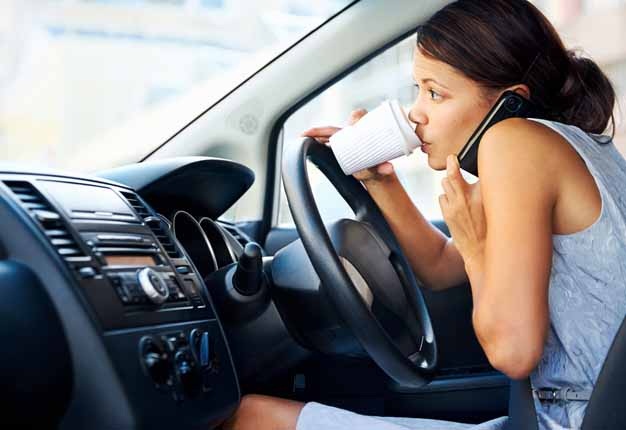
Some drivers think small violations are harmless. They believe beating the red light once or changing lanes suddenly is not a big deal. However, even small mistakes can lead to serious accidents. Bad driving habits can cause:
- Vehicle collisions
- Road rage incidents
- Traffic congestion
- Injuries
- Deaths
- Damage to property
- Delays in emergency response
- Stress among drivers
- Financial losses
Road accidents do not only affect victims physically. They also affect families emotionally and financially. One careless decision can change lives forever.
Most Common Bad Driving Habits Among Filipinos
1. Beating the Red Light
One of the most common bad driving habits in the Philippines is running red lights. Many drivers speed up when the light is about to turn red because they do not want to wait.
Some drivers believe saving a few seconds is worth the risk. Unfortunately, this dangerous behavior often leads to accidents at intersections.
Why It Happens
- Impatience
- Fear of traffic buildup
- Weak law enforcement
- Drivers thinking they can escape penalties
Effects
- High risk of collisions
- Injuries to pedestrians
- Dangerous intersection accidents
- Increased traffic chaos
Following traffic lights is one of the simplest ways to keep roads safe.
2. Counterflowing
Counterflowing happens when drivers use the opposite lane to avoid traffic congestion. This behavior is extremely dangerous because it disrupts traffic flow and increases the risk of head-on collisions. Many motorcycle riders and even some car drivers practice counterflowing daily.
Why Drivers Counterflow
- Heavy traffic
- Lack of patience
- Desire to reach destinations faster
- Poor road discipline
Dangers of Counterflowing
| Problem | Effect |
|---|---|
| Head-on collisions | Serious injuries or deaths |
| Traffic confusion | Slower traffic flow |
| Blocked lanes | More congestion |
| Unsafe overtaking | Higher accident risk |
Counterflowing may save a few minutes, but it can cost lives.
3. Distracted Driving
Mobile phones have become one of the biggest distractions on the road. Many drivers text, scroll social media, answer calls, or watch videos while driving. Distracted driving reduces reaction time and awareness.
Common Distractions
- Text messaging
- Watching videos
- Browsing social media
- Eating while driving
- Adjusting music
- Talking without hands-free devices
The Anti-Distracted Driving Law was created to reduce these risks, but many motorists still ignore it.
Why Distracted Driving Is Dangerous
When drivers focus on their phones instead of the road, they may fail to notice:
- Sudden stops
- Pedestrians crossing
- Traffic signs
- Motorcycles nearby
- Emergency vehicles
Even a few seconds of distraction can lead to accidents.
4. Failure to Use Signal Lights
Signal lights are meant to inform other drivers about your next move. Unfortunately, many Filipino drivers change lanes or turn without signaling. This creates confusion and increases the risk of crashes.
Common Reasons Drivers Ignore Signals
- Laziness
- Overconfidence
- Habit
- Lack of discipline
Problems Caused by Not Signaling
- Unexpected lane changes
- Rear-end accidents
- Traffic confusion
- Road rage incidents
Using signal lights is a small action that greatly improves road communication.
5. Tailgating
Tailgating means following another vehicle too closely. Many drivers do this to pressure the car in front to move faster.
This aggressive driving habit is dangerous because drivers may not have enough time to stop during emergencies.
Risks of Tailgating
- Rear-end collisions
- Sudden braking accidents
- Driver stress
- Increased road rage
Safe driving always requires enough distance between vehicles.
6. Improper Lane Changing
Some drivers constantly switch lanes hoping to move faster. Others suddenly swerve without checking blind spots.
Ironically, aggressive lane changing often worsens traffic instead of improving it.
Common Causes
- Impatience
- Desire to overtake
- Lack of awareness
- Reckless driving habits
Results
- Traffic slowdowns
- Side-swipe accidents
- Dangerous overtaking situations
Good lane discipline helps roads move more smoothly.
7. Illegal Parking
Improper parking is another major issue in the Philippines. Drivers often park:
- On sidewalks
- Near intersections
- In no-parking zones
- Along narrow streets
- In front of driveways
Public utility vehicles also stop almost anywhere to load and unload passengers.
Effects of Illegal Parking
| Illegal Parking Behavior | Result |
|---|---|
| Blocking sidewalks | Unsafe for pedestrians |
| Parking on narrow roads | Traffic congestion |
| Blocking driveways | Inconvenience |
| Double parking | Reduced road space |
Responsible parking benefits everyone.
8. Ignoring Pedestrian Lanes
Pedestrians should always feel safe crossing roads, but many drivers fail to stop at pedestrian lanes. Some even speed up while people are crossing.
Why This Is Dangerous
- Pedestrians are vulnerable
- Children and elderly people are at risk
- Accidents can become fatal
Road safety should prioritize human lives over speed.
9. Overuse of Horns
The sound of constant honking has become part of daily road life in the Philippines. Many drivers use horns excessively even when traffic cannot move. Some drivers honk:
- Seconds after lights turn green
- In traffic jams
- Near hospitals
- Near schools
- Near churches
Problems Caused by Excessive Honking
- Noise pollution
- Stress
- Driver irritation
- More aggressive driving behavior
Horns should only be used when necessary for safety.
10. Lack of Respect for Emergency Vehicles
Ambulances, fire trucks, and police vehicles need clear roads during emergencies. Unfortunately, some drivers refuse to give way.
Others even follow emergency vehicles closely to pass through traffic faster.
Why This Is Wrong
Emergency vehicles save lives. Delays can mean the difference between life and death.
Drivers should immediately make space when emergency vehicles approach.
11. Driving Without Seatbelts or Helmets
Many motorists still ignore basic safety equipment.
Common Violations
- Drivers not wearing seatbelts
- Passengers ignoring seatbelt use
- Motorcycle riders without helmets
- Children without proper restraint systems
Consequences
| Safety Violation | Possible Result |
|---|---|
| No helmet | Head injuries |
| No seatbelt | Serious injury during crashes |
| No child restraint | Child fatalities |
Safety gear saves lives.

12. Abuse of Hazard Lights
Some drivers use hazard lights incorrectly.
Examples
- Parking illegally while hazards are on
- Driving during rain with hazards activated
- Blocking lanes with hazard lights
Hazard lights are meant for emergencies, not convenience.
13. Mid-Lane Hogging
Some drivers stay in the middle or overtaking lane even when driving slowly. This blocks faster vehicles and disrupts traffic flow.
Effects
- Frustration among drivers
- Risky overtaking
- Traffic buildup
Drivers should stay in proper lanes according to speed and road rules.
14. Reckless Overtaking
Dangerous overtaking is very common on highways and provincial roads. Some drivers overtake:
- Near blind curves
- On narrow roads
- Without enough space
Dangers
- Head-on collisions
- Loss of vehicle control
- Fatal accidents
Patience is safer than risky overtaking.
15. Driving with Poor Posture
Some drivers sit too far back while driving, often called the “gangsta lean.”
Why It Is Unsafe
This position reduces:
- Steering control
- Reaction speed
- Proper visibility
A correct driving posture improves safety and comfort.
Root Causes of Bad Driving Habits in the Philippines
Weak Law Enforcement
Some motorists ignore traffic rules because they believe penalties are inconsistent. When drivers think they can escape punishment, violations increase.
Poor Driver Education
Many driving lessons focus more on operating vehicles than teaching road discipline and courtesy. Drivers should also learn:
- Patience
- Responsibility
- Respect for others
- Defensive driving
“Bahala Na” Mentality
The “bahala na” mindset encourages risk-taking behavior. Some drivers think:
- “Nothing bad will happen.”
- “I can get away with it.”
- “Everyone does it anyway.”
This dangerous mentality contributes to reckless driving.
Traffic Stress
Heavy traffic causes frustration and impatience. Drivers stuck for hours often become aggressive or careless. Stress can lead to:
- Angry driving
- Risky decisions
- Poor judgment
Lack of Road Courtesy
Road courtesy means respecting others on the road. Unfortunately, some drivers prioritize themselves over everyone else.
Examples
- Refusing to give way
- Blocking intersections
- Ignoring pedestrians
- Tailgating
Courtesy makes roads safer and less stressful.
Environmental and Road Problems
Sometimes road conditions also contribute to bad driving habits.
Common Issues
- Poor road markings
- Broken traffic lights
- Narrow streets
- Flooded roads
- Lack of parking spaces
Better infrastructure can improve driving behavior.
How Bad Driving Habits Affect Society
Bad driving habits affect more than traffic. They impact the entire country.
Economic Losses
- Traffic congestion wastes fuel, time, and productivity.
- Businesses lose money when transportation becomes inefficient.
Increased Accidents
- Unsafe driving causes thousands of accidents every year.
- Hospitals, families, and emergency services all carry the burden.
Mental Stress
- Daily exposure to aggressive driving increases stress and anxiety among motorists.
- Many drivers feel exhausted even before reaching work.
Negative International Image
- Tourists and foreigners often notice disorderly traffic conditions.
- A country with safer and more disciplined roads creates a better public image.
How Filipino Drivers Can Improve
Improving road safety starts with personal responsibility.
1. Follow Traffic Rules
Traffic laws exist to protect lives. Always:
- Stop at red lights
- Follow speed limits
- Obey road signs
2. Practice Defensive Driving
Defensive driving means staying alert and expecting mistakes from others.
Defensive Driving Tips
- Keep safe distance
- Avoid aggressive behavior
- Stay calm
- Watch blind spots
3. Be Patient
- Patience is one of the most important driving skills.
- A few extra minutes are better than causing accidents.
4. Respect Pedestrians
- Pedestrians deserve safety and respect.
- Always stop at pedestrian lanes and crossings.
5. Use Signal Lights Properly
Signals help prevent confusion and accidents. Use them every time you:
- Turn
- Change lanes
- Merge into traffic
6. Avoid Using Phones While Driving
Focus fully on the road. If necessary:
- Pull over safely
- Use hands-free devices
- Avoid distractions completely
7. Follow Proper Parking Rules
Park only in legal and designated areas. Avoid blocking:
- Sidewalks
- Driveways
- Intersections
8. Respect Emergency Vehicles
- Always make space for ambulances and rescue vehicles.
- Helping emergency responders can save lives.
The Role of Government Agencies
Several agencies work hard to improve road safety in the Philippines.
Land Transportation Office (LTO)
The Land Transportation Office manages driver licensing, vehicle registration, and traffic law enforcement.
Metro Manila Development Authority (MMDA)
The Metro Manila Development Authority helps manage traffic flow and road discipline in Metro Manila.
Inter-Agency Council for Traffic (I-ACT)
The Inter-Agency Council for Traffic supports traffic enforcement operations against violators.
Importance of Enforcement
Traffic laws only work when:
- Authorities enforce them consistently
- Drivers cooperate willingly
Without discipline, even the best laws become ineffective.
Building a Better Driving Culture
Changing Filipino driving culture will not happen overnight. It requires cooperation from:
- Drivers
- Government agencies
- Schools
- Families
- Communities
Ways to Build Better Road Culture
| Action | Benefit |
|---|---|
| Better education | Safer drivers |
| Stronger enforcement | Fewer violations |
| Public awareness campaigns | Improved discipline |
| Respect for traffic rules | Smoother roads |
Every driver has the power to create positive change.
Important Road Safety Tips for Drivers
Before Driving
- Check mirrors
- Wear seatbelt
- Stay focused
- Avoid distractions
While Driving
- Follow speed limits
- Keep distance
- Use signals
- Stay calm
During Heavy Rain
- Turn on headlights
- Drive slowly
- Avoid hazard lights unless stopping
At Night
- Use proper beam settings
- Stay alert
- Watch for pedestrians
Why Discipline Matters on the Road
Road discipline is not about fear of penalties. It is about caring for human lives. Every responsible action helps:
- Prevent accidents
- Reduce stress
- Improve traffic flow
- Protect families
Discipline creates safer communities.
The Future of Driving in the Philippines
The future of Philippine roads depends on the choices drivers make today. Technology, better roads, and stricter laws can help, but true change starts with people. If more drivers practice:
- Patience
- Courtesy
- Responsibility
- Discipline
then roads across the country can become safer and more organized.
FAQs
Why are bad driving habits so common among Filipino drivers?
Ans: Bad driving habits are common because many drivers grow up seeing the same behavior on the road every day. When people constantly see others beating red lights, ignoring signals, or blocking lanes, they start thinking it is normal. Another reason is weak discipline in some areas of driver education, where the focus is more on how to operate a vehicle rather than how to respect traffic rules and other road users. Heavy traffic also plays a big role because frustration makes drivers impatient and more likely to break rules. Over time, these small repeated actions turn into habits that are hard to break.
What is the most dangerous driving habit in the Philippines?
Ans: One of the most dangerous driving habits is beating the red light because it directly leads to high-speed collisions at intersections. When drivers ignore stop signals, they risk hitting vehicles that have the right of way or even pedestrians crossing the road. These accidents often happen suddenly and with very little time to react, making them extremely dangerous. Even a few seconds of impatience can result in serious injuries or loss of life. That is why traffic lights should always be followed without exception.
Why do Filipino drivers often ignore traffic rules?
Ans: Many drivers ignore traffic rules because they believe they will not get caught or punished. This mindset comes from inconsistent enforcement in some areas where violations are not always strictly penalized. Others simply follow the “everyone is doing it” mentality, which makes breaking rules feel normal. Some drivers also lack proper education about road safety, so they do not fully understand the risks of their actions. Combined with traffic stress and impatience, these factors create a culture where rules are often overlooked.
How does distracted driving affect road safety?
Ans: Distracted driving is extremely dangerous because it takes the driver’s attention away from the road. Even looking at a phone for a few seconds can cause a driver to miss sudden stops, pedestrians crossing, or changing traffic signals. This delay in reaction time often leads to accidents that could have been easily avoided. It also affects not only the driver but also passengers and other road users. In many cases, distracted driving has been linked to severe crashes because drivers simply did not see danger in time.
Why is counterflowing dangerous?
Ans: Counterflowing is dangerous because it involves driving against the natural flow of traffic, which increases the risk of head-on collisions. Since vehicles are moving in opposite directions in a shared space, there is very little room for error. Even a small mistake or sudden movement can lead to a serious accident. It also disrupts the entire traffic system, causing confusion and congestion for other drivers. Although some people do it to save time, it actually makes roads more unsafe and unpredictable for everyone.
What are the effects of not using signal lights?
Ans: Not using signal lights creates confusion among other drivers because they cannot predict what a vehicle will do next. This often leads to sudden braking, near-collisions, or even accidents when cars change lanes or turn without warning. Signal lights are an important form of communication on the road, and without them, driving becomes unpredictable and dangerous. Many road incidents could be avoided if drivers simply used signals every time they change direction.
How does tailgating increase accident risk?
Ans: Tailgating increases accident risk because it reduces the safe distance between vehicles. When a car is too close to the one in front, the driver has very little time to react if the front vehicle suddenly stops. This often results in rear-end collisions, especially in heavy traffic or unexpected braking situations. Tailgating also increases stress for both drivers, leading to aggressive behavior on the road. Keeping a safe following distance is one of the simplest ways to prevent accidents.
Why is illegal parking a serious problem?
Ans: Illegal parking is a serious problem because it blocks roads, sidewalks, and driveways, making traffic flow more difficult. When vehicles are parked in restricted areas, they reduce available road space and force other drivers to make risky maneuvers. It also creates inconvenience for pedestrians who may be forced to walk on the road instead of sidewalks. In emergency situations, illegal parking can delay ambulances or fire trucks, which can have life-threatening consequences. Proper parking is essential for smooth and safe traffic management.
What role do government agencies play in road safety?
Ans: Government agencies play a key role in maintaining road safety by enforcing traffic laws, managing road systems, and educating drivers. Institutions like the Land Transportation Office, Metro Manila Development Authority, and traffic enforcement units help regulate driver behavior and reduce violations. They also conduct campaigns to raise awareness about safe driving practices. However, their efforts are most effective only when drivers cooperate and follow rules voluntarily. Road safety is a shared responsibility between authorities and the public.
How can Filipino drivers improve their driving habits?
Ans: Filipino drivers can improve their habits by practicing discipline, patience, and respect on the road. This includes following traffic lights, using signal indicators, avoiding distractions like mobile phones, and respecting pedestrians. Drivers should also maintain safe distances, obey speed limits, and avoid aggressive behaviors such as tailgating or counterflowing. Small changes in behavior can greatly reduce accidents and improve traffic flow. Over time, consistent responsible driving can help create a safer and more organized road culture for everyone.
Conclusion
Bad driving habits in the Philippines continue to affect road safety, traffic flow, and the daily lives of millions of people. From reckless overtaking and distracted driving to illegal parking and ignoring traffic rules, these behaviors create unnecessary risks for everyone on the road. However, positive change is possible when drivers become more disciplined, patient, and responsible. Following traffic laws, respecting pedestrians, and practicing proper road courtesy can help reduce accidents and improve the overall driving experience. Safer roads are not only the responsibility of authorities but also of every Filipino driver who chooses to drive carefully and responsibly every single day.