Regional Highway Patrol Unit And Provincial Highway Patrol Teams in the Philippines 2026
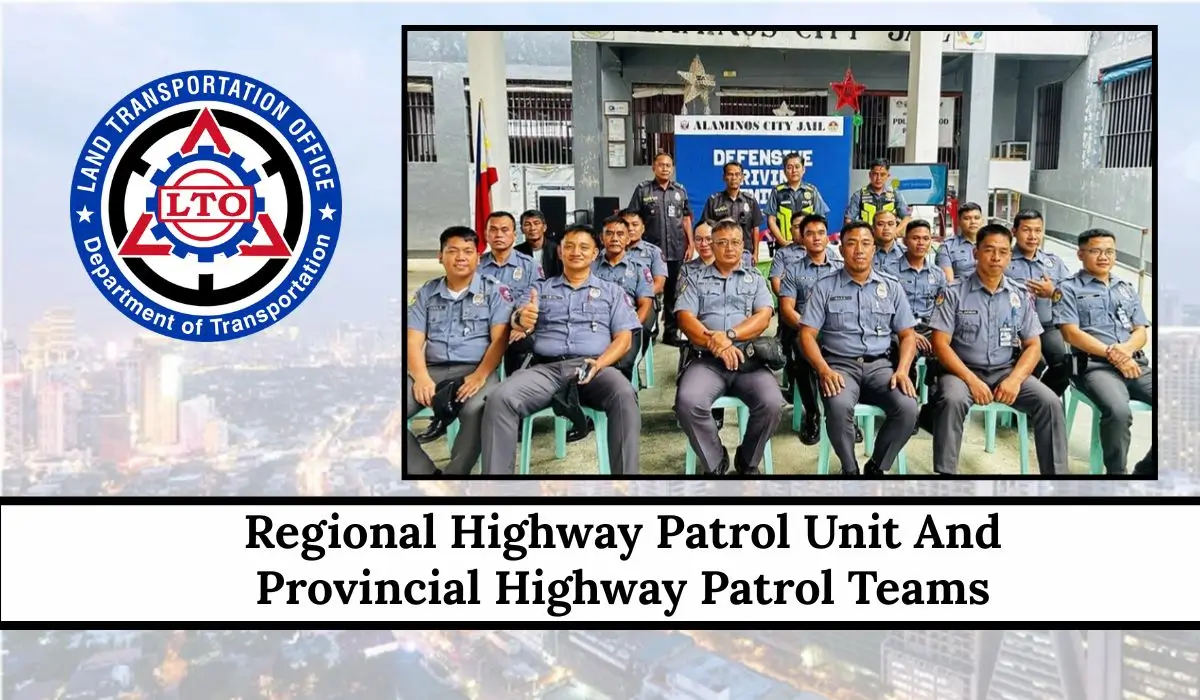
Regional Highway Patrol Unit And Provincial Highway Patrol Teams. Every time you drive on the road, whether it’s a short daily trip or a long highway journey, there are dedicated officers working silently to keep you safe. These officers belong to the Philippine National Police Highway Patrol Group, a special unit focused on traffic control, law enforcement, and highway safety.
Inside this important organization, two key operational teams play a major role: the Regional Highway Patrol Unit (RHPU) and the Provincial Highway Patrol Teams (PHPTs). These teams are not just responsible for issuing tickets or managing checkpoints—they are the backbone of road safety, crime prevention, and emergency response across the country.
In this detailed guide, you will learn everything about their roles, duties, structure, operations, challenges, and how they work together to make roads safer for everyone.
What Is the Regional Highway Patrol Unit (RHPU)?
The Regional Highway Patrol Unit (RHPU) is the main command office at the regional level. It manages and supervises all highway patrol operations within a specific region.
Think of the RHPU as the “brain” of highway patrol operations. It plans strategies, gives instructions, and ensures that all provincial teams are working properly and efficiently.
Key Role of RHPU
The RHPU is responsible for:
- Managing highway patrol activities in its region
- Supervising all Provincial Highway Patrol Teams
- Planning safety operations and traffic enforcement strategies
- Coordinating with national headquarters
The RHPU ensures that all teams follow the same rules and maintain a high level of discipline and professionalism.
Functions and Responsibilities of the RHPU
The RHPU plays a very important role in keeping roads safe and organized. Its responsibilities go far beyond basic traffic control.
1. Supervision and Leadership
RHPUs guide and monitor all PHPTs under their control. They ensure that every officer performs their duties correctly and follows official procedures.
2. Crime Prevention
One of the main tasks is to prevent crimes on highways, especially:
- Vehicle theft (carnapping)
- Highway robbery
- Illegal vehicle activities
3. Anti-Carnapping Operations
RHPUs lead operations to recover stolen vehicles. They track criminal networks and work with other law enforcement units.
4. Emergency Response Support
During major accidents or emergencies, the RHPU provides support and coordination to ensure a fast response.
5. Road Monitoring
They monitor road conditions and traffic flow to reduce accidents and congestion.
6. VIP Escort and Special Operations
RHPUs organize security escorts for VIPs and manage traffic during large public events.
7. Communication with Headquarters
They maintain constant communication with the central office of the Philippine National Police to share updates and reports.
What Are Provincial Highway Patrol Teams (PHPTs)?
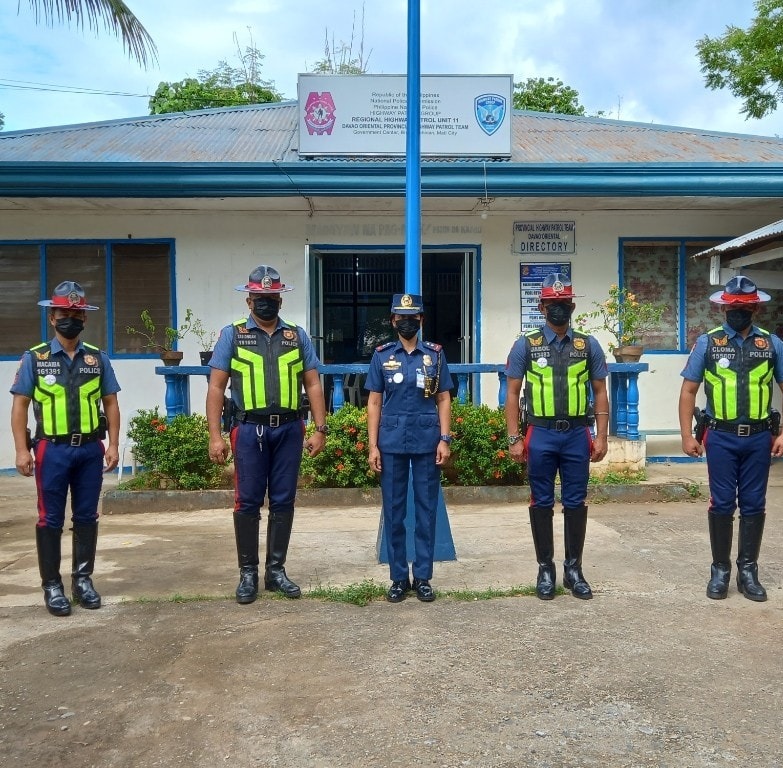
The Provincial Highway Patrol Teams (PHPTs) are the officers you see on the roads every day. They are the front-line force responsible for real-time traffic enforcement and public safety.
If the RHPU is the “brain,” then PHPTs are the “hands and feet” of highway patrol operations.
Role of PHPTs
PHPTs:
- Patrol highways daily
- Assist drivers and commuters
- Respond to road accidents
- Enforce traffic laws
They are always visible on the road, ensuring that safety rules are followed.
Key Duties and Operations of PHPTs
PHPT officers handle many important tasks that directly affect road safety.
1. Setting Up Checkpoints
PHPTs set up checkpoints to:
- Detect stolen vehicles
- Check vehicle documents
- Prevent illegal activities
2. Responding to Accidents
They are often the first responders during road accidents. Their duties include:
- Helping injured people
- Managing traffic flow
- Securing the accident area
3. Enforcing Traffic Laws
They ensure drivers follow rules such as:
- Speed limits
- Proper licensing
- Vehicle registration
4. Crime Prevention
PHPTs support police operations by monitoring suspicious activities on highways.
5. Public Awareness
They educate drivers about:
- Safe driving practices
- Road safety rules
- Traffic discipline
6. Maintaining Visibility
Their presence on roads acts as a strong reminder that safety is important.
Coordination Between RHPUs and PHPTs
The strength of the highway patrol system comes from teamwork.
How They Work Together
- RHPUs provide direction and strategy
- PHPTs execute operations on the ground
When a serious incident happens—like a major accident or vehicle theft—both units work together quickly.
Example of Coordination
- PHPT detects a stolen vehicle
- Reports it to RHPU
- RHPU coordinates with other teams
- Vehicle is tracked and recovered
This smooth coordination ensures quick and effective action.
Impact on Road Safety and Law Enforcement
The combined efforts of RHPUs and PHPTs have a strong impact on public safety.
Major Benefits
- Reduced vehicle theft cases
- Faster emergency response
- Better traffic control
- Increased public awareness
- Strong police presence on highways
Their work helps save lives every day.
Services Offered by RHPU and PHPTs
These units also provide important services related to vehicle documentation and legal processes.
Motor Vehicle Clearance Services
They process and issue clearance for:
- Transfer of ownership
- Change of engine or chassis
- Change of vehicle color or design
- New vehicle registration
- Imported vehicle registration
- Assembled or rebuilt vehicles
Other Services
- Record checking
- Permit to assemble vehicles
- Lifting alarm certificates
- Non-recovery certificates
These services are important for legal and safe vehicle ownership.
Challenges Faced by RHPUs and PHPTs
Despite their important role, these teams face many difficulties.
1. Limited Resources
Sometimes they lack:
- Modern equipment
- Enough patrol vehicles
- Advanced tools
2. Staff Shortage
There are not always enough officers to cover all areas.
3. Public Misunderstanding
Some people:
- Do not cooperate
- Misunderstand their duties
4. Tough Working Conditions
Officers work in:
- Extreme weather
- Long hours
- High-risk situations
Still, they continue their duty with dedication.
Future Developments and Improvements
The highway patrol system is improving with modern technology.
New Improvements
- Patrol vehicles with GPS tracking
- Use of cameras for monitoring
- Digital reporting systems
- Better communication tools
Training Programs
Officers now receive training in:
- Technology use
- Road safety management
- Emergency response
Community Engagement
Building trust with the public is also a priority. Awareness programs help people understand road safety better.
Structure of Highway Patrol System
The highway patrol system works in a clear structure:
National Level
- Philippine National Police Highway Patrol Group Headquarters
Regional Level
- Regional Highway Patrol Units (RHPUs)
Provincial Level
- Provincial Highway Patrol Teams (PHPTs)
This structure ensures smooth operations across the country.
Example Regions and Coverage
The highway patrol system is active across many regions, including:
- National Capital Region (NCR)
- Region 1 (Ilocos Region)
- Region 2 (Cagayan Valley)
- Region 3 (Central Luzon)
- Region 4A and 4B
- Region 5 (Bicol Region)
- Region 6 (Western Visayas)
- Region 7 (Central Visayas)
- Region 8 (Eastern Visayas)
- Region 9 (Zamboanga Peninsula)
- Region 10 (Northern Mindanao)
- Region 11 (Davao Region)
- Region 12 (SOCCSKSARGEN)
- Region 13 (Caraga)
- BARMM
- CAR
Each region has its own RHPU and multiple PHPTs working together.
Importance of Highway Patrol in Daily Life
You may not notice them every day, but highway patrol officers play a huge role in your safety.
Why They Matter
- They reduce accidents
- They prevent crimes
- They help during emergencies
- They keep traffic organized
Without them, roads would be more dangerous and chaotic.

Road Safety Awareness and Public Responsibility
Highway patrol officers cannot do everything alone. Public cooperation is very important.
What Drivers Should Do
- Follow traffic rules
- Keep documents ready
- Drive responsibly
- Respect officers
- Report suspicious activity
Safety is a shared responsibility.
Complete List of Regional Highway Patrol Units (RHPU) and Provincial Highway Patrol Teams in the Philippines
Below is the full and detailed list of all Regional Highway Patrol Units (RHPUs) and Provincial Highway Patrol Teams (PHPTs) across the Philippines, along with their office addresses, contact numbers, and email details.
National Capital Region (NCR)
Head Office – Highway Patrol Group (Motor Vehicle Clearance Division)
- Address: Camp BGen Rafael T Crame, Quezon City
- Phone: (02) 8723-0401 local 6296
- Email: [email protected]
La Loma Motor Vehicle Clearance Station
- Address: #62 P. Florentino St., corner Banawe, Brgy. Lourdes, Quezon City
- Phone: 09452104316
- Email: [email protected]
Valenzuela Motor Vehicle Clearance Station
- Address: #13 Maysan Road, Malinta, Valenzuela City
- Phone: 09065153887
- Email: [email protected]
Novaliches Motor Vehicle Clearance Station
- Address: 2nd Floor Sayto Building, Quirino Highway, Novaliches, Quezon City
- Phone: (02) 8958-0440
- Email: [email protected] / [email protected]
20th Avenue Motor Vehicle Clearance Station
- Address: 96 Mirasol St., Brgy. San Roque, Quezon City
- Phone: 09952077905
- Email: [email protected]
Las Piñas Motor Vehicle Clearance Station
- Address: LTO Compound, Talon I, Alabang-Zapote Road, Las Piñas City
- Phone: 09193704881
- Email: [email protected]
Muntinlupa Motor Vehicle Clearance Station
- Address: LTO Compound, Brgy. Tunasan, Muntinlupa City
- Phone: 09204597777
- Email: [email protected]
Northern District Highway Patrol Team
- Address: #93 Samson Road, Brgy. 1, Caloocan City
- Phone: (02) 8447-4388
- Email: [email protected]
Quezon City Central District Highway Patrol Team
- Address: Camp PMGen Tomas B Karingal, Sikatuna Village, Quezon City
- Phone: (02) 8426-1328
- Email: [email protected]
Eastern District Highway Patrol Team
- Address: 327 Capt. Henry P. Javier, Pasig City
- Phone: (02) 8638-6529
- Email: [email protected]
Southern District Highway Patrol Team
- Address: 124 Domestic Road, Pasay City
- Phone: (02) 8854-5667
- Email: [email protected] / [email protected]
Manila District Highway Patrol Team
- Address: Pier 8, PICO Building, North Harbor, Tondo, Manila
- Phone: (02) 8243-4764
- Email: [email protected]
Region 1
Regional Highway Patrol Unit 1 (Headquarters)
- Address: Camp Diego Silang, Carlatan, San Fernando City, La Union
- Phone: 09199818384
- Email: [email protected]
Ilocos Norte PHPT
- Address: BOE Compound, Brgy. 23, P. Gomez St., Laoag City
- Phone: 09568418427
- Email: [email protected]
Ilocos Sur PHPT
- Address: McArthur Highway, Brgy. Bulag, Bantay
- Phone: 09553170564
- Email: [email protected]
Pangasinan PHPT
- Address: Camp Antonio U. Sison, Lingayen
- Phone: 09491480929
- Email: [email protected]
Region 2
Regional Highway Patrol Unit 2
- Address: Isabela PPO, Baligatan, Ilagan City
- Phone: 09179747527
- Email: [email protected]
Nueva Vizcaya PHPT
- Address: Dumlao Stadium, Bayombong
- Phone: 09171471498
- Email: [email protected]
Cagayan PHPT
- Address: Camp Tirso H. Gador, Tuguegarao City
- Phone: 09053028032
- Email: [email protected]
Isabela PHPT
- Address: Dubinan West, Santiago City
- Phone: 09150486543
- Email: [email protected]
Quirino PHPT
- Address: Zamora, Cabarroguis
- Phone: 09277434072
- Email: [email protected]
Region 3
Regional Highway Patrol Unit 3
- Address: Camp Captain Julian Olivas, San Fernando City, Pampanga
- Phone: 09165171105
- Email: [email protected]
Aurora PHPT
- Address: ATC Compound, Brgy. Calabuanan, Baler
- Phone: 09071342690
- Email: [email protected]
Bataan PHPT
- Address: Bataan Government Center, Pilar
- Phone: 09153585233
- Email: [email protected]
Bulacan PHPT
- Address: Camp Alejo Santos, Malolos City
- Phone: 09159534518
- Email: [email protected]
Nueva Ecija PHPT
- Address: Burgos Ave., Cabanatuan City
- Phone: 09201119894
- Email: [email protected]
Tarlac PHPT
- Address: McArthur Highway, Tarlac City
- Phone: 09472996032
- Email: [email protected]
Pampanga PHPT
- Address: Camp Tomas J. Pepito, Angeles City
- Phone: 09773320852
- Email: [email protected]
Zambales PHPT
- Address: National Highway, Olongapo City
- Phone: 09272536103
- Email: [email protected]
Region 4A
Regional Highway Patrol Unit 4A
- Address: Camp BGen Vicente Lim, Calamba City, Laguna
- Phone: 09282948296
- Email: [email protected]
Cavite PHPT
- Address: LTO Compound, Imus City
- Phone: 09277795105
- Email: [email protected]
Laguna PHPT
- Address: Sta. Cruz, Laguna
- Phone: 09086430117
- Email: [email protected]
Batangas PHPT
- Address: Camp Gen. Miguel Malvar, Batangas City
- Phone: 09989984706
- Email: [email protected]
Rizal PHPT
- Address: Taytay, Rizal
- Phone: 09185674042
- Email: [email protected]
Quezon PHPT
- Address: Lucena City
- Phone: 09293626006
- Email: [email protected]
Region 4B
Regional Highway Patrol Unit 4B
- Address: Calapan, Oriental Mindoro
- Phone: 09178231844
- Email: [email protected]
Occidental Mindoro PHPT
- Address: San Jose, Occidental Mindoro
- Phone: 09473462705
- Email: [email protected]
Marinduque PHPT
- Address: Boac, Marinduque
- Phone: 09392048143
- Email: [email protected]
Romblon PHPT
- Address: Odiongan, Romblon
- Phone: 09193122702
- Email: [email protected]
Palawan PHPT
- Address: Puerto Princesa City
- Phone: 09499906470
- Email: [email protected]
Region 5
Regional Highway Patrol Unit 5
- Address: Legazpi City
- Phone: 09063722271
- Email: [email protected]
Camarines Norte PHPT
- Address: Talisay
- Phone: 09331363584
- Email: [email protected]
Camarines Sur PHPT
- Address: Naga City
- Phone: 09152196155
- Email: [email protected]
Sorsogon PHPT
- Address: Sorsogon City
- Phone: 09062057769
- Email: [email protected]
Masbate PHPT
- Address: Masbate City
- Phone: 09175077279
- Email: [email protected]
Catanduanes PHPT
- Address: Virac
- Phone: 09163535217
- Email: [email protected]
Region 6
Regional Highway Patrol Unit 6
- Address: Iloilo City
- Phone: 09184616998
- Email: [email protected]
Aklan PHPT
- Address: Kalibo
- Phone: 09385182127
- Email: [email protected]
Antique PHPT
- Address: San Jose
- Phone: 09458476354
- Email: [email protected]
Capiz PHPT
- Address: Roxas City
- Phone: 09125856139
- Email: [email protected]
Negros Occidental PHPT
- Address: Bacolod City
- Phone: 09082711531
- Email: [email protected]
Region 7
Regional Highway Patrol Unit 7
- Address: Cebu City
- Phone: 09165591369
- Email: [email protected]
Bohol PHPT
- Address: Tagbilaran City
- Phone: 09436449189
- Email: [email protected]
Negros Oriental PHPT
- Address: Dumaguete City
- Phone: 09675204729
- Email: [email protected]
Siquijor PHPT
- Address: San Juan
- Phone: 09288398426
- Email: [email protected]
Region 8
Regional Highway Patrol Unit 8
- Address: Tacloban City
- Phone: 09279520810
- Email: [email protected]
Leyte North PHPT
- Address: Ormoc City
- Phone: 09271568812
- Email: [email protected]
Leyte South PHPT
- Address: Maasin City
- Phone: 09776861586
- Email: [email protected]
Region 9
Regional Highway Patrol Unit 9
- Address: Zamboanga City
- Phone: 09171194626
- Email: [email protected]
Zamboanga Sibugay PHPT
- Address: Ipil
- Phone: 09264061564
- Email: [email protected]
Zamboanga del Sur PHPT
- Address: Pagadian City
- Phone: 09778041653
- Email: [email protected]
Zamboanga del Norte PHPT
- Address: Dipolog City
- Phone: 09382956164
- Email: [email protected]
Region 10
Regional Highway Patrol Unit 10
- Address: Cagayan de Oro City
- Phone: 09177070455
- Email: [email protected]
Bukidnon PHPT
- Address: Malaybalay City
- Phone: 09778202012
- Email: [email protected]
Iligan City Highway Patrol Team
- Address: Iligan City
- Phone: 09562678525
- Email: [email protected]
Misamis Occidental PHPT
- Address: Ozamiz City
- Phone: 09053323108
- Email: [email protected]
Lanao del Norte PHPT
- Address: Tubod
- Phone: 09354272456
- Email: [email protected]
Region 11
Regional Highway Patrol Unit 11
- Address: Davao City
- Phone: 09564031955
- Email: [email protected]
Davao del Norte PHPT
- Address: Tagum City
- Phone: 09182953052
- Email: [email protected]
Davao de Oro PHPT
- Address: Nabunturan
- Phone: 09612675931
- Email: [email protected]
Davao del Sur PHPT
- Address: Digos City
- Phone: 09473748277
- Email: [email protected]
Davao Oriental PHPT
- Address: Mati City
- Phone: 09099250772
- Email: [email protected]
Region 12
Regional Highway Patrol Unit 12
- Address: General Santos City
- Phone: 09186736700
- Email: [email protected]
North Cotabato PHPT
- Address: Kidapawan City
- Phone: 09174840801
- Email: [email protected]
Sultan Kudarat PHPT
- Address: Tacurong City
- Phone: 09382856182
- Email: [email protected]
South Cotabato PHPT
- Address: Koronadal City
- Phone: 09056413422
- Email: [email protected]
General Santos PHPT
- Address: General Santos City
- Phone: 09261410277
- Email: [email protected]
Sarangani PHPT
- Address: Alabel
- Phone: 09177213166
- Email: [email protected]
Region 13
Regional Highway Patrol Unit 13
- Address: Butuan City
- Phone: 09559975758
- Email: [email protected]
Agusan del Sur PHPT
- Address: Prosperidad
- Phone: 09515129657
- Email: [email protected]
Surigao del Norte PHPT
- Address: Surigao City
- Phone: 09257611754
- Email: [email protected]
Surigao del Sur PHPT
- Address: Tandag City
- Phone: 09128965637
- Email: [email protected]
BARMM (Bangsamoro Region)
Regional Highway Patrol Unit BAR
- Address: Cotabato City
- Phone: 09363286623
- Email: [email protected]
BASULTA PHPT
- Address: Isabela City, Basilan
- Phone: 09363286623
- Email: [email protected]
CAR (Cordillera Administrative Region)
Regional Highway Patrol Unit CAR
- Address: Baguio City
- Phone: 09278605073
- Email: [email protected]
Ifugao PHPT
- Address: Lamut
- Phone: 09175902248
- Email: [email protected]
Abra PHPT
- Address: Bangued
- Phone: 09216730942
- Email: [email protected]
Kalinga PHPT
- Address: Tabuk
- Phone: 09558870904
- Email: [email protected]
Mountain Province PHPT
- Address: Bontoc
- Phone: 09297772353
- Email: [email protected]
FAQs
What is the role of the Regional Highway Patrol Unit (RHPU)?
Ans: The Regional Highway Patrol Unit (RHPU) works as the main command office at the regional level. Its role is to manage, guide, and supervise all highway patrol activities in a specific region. It ensures that all Provincial Highway Patrol Teams (PHPTs) follow proper rules, perform their duties correctly, and maintain road safety. The RHPU also plans strategies, supports operations, and coordinates with higher authorities to improve overall traffic management and law enforcement.
What do Provincial Highway Patrol Teams (PHPTs) do?
Ans: Provincial Highway Patrol Teams (PHPTs) are responsible for daily operations on the roads. They patrol highways, enforce traffic laws, respond to accidents, and assist drivers when needed. These teams are always present on the ground, making sure that traffic flows smoothly and road safety rules are followed. They are the most visible part of the highway patrol system.
How do RHPUs and PHPTs work together?
Ans: RHPUs and PHPTs work as one coordinated system. The RHPU provides instructions, planning, and supervision, while the PHPTs carry out the actual work on the road. When incidents like accidents or vehicle theft occur, PHPTs respond first and report to the RHPU, which then coordinates further action. This teamwork helps ensure quick response and effective results.
What services are provided by RHPU and PHPTs?
Ans: RHPU and PHPTs offer many services related to vehicle documentation and road safety. These include issuing motor vehicle clearance certificates, processing ownership transfers, approving changes in vehicle details like engine or color, and handling new registrations. They also provide record checks, permits for vehicle assembly, and certificates for legal purposes.
How do highway patrol teams help reduce crime?

Ans: Highway patrol teams help reduce crime by maintaining a strong presence on the roads. They conduct checkpoints, monitor suspicious activities, and take action against illegal operations such as vehicle theft and highway robbery. Their regular patrols and quick response discourage criminals and improve overall safety.
What challenges do RHPUs and PHPTs face?
Ans: RHPUs and PHPTs face several challenges in their daily work. These include limited staff, lack of modern equipment, and difficult working conditions like long hours and harsh weather. In some cases, they also deal with uncooperative drivers or public misunderstanding. Despite these issues, they continue to perform their duties with dedication.
How do highway patrol teams respond to accidents?
Ans: When an accident happens, PHPT officers are usually the first to respond. They secure the area, assist injured individuals, manage traffic to prevent further incidents, and coordinate with emergency services. Their quick action helps save lives and ensures that the situation is handled safely and efficiently.
What improvements are being made in highway patrol operations?
Ans: Highway patrol operations are improving with the use of modern technology. Patrol vehicles are now equipped with GPS and cameras, and digital systems are used for faster reporting and communication. Officers also receive better training in safety and technology, which helps them perform their duties more effectively.
Why is public cooperation important for road safety?
Ans: Public cooperation is very important because highway safety is a shared responsibility. When drivers follow traffic rules, respect officers, and stay alert, it becomes easier for patrol teams to maintain order. Cooperation from the public helps reduce accidents, improve traffic flow, and create a safer environment for everyone.
Why are RHPUs and PHPTs important for daily travel?
Ans: RHPUs and PHPTs play a vital role in ensuring safe and smooth travel every day. They help prevent accidents, control traffic, respond to emergencies, and protect drivers from crimes. Their constant presence on the road gives people confidence and security while traveling, making them an essential part of the transportation system.
Conclusion
In conclusion, the Regional Highway Patrol Unit (RHPU) and Provincial Highway Patrol Teams (PHPTs) play a vital role in keeping roads safe and organized. Working under the Philippine National Police Highway Patrol Group, they manage traffic, prevent crimes, and respond to emergencies quickly. Their teamwork ensures smooth operations across regions and provinces. Despite challenges, they remain committed to protecting lives. With modern tools and better training, their service continues to improve. These officers are always on duty, making sure every journey is safer and more secure for all road users.