Where Do You Need To Display Your Plate Number in the Philippines 2026: Complete Guide To Cars Motorcycles And Legal Rules
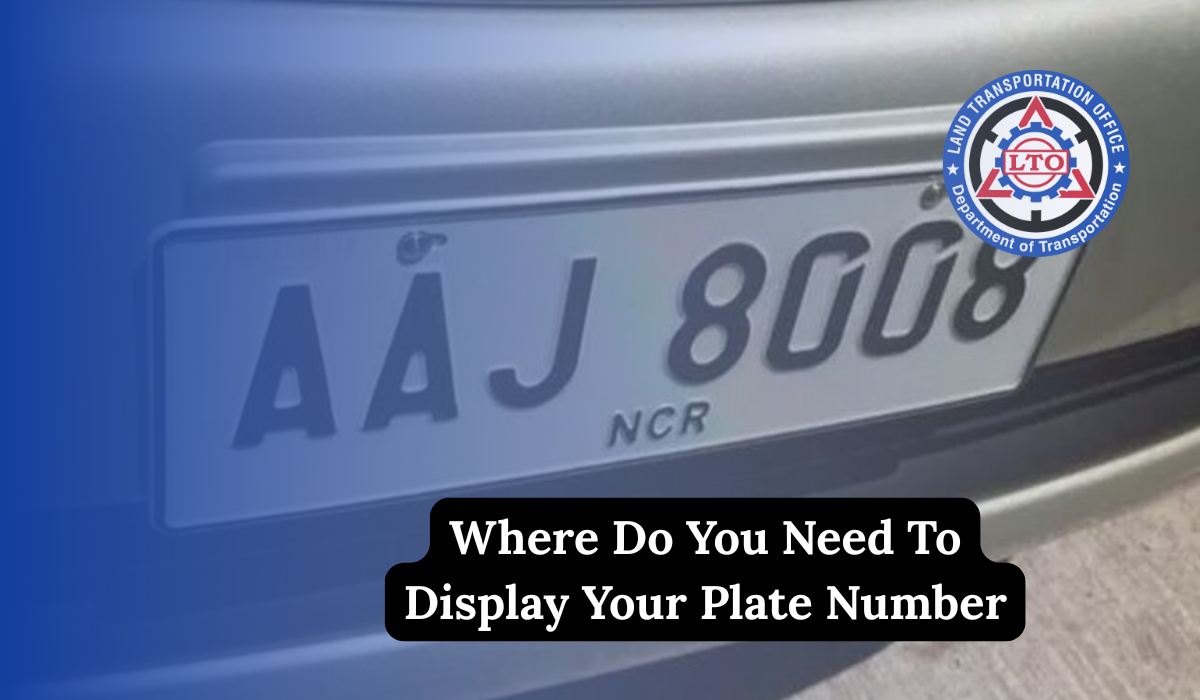
Where Do You Need To Display Your Plate Number. Have you ever seen a vehicle on the road without a plate number and wondered if it was allowed? Many drivers in the Philippines place their plate numbers wherever it looks right, without knowing the rules set by the Land Transport Office (LTO). A plate number is not just a metal plate; it is your vehicle’s official identity. It proves that your car or motorcycle is registered, legal, and allowed on public roads. Under Republic Act No. 4136 and LTO Memorandum Circular VPT-2013-1772, plate numbers must be displayed clearly on motor vehicles’ front and rear.
This rule is also critical for the LTO exam. Knowing proper placement, installation, and visibility helps you avoid fines, penalties, and vehicle impoundment.
What Is a Plate Number and Why Is It Important?
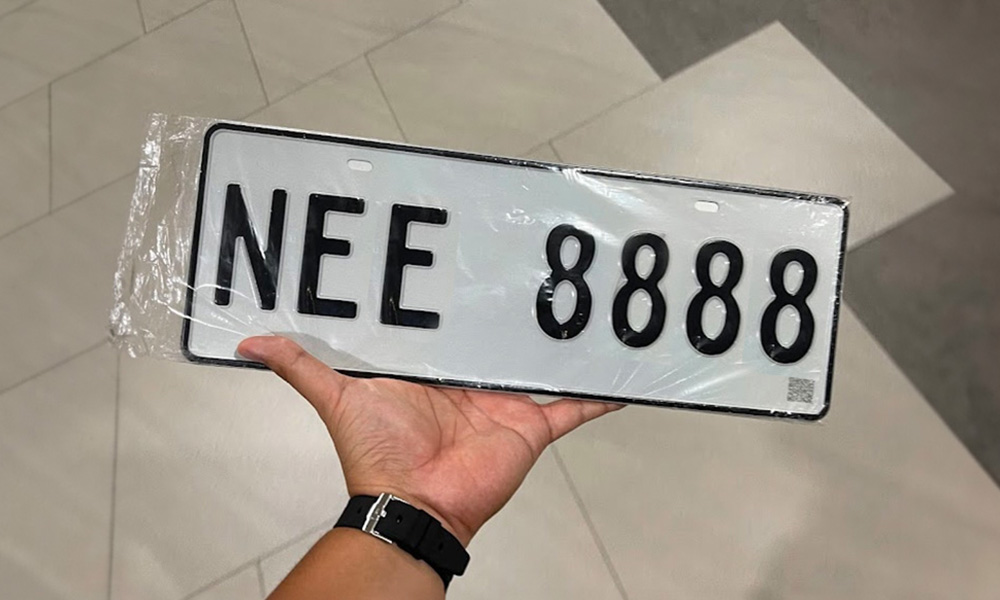
A plate number is a slim metal plate with letters and numbers printed on it. It is issued by the Land Transportation Office (LTO) after your vehicle is registered.
Even though it looks simple, your plate number plays a very big role:
- It proves your vehicle is registered
- It helps identify your vehicle during traffic violations
- It helps trace stolen vehicles
- It is required for toll roads, parking systems, and checkpoints
- It shows your vehicle is legal to use on public roads
Without a plate number, your vehicle is technically not allowed on the road.
Legal Basis for Plate Number Display in the Philippines
The rules about plate numbers are not random. They are clearly written in Philippine law.
Republic Act No. 4136 (Land Transportation and Traffic Code)
Republic Act No. 4136 states that:
Every motor vehicle must display a license plate in front and at the rear.
This law applies to:
- Cars
- SUVs
- Vans
- Trucks
- Motorcycles
LTO Memorandum Circular VPT-2013-1772
According to this LTO memorandum:
License plates must be attached and displayed in conspicuous places on the front and rear ends of the motor vehicle.
“Conspicuous” simply means:

- Easy to see
- Not hidden
- Not blocked
- Clearly readable
These rules are strictly enforced during:
- LTO inspections
- Traffic stops
- Road checkpoints
- LTO written and practical exams
Where Do You Need to Display Your Plate Number for the LTO Exam?
This is a very common LTO exam question, and many applicants fail because of confusion.
Correct Answer for LTO Exam
For cars and four-wheel vehicles:
- Front plate: On the front bumper or grille
- Rear plate: On the rear bumper or center back
Your plate number must NOT be:
- Inside the windshield
- On the dashboard
- Hung by strings
- Covered by tint or plate frames
During the LTO exam, always remember:
Front and rear, visible, and properly mounted.
Where Should Car Plate Numbers Be Displayed?
Let’s break it down clearly.
Front Plate Placement for Cars
The front plate should be:
- Mounted on the front bumper
- Placed in the center, if possible
- Firmly attached using bolts or screws
- Facing straight, not tilted
Not allowed:
- Inside the windshield
- On the dashboard
- Side-mounted in a hidden area
- Attached using tape or wire
Rear Plate Placement for Cars
The rear plate should be:
- Mounted at the center back
- Just above the rear bumper
- Clearly visible
- With a working plate light at night
Your rear plate must be readable even at night. A broken plate light can cause problems during inspection.
LTO Rules on Plate Number Visibility
The LTO has very clear rules about plate visibility. Your plate number must always be:
- Clean and readable
- Firmly attached
- Free from covers or tints
- Visible from at least 20 meters
- Lighted at night (rear plate)
Even small issues like dirt, scratches, or faded letters can cause trouble during checkpoints.
Can You Put the Plate Number Inside the Windshield?
Ans: NO, Some drivers place their plate number inside the windshield to “protect” it. This is not allowed.
Why?
- Glare from glass reduces visibility
- Reflection makes it hard to read
- Traffic cameras may not capture it clearly
Tip: Avoid placing plates behind glass, even temporarily. Always mount them outside.
Motorcycle Plate Number Rules in the Philippines
Motorcycles follow special rules, and these are often stricter.
Motorcycle Crime Prevention Act (RA 11235)
Under Republic Act No. 11235:
- Motorcycles must have a large rear plate
- Plate must be flat, clear, and readable
- Tampering, hiding, or altering is illegal
Where Should Motorcycle Number Plates Be Displayed?
Rear Plate Placement (Motorcycles)
The rear plate must be:
- Installed at the back of the motorcycle
- Mounted vertically or flat
- Facing straight
- Clearly readable from behind
Not allowed:
- Folded plates
- Curved plates
- Hidden under the seat
- Tilted sharply
- Mini or decorative plates
Front Plate or Decal (If Required)
Some motorcycles require a front decal:
- Placed on the windshield or fairing
- Must follow LTO size and placement rules
Always check LTO instructions for your specific motorcycle type.
How to Install a Plate Number on a Motorcycle?
Proper installation matters. Here is a simple step-by-step guide.

Step 1: Use an LTO-Approved Plate Bracket
Choose a strong metal bracket designed for motorcycles.
Step 2: Align the Plate Properly
Make sure:
- Plate is straight
- Not tilted or bent
- Facing backward clearly
Step 3: Use Proper Screws and Bolts
Use:
- LTO-provided bolts
- Plate locks
- Nuts and washers
Avoid:
- Tape
- Plastic ties
- Wire
Step 4: Tighten Securely
The plate should not:
- Shake
- Rattle
- Fall off while riding
Step 5: Check Visibility
Stand behind the motorcycle and check:
- Is it readable?
- Is anything blocking it?
If yes you’re good to go.
Temporary Plates and Conduction Stickers
If your vehicle is new and waiting for a permanent plate:
Temporary Plates
Allowed if:
- Printed clearly
- Correct format
- Firmly mounted
- Readable from a distance
Conduction Stickers
- Must be visible
- Usually placed on windshield or rear
- Must not be removed or covered
Driving without any plate or sticker is a violation.
Common Plate Number Violations and Penalties
Here are the most common mistakes and penalties:
| Violation | Description | Penalty |
|---|---|---|
| Plate not properly attached | Plate inside windshield or dashboard | ₱5,000 |
| Covered or unreadable plate | Dirt, tint, or fancy frame | ₱5,000 |
| One plate missing | Front or rear plate absent | ₱5,000 |
| No plate or temporary plate | No plate or sticker at all | ₱10,000 + possible impound |
These fines are avoidable if you simply follow the rules.
Tips for Proper Use and Care of LTO License Plates
To avoid trouble, follow these simple tips:
- Clean your plate regularly
- Use proper screws and bolts
- Avoid tinted or decorative covers
- Do not modify letters or numbers
- Replace damaged or lost plates immediately
Remember, license plates are government property, not personal accessories.
What to Do If Your Plate Is Lost or Damaged?
If your plate is:
- Lost
- Stolen
- Damaged
You must:
- File an affidavit of loss or mutilation
- Report to the LTO branch
- Request a replacement
- Use an LTO-approved temporary plate
The temporary plate is valid for 90 days only.
Why Proper Plate Display Really Matters
Some drivers think plate placement is not important. That’s a big mistake.
Your plate number:
- Protects you
- Proves ownership
- Helps recover stolen vehicles
- Keeps roads safer
- Shows responsibility
Following this simple rule saves you from:
- Stress
- Fines
- Delays
- Vehicle impoundment
FAQs
Where do you need to display your plate number for the LTO exam?
Ans: For the LTO exam, the correct answer is that the plate number must be displayed on the front and rear of the vehicle. It should be clearly visible, properly attached, and not placed inside the windshield or dashboard.
Is it allowed to place the plate number inside the windshield?
Ans: No, it is not allowed. The LTO requires plate numbers to be mounted outside the vehicle, on the front and rear bumpers. Placing it inside the windshield can reduce visibility and may result in a fine.
Where should motorcycle number plates be displayed in the Philippines?
Ans: Motorcycle number plates must be displayed at the rear of the motorcycle, mounted flat and clearly visible. Some motorcycles also require a front decal, which must be placed in the LTO-approved location.
Can motorcycle plate numbers be tilted or folded?
Ans: No. Tilted, folded, curved, or hidden motorcycle plates are not allowed. Under the Motorcycle Crime Prevention Act (RA 11235), the plate must be flat, readable, and facing straight.
What law requires vehicles to display plate numbers in front and rear?
Ans: The requirement comes from Republic Act No. 4136, also known as the Land Transportation and Traffic Code, and is enforced by the Land Transportation Office (LTO).
What happens if one plate number is missing?
Ans: If either the front or rear plate is missing, you may be fined ₱5,000. Authorities may also flag you during checkpoints or inspections.
Are tinted or decorative plate covers allowed?
Ans: No. Tinted, reflective, or decorative plate covers are not allowed because they make the plate hard to read. Plates must always be clear and readable.
Can I customize my license plate number?
Ans: No. You are not allowed to change the color, font, spacing, or design of your plate number. Even with vanity plates, only the letter and number combination can be chosen — not the design.
What should I do if my plate number is lost or damaged?
Ans: You must report it to the LTO, file an affidavit of loss or damage, and request a replacement. The LTO may allow you to use a temporary plate for up to 90 days while waiting for the new one.
Are temporary plates and conduction stickers allowed?
Ans: Yes. Temporary plates and conduction stickers are allowed as long as they are clear, readable, properly placed, and follow LTO guidelines. Driving without any plate or sticker is a violation.
Conclusion
Displaying your plate number correctly is essential for Filipino drivers. According to LTO rules and Republic Act 4136, all vehicles must have plates clearly visible at the front and rear. Motorcycles require a rear plate, sometimes a front decal. Proper installation, keeping plates clean, and avoiding modifications prevent fines and ensure vehicle identification. Following these guidelines keeps your vehicle legal, safe, and contributes to safer roads for everyone.