LTO Investigates Covered License Plate Modus Under NCAP, Warns Motorists of Fines, License Suspension And Criminal Penalties
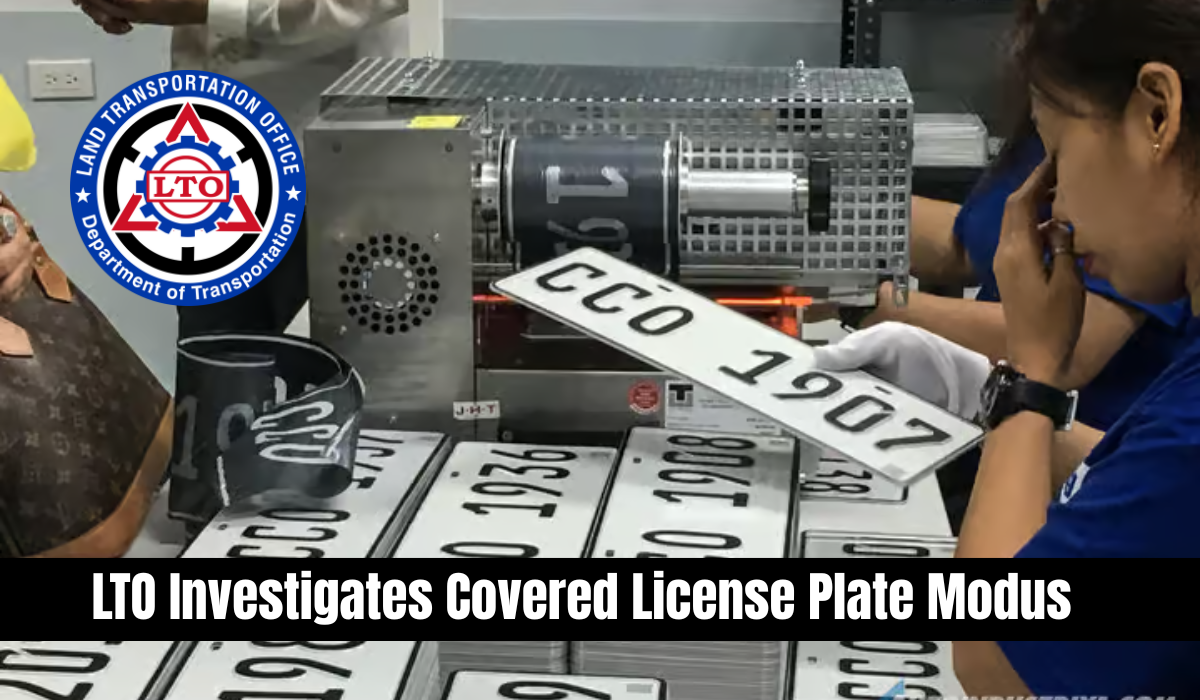
LTO Investigates Covered License Plate Modus. The Land Transportation Office (LTO) of the Philippines has been actively investigating a rising issue that involves motorists using deceptive tactics to evade traffic violations under the No-Contact Apprehension Policy (NCAP). This method, known as the covered license plate modus, involves drivers obscuring their vehicle’s license plates, often using materials like electrical or packaging tape, to prevent detection by traffic enforcement systems.
In this article, we will explore how this modus operandi works, how the LTO investigates these violations, the penalties involved, and the legal implications for motorists caught attempting to bypass traffic laws.
What is the Covered License Plate Modus?
The covered license plate modus refers to the practice where motorists deliberately cover their vehicle’s license plate to avoid being detected by traffic enforcement systems such as the NCAP. These enforcement systems rely heavily on clear license plate visibility to identify and apprehend violators of traffic laws. By covering the license plates, motorists seek to bypass detection and evade penalties associated with traffic infractions.
Why Do Motorists Cover Their License Plates?
The primary goal behind this tactic is to prevent the NCAP system from identifying the vehicle’s registration number. NCAP utilizes CCTV cameras and automatic number plate recognition (ANPR) technology to capture images of vehicles committing violations such as running red lights, speeding, or disregarding no-parking zones. However, when a license plate is obscured, the technology fails to capture the vehicle’s identity, allowing the driver to evade the traffic ticket that would otherwise be issued.
While this might seem like a clever way to bypass the system, it is a clear violation of the law and carries serious consequences for both the driver and the registered vehicle owner.
LTO Response to the Covered License Plate Modus
1. Alarm and Investigation
Once the LTO becomes aware of a vehicle with a covered license plate, they place the vehicle under alarm. This means that the vehicle’s license plate and any associated transactions (such as vehicle registration, renewals, or license renewals) are put on hold until the issue is resolved. This system ensures that no further actions can be taken with the vehicle until the investigation is complete.
2. Show Cause Orders (SCOs)
The LTO issues a Show Cause Order (SCO) to the registered owner and driver of the vehicle. This order demands that both the driver and the vehicle owner provide a written explanation for why they should not face penalties. The SCO serves as an official notice that a violation has occurred and that the individuals involved must justify their actions.
SCOs are essential for maintaining transparency in the process and ensure that the vehicle owners and drivers are given a chance to explain their actions before any penalties are imposed.
3. Penalties for Violating License Plate Laws
Motorists found guilty of covering their license plates face administrative penalties and criminal liability under the Land Transportation and Traffic Code (Republic Act No. 4136). These penalties are outlined below:
- Administrative Penalty: The driver and the vehicle owner face a fine of P5,000 for the administrative violation of obstructing or covering the license plate.
- Criminal Liability: If the license plate is found to be tampered with, erased, or forged, the offender may face criminal charges that can lead to a prison sentence ranging from six months and one day to two years.
This dual approach of fines and criminal charges ensures that there is both a financial deterrent and legal consequences for anyone attempting to circumvent the traffic enforcement systems.
4. License Suspension/Revocation
As part of the penalties, the LTO may suspend or revoke the driver’s license for up to 90 days or even permanently in severe cases. This is in line with Section 27(a) of Republic Act 4136, which allows for the suspension or revocation of a driver’s license if they are found to be an improper person to operate a motor vehicle.
The Investigation Process: How the LTO Acts
Step 1: Social Media Monitoring
The LTO actively monitors social media platforms, including Facebook, Twitter, and Instagram, to track viral posts that show vehicles with covered license plates. Social media plays a crucial role in identifying offenders, as videos and photos often capture these incidents, making it easier for the LTO to investigate the matter.
Step 2: Evidence Collection
Once a covered license plate incident is identified, LTO officers collect evidence from social media posts, reports from the Metro Manila Development Authority (MMDA), or direct reports from the public. The evidence collected is then used to track down the vehicle owner and driver.
Step 3: Investigation and Apprehension
After gathering sufficient evidence, the LTO conducts an investigation and apprehends the offenders. The registered vehicle owner and driver must appear before the LTO’s Intelligence and Investigation Division to provide their written explanation for the covered license plate and any further violation they may have committed.
If the explanation is unsatisfactory, the LTO proceeds with imposing penalties as per the regulations.

Public Cooperation in Reporting Covered License Plates
The LTO encourages the public to play an active role in helping to combat this illegal practice by reporting any vehicles they observe with covered license plates. Public cooperation is essential in ensuring that rogue motorists do not get away with violating traffic laws.
Motorists who witness such offenses can submit evidence to the LTO through their official social media accounts or by visiting their nearest office. This creates a strong collaborative effort to prevent the misuse of traffic systems.
Legal Implications of Covering a License Plate
Violation of Republic Act 4136
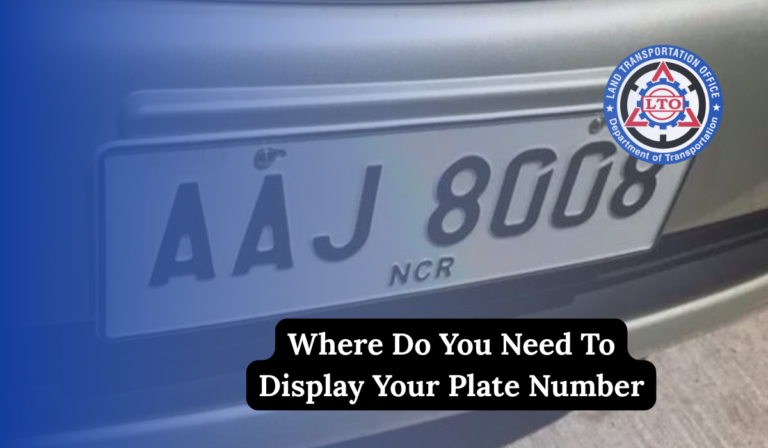
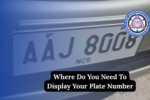
Under Section 18, Paragraph 2 of Republic Act No. 4136, covering, obstructing, or altering a license plate is a violation of the Land Transportation and Traffic Code. This law is specifically designed to ensure that all motor vehicles are easily identifiable for law enforcement purposes.
Motorists attempting to cover their license plates to evade the NCAP or other enforcement systems are not only committing an illegal act but also undermining the integrity of the country’s traffic enforcement systems. By evading detection, they are placing other road users at risk.
Additional Legal Consequences
Aside from the administrative penalties, covering a license plate may also be considered as a criminal offense. Tampering, forging, or concealing a license plate with the intent to deceive or evade detection by law enforcement is a serious crime.
The LTO works closely with other government agencies like the MMDA and the Philippine National Police (PNP) to track down offenders and bring them to justice.
Conclusion
In conclusion, the covered license plate modus is a serious offense that not only violates the Land Transportation and Traffic Code but also endangers the safety of other road users. The LTO has implemented strict measures to investigate and penalize violators, including the use of Show Cause Orders, vehicle alarms, and both administrative and criminal penalties.