How to Become an LTO Officer/Enforcer? – Qualifications – Requirements And Application Process
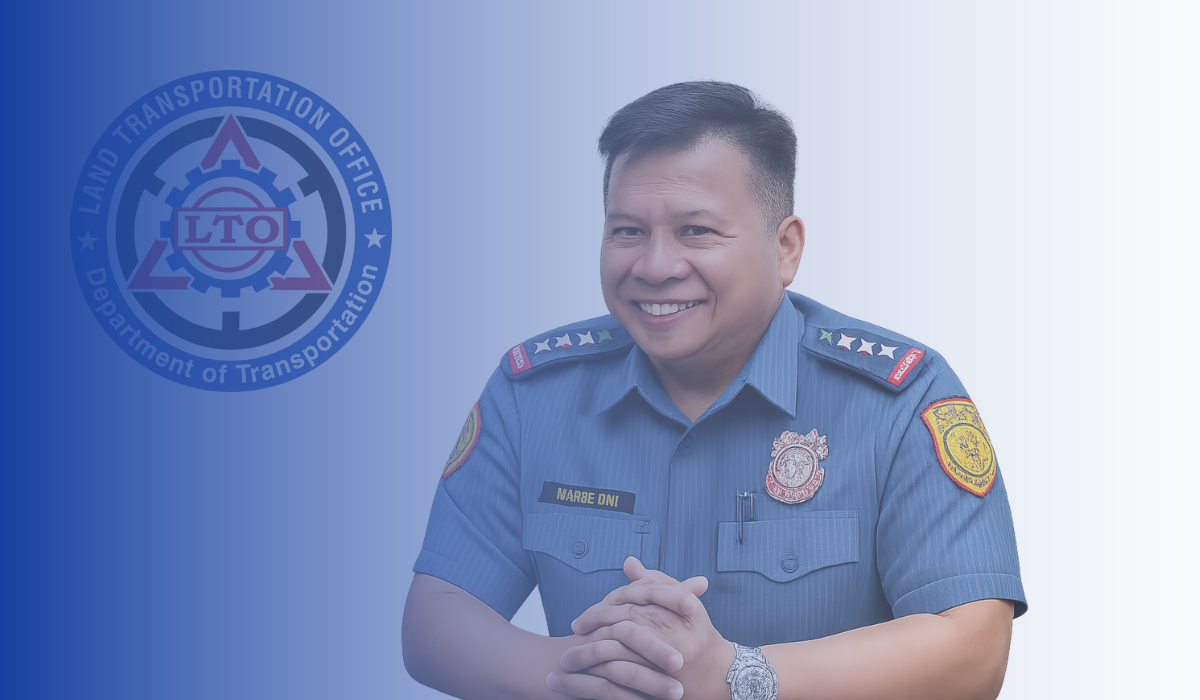
How to Become an LTO Officer/Enforcer? Candidates for Land Transportation Office (LTO) officer positions must meet specific educational and physical requirements, including a bachelor’s degree in a relevant field and passing a physical fitness test. The candidates will also be required to undergo comprehensive training on traffic laws and enforcement techniques, as well as a thorough background check to ensure their integrity and suitability for the position. Following the selection of successful candidates, uniforms and equipment necessary to perform their duties are provided.
LTO officers play an important role in ensuring the safety and order of our roadways, so understanding and appreciating their role is crucial. Through their enforcement of traffic laws, they contribute to the reduction of accidents and the promotion of responsible driving behaviors, thereby protecting lives and property. There would be an increase in traffic violations without LTO officers, resulting in chaotic road conditions, higher accident rates, and diminished public confidence in transportation systems.
What is an LTO Officer?
Transport Regulation Officers, commonly known as LTO officers, are specialized law enforcement officials responsible for enforcing the laws and regulations governing land transportation. Their role is essential in maintaining road safety, ensuring compliance with traffic rules, and reducing traffic-related incidents. The officers undergo rigorous training and are equipped with the knowledge and skills necessary to effectively manage traffic flow and address violations.
Officers of the LTO are distinguished from other law enforcement officers by their distinctive uniforms and the official LTO insignia displayed on their uniforms. It is common for them to make use of specialized equipment provided by the LTO, including communication devices and traffic enforcement equipment. In addition, their primary focus on transportation laws and road safety sets them apart from their competitors, as they adhere to LTO regulations and standards.
Duties and Responsibilities
LTO officers play a crucial role in ensuring the safety and security of the traveling public by enforcing transportation laws and regulations. They are responsible for a wide range of tasks designed to ensure compliance with traffic laws and ensure the safety of the public. The following is a detailed list of their primary duties and responsibilities:

- Maintain Traffic Laws: Ensure adherence to traffic regulations at the local and national levels.
- Conduct inspections: Make sure that vehicles are in compliance with safety and emission standards on a regular basis.
- Traffic Management: Direct and manage traffic flow in order to prevent congestion and maintain smooth vehicular movement.
- Investigating Accidents: Investigate traffic accidents in order to determine their causes and to enforce appropriate penalties.
- Issuing Citations: Make sure traffic laws are obeyed by issuing tickets to violators.
- Public Education: Make road safety and responsible driving part of public education campaigns.
- Providing Assistance: Provide assistance to motorists in distress or involved in traffic accidents.
- Report Writing: Prepare detailed reports on traffic incidents, violations, and enforcement operations.
- Collaboration: Coordinate efforts with other law enforcement agencies to improve road safety.
- Professional Development: Maintain up-to-date knowledge of traffic laws and enforcement techniques through periodic training.
How to Become an LTO Officer
The career of a LTO officer can be regarded as a prestigious career that entails making sure that roads and highways are safe and secure to travel on. Performing this role plays an important role in the enforcement of transportation laws and the promotion of road safety. Here are the requirements, qualifications, application process, and additional details such as training and qualifying criteria if you are interested in pursuing this profession.
Qualifications
The qualifications necessary to become an LTO law enforcer ensure you are capable of performing the job effectively and responsibly. The following criteria should be considered:
Educational Requirements
- Bachelor’s Degree: Applicants must possess a bachelor’s degree in a related field, such as criminology, law enforcement, or another relevant field.
Training
- Comprehensive Training: As a candidate, you will be required to participate in extensive training regarding traffic laws, enforcement techniques, and proper equipment usage.
Physical Fitness
- Fitness Test: A physical fitness test is required for candidates to ensure they are capable of handling the physical demands of the position.
Character and Integrity
- Background Check: Candidates are subjected to a thorough background check in order to determine whether they possess the necessary character and integrity to be successful in their position.
Additional Requirements
- Civil Service Examination: The applicant must pass the Civil Service Commission examination.
- Age Requirement: You must be a Filipino citizen between the ages of 21 and 35.
- Moral Character: Applicants should be of good moral character and should not have been convicted of any crimes involving moral turpitude.
- Height Requirement: Males must be at least 5 feet 2 inches tall and females must be at least 5 feet tall.
Training and Development
After meeting the qualifications, you must complete a rigorous training program. There is a 3-day training workshop offered by the LTO for law enforcement officers on the laws and regulations governing land transportation. The training is conducted by the Chief Assistant Secretary of the LTO and provides officers with the necessary skills and knowledge to enforce transportation laws effectively.
Key Training Components
- Traffic Laws and Regulations: A thorough understanding of traffic regulations.
- Enforcement Techniques: The right methods for enforcing laws and dealing with violations.
- Equipment Proficiency: Training on technology-enhanced enforcement tools.
- Firearms Training: Including firearms proficiency and self-defense training for safety and operational efficiency.
Application Procedures
Follow these steps if you are interested in becoming a LTO officer:
Step 1: Prepare Required Documents
- Personal Data Sheet (PDS): Completed with a recent passport-sized photo (CSC Form No. 212, Revised 2017).
- Performance Rating: If applicable, from the last rating period.
- Certificates and Licenses: A photocopy of the Certificate of Eligibility/Board Rating/License(s).
- Transcript of Records: A copy of a college transcript or a Form 137 if you graduated from high school.
Step 2: Submit Your Application
Applicants should submit their applications to the nearest LTO office or via the official website of the LTO. For the purpose of avoiding delays, please ensure that all documents are complete and correctly filled out.
Step 3: Attend Training
After your application has been accepted, you will be scheduled for a mandatory training program.
Uniform and Equipment
LTO officers are provided with uniforms and equipment required for the effective performance of their duties. The following are included:
- Standard Uniform: The LTO provides uniforms to maintain a professional appearance.
- Equipment: This includes tools such as communication devices, traffic enforcement gear, and firearms (with the appropriate training and authorization).
Salary and Benefits of an LTO Officer
Government positions in the Philippines are compensated according to salary grade levels.
| Rank | Approximate Monthly Salary (PHP) |
|---|---|
| Entry-Level LTO Officer | ₱20,000 – ₱27,000 |
| Mid-Level LTO Supervisor | ₱30,000 – ₱45,000 |
| Senior Officer/Director | ₱50,000 and above |
Impact of qualified LTO Officers
The LTO’s qualified officers play a significant role in ensuring that the roads are safe and orderly. It has been shown that the presence of these officers decreases traffic violations, resulting in a safer and more orderly traffic environment. By enhancing public trust and confidence in the LTO’s ability to enforce the law, the public is more likely to trust and rely on the agency.
Why Become an LTO Officer?
An LTO officer ensures that road users abide by traffic rules and regulations. The role offers:
- Competitive salary and government benefits
- Job stability
- Opportunities for career growth
- A chance to contribute to road safety and public welfare
Tips for Aspiring LTO Officers
Here are some key tips to improve your chances of being hired:

- Build a solid resume: Focus on relevant education and achievements.
- Join civil service review centers: To ensure you pass the CSC exams.
- Practice interviews: Develop strong communication and problem-solving skills.
- Stay updated: Always check for LTO hiring announcements and deadlines.
Professional Conduct and Work Ethics
As a public servant, an LTO officer is expected to adhere to high standards of professionalism. Ethical behavior and impartial enforcement are non-negotiable aspects of the role.
Essential Traits of a Good LTO Officer
- Integrity and honesty
- Accountability and transparency
- Professionalism in public interactions
- Respect for human rights
Violations of professional conduct can lead to administrative sanctions or termination.
Special Job Order Positions in LTO
Not all LTO positions are immediately permanent. Some officers start as Job Order (JO) employees. These roles:
- Are contractual in nature
- Offer the chance to gain experience
- May lead to permanent employment based on performance
Promotion Opportunities
Existing LTO personnel can apply for higher positions via:
- Letter of Intent
- Updated credentials
- Passing interviews and evaluations
Promotions depend on experience, merit, and eligibility.
FAQs About How to Become an LTO Officer/Enforcer?
What is the minimum educational requirement to become an LTO officer?
Ans: To become an LTO officer, you must have at least a bachelor’s degree in fields such as criminology, law, public administration, or a related course. This is a mandatory requirement before proceeding with application and training.
Do I need to pass a civil service exam to apply?
Ans: Yes, all applicants must possess Civil Service Eligibility by passing the Civil Service Commission (CSC) exam, either at the first or second level. This is crucial for qualification into government service roles like that of an LTO officer.
Is there an age limit for LTO officer applicants?
Ans: Yes. Applicants must be Filipino citizens between the ages of 21 and 35. This age requirement ensures candidates meet the physical and professional standards expected of law enforcement personnel.
What type of training does an LTO officer undergo?
Ans: Applicants who pass the screening process must undergo comprehensive training which includes:
- Traffic laws and regulations
- Law enforcement techniques
- Firearms proficiency
- Equipment operation
This training is critical for executing duties efficiently and legally.
Are LTO officers provided with equipment and uniforms?
Ans: Yes. Upon successful completion of training, LTO officers are issued standard uniforms and operational equipment, including communication devices and traffic enforcement tools. This ensures a professional appearance and operational readiness.
What are the height and fitness requirements to be an LTO officer?
Ans: Male applicants must be at least 5 feet 2 inches, and female applicants must be at least 5 feet tall. Additionally, all candidates must pass a physical fitness test to ensure they can meet the physical demands of traffic enforcement duties.
Can LTO Job Order employees become permanent staff?
Ans: Yes. While Job Order (JO) positions are contractual, they serve as stepping stones. Based on performance evaluations, submission of updated documents, and successful interviews, JO employees can be promoted to permanent positions within the LTO.
Conclusion
Becoming an LTO officer in the Philippines is a fulfilling and impactful career that requires dedication, training, and integrity. With structured qualifications, ethical standards, and a strong commitment to public service, LTO officers help shape safer roads and responsible driving culture. If you aspire to serve the nation while ensuring road discipline, now is the time to prepare, apply, and proudly contribute as an LTO enforcer.