How To Get a Driver’s License in the Philippines 2026: Complete Guide For User

How To Get a Driver’s License in the Philippines 2026. The Philippines is a country that rewards those who explore it on the open road. With over 7,000 islands, a mix of bustling cities and serene coastal towns, and highways connecting mountains to beaches, driving offers unmatched freedom and flexibility. Whether you are a short-term visitor planning a road trip or a long-term resident wanting full driving rights, knowing how to legally drive in the Philippines is essential.
Many foreigners wonder: Can I get a driver’s license in the Philippines? The good news is that yes. Foreigners can drive using their home country’s license for a limited period or with an International Driving Permit (IDP). Those staying longer can apply for a local Philippine driver’s license through the Land Transportation Office (LTO).
This complete guide will help you navigate the process of getting a driver’s license in the Philippines. From license types, fees, and requirements to practical driving tips and scenic routes, this guide covers everything you need.
Types of Driver’s Licenses in the Philippines
The Land Transportation Office (LTO) issues three types of licenses. Understanding them will help you choose the right one.
1. Student Permit
This is the entry-level permit allowing a person to learn how to drive under supervision.
- Validity: 1 year
- Purpose: Required before taking practical driving lessons.
- For: Beginners, including foreigners who want to start from scratch.
2. Non-Professional Driver’s License
This license is for personal, private use.
- Purpose: Drive cars or motorcycles for personal travel.
- Commercial Use: Not allowed
- For: Tourists, expats, or long-term residents who want driving freedom.
3. Professional Driver’s License
Required for driving vehicles for hire, like taxis, buses, or delivery trucks.
- Requirement: Stricter exams and qualifications
- For: Only those working as professional drivers in the Philippines.
For most foreigners, a non-professional license is the most relevant option.
Driving in the Philippines with a Foreign License
If you are visiting the Philippines short-term:
- You can use your foreign driver’s license for up to 90 days from your arrival.
- The license should be in English. If not, an official translation or International Driving Permit (IDP) is required.
- After 90 days, you must convert your foreign license to a Philippine license or apply for a new one.
This is helpful for tourists who want to rent a car immediately without lengthy paperwork.
Requirements for Getting a Driver’s License in the Philippines (for Foreigners)
For those staying longer than 90 days or seeking a local license:
- Be at least 18 years old
- Have been in the Philippines for more than 90 days
- Present your passport with entry stamp
- Hold a valid visa
- Provide your foreign driver’s license (original + photocopy)
- Submit a medical certificate and pass a drug test from an LTO-accredited clinic
Meeting these requirements allows you to apply for conversion or a new non-professional license.
Online Application Process at the LTO
Applying for a driver’s license involves multiple steps but is manageable if you follow them carefully:
- Visit an LTO branch
Large cities like Manila, Cebu, and Davao have multiple offices. - Submit Required Documents
Passport, visa, foreign license, medical certificate - Fill Out Application Form
Provided by the LTO staff - Pay Fees
Covers processing, examinations, and license issuance - Take Required Examinations
- Theoretical Driving Course (TDC): Covers traffic rules, road signs, and safety.
- Practical Driving Course (PDC): Hands-on driving test.
- License Approval & Printing
Many LTO branches release your license the same day.

Costs and Fees for a Driver’s License in the Philippines
Typical costs:
| Item | Cost (PHP) | Cost (USD) |
|---|---|---|
| Student Permit | 317.63 | 6 |
| Application Fee (Non-Professional) | 585 | 10 |
| Computer Fee | 67.63 | 1.20 |
| License Fee | 652.83 | 12 |
| Medical Exam | 450–600 | 8–11 |
Total: ₱1,500–₱2,000 (USD 25–35) — affordable compared to many countries.
Driving Rules and Regulations in the Philippines
- Speed Limits: Expressways 100 km/h, National roads 80 km/h, Urban areas 30–40 km/h, School zones 20 km/h
- Seatbelt Law: Mandatory for drivers and front passengers
- Motorcycle Helmets: Mandatory for driver and passenger
- Alcohol Limit: Maximum BAC 0.05%
- Mobile Phones: Hands-free use only
- Children: Under 12 cannot sit in front
Violations can result in fines, and roadside checks are common. Always carry your license, passport, and rental documents.
Emergency Numbers & Safety Tips
- Police: 117 or 911
- Ambulance & Fire: 911
- Highway Patrol: (02) 8532-8014
- Metro Manila Development Authority: 136
Driving tips:
- Be ready for heavy traffic in Metro Manila
- Watch out for motorcycles and tricycles weaving
- Drive cautiously at night in rural areas
- Avoid driving during typhoons or heavy rains
Road Travel & Best Driving Routes
Philippines offers breathtaking drives:
- Tagaytay & Batangas: Scenic views of Taal Volcano
- Baguio & Cordilleras: Mountain roads & rice terraces
- Ilocos Region: Historic Vigan & coastal highways
- Cebu & Bohol: Tropical beaches & countryside
- Palawan: Puerto Princesa to El Nido — one of the most scenic routes
- SCTEX & TPLEX Expressways: Modern toll roads connecting Manila to northern provinces
Tips for Foreign Drivers
- Adjust to Filipino driving habits (rules may be flexible)
- Use navigation apps like Waze and Google Maps
- Toll roads use RFID, check with rental companies
- Parking can be limited in cities
- Prepare for sudden weather changes, especially in rainy season
Converting Your Foreign License to a Philippine License
Foreigners staying longer than 90 days can convert their license. Benefits:
- Legal recognition nationwide
- Easier vehicle rentals
- Long validity (5–10 years depending on renewal rules)
Process:
- Submit foreign license & passport
- Provide medical certificate
- Exams may be required
International Driving Permit (IDP)
IDP allows you to drive legally in foreign countries.
How to obtain:
- Ensure eligibility (valid national driver’s license)
- Complete online application: IDP Application
- Pay required fees
- Submit documents
- Receive IDP
Costs:
- 1 Year: USD 39.99
- 2 Years: USD 54.99
- 3 Years: USD 69.99
Always carry both IDP and original license.
Avoiding LTO Fixers
Be cautious of people offering to “speed up” your application. Using fixers is illegal and may result in:
- Forged documents
- Disqualification
- License revocation
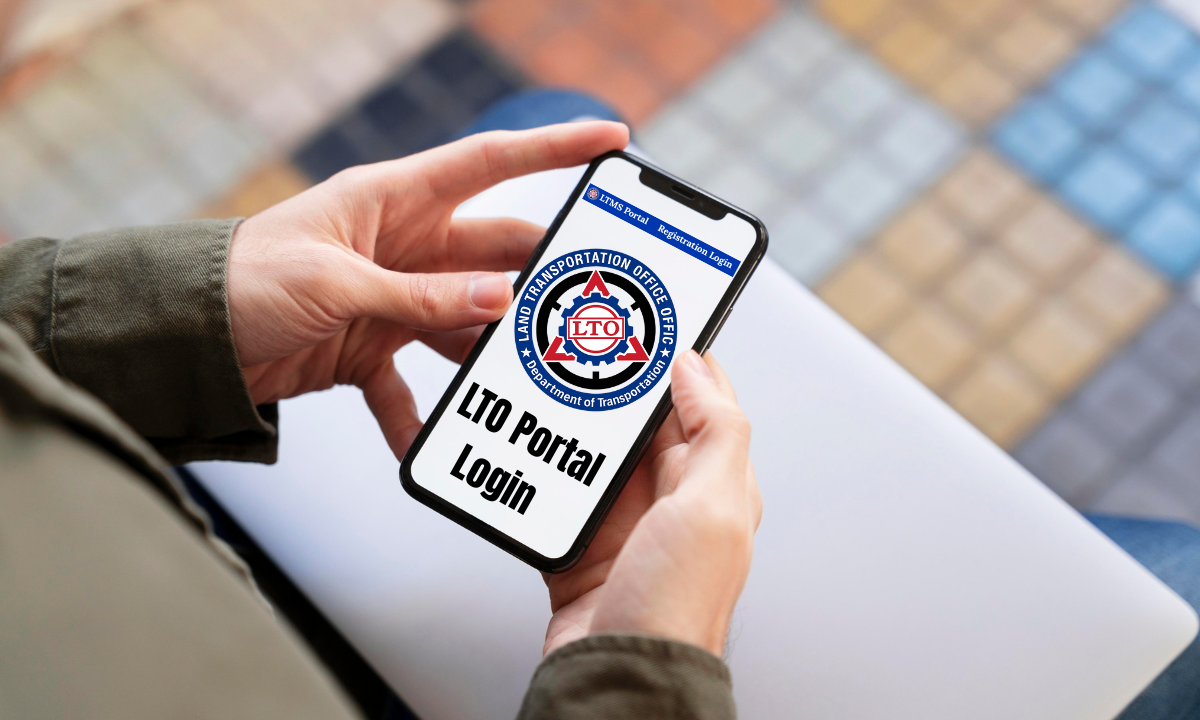
Use only the official LTO process, including the online portal (LTMS).
Visa & Residency Requirements
- Long-stay foreigners must have a valid visa, usually ACR I-Card or SRRV
- Tourist visas are valid for 90 days; extensions may be required
- Confirm document requirements with local LTO office
Step-by-Step Timeline for Foreigners
Stage 1: Pre-ACR (Day 1–59)
- Enter Philippines on tourist visa
- Take Theoretical Driving Course (TDC)
- Obtain medical certificate
Stage 2: Student Permit Application (Day 59–89)
- Secure ACR I-Card & visa extension
- Apply for student permit
- Begin 30-day holding period
- Complete Practical Driving Course (PDC)
Stage 3: Non-Professional License (Day 89+)
- Complete 30-day student permit waiting period
- Take written & practical exams
- Submit all documents & pay fees
- Receive non-professional license (valid 5 years, extendable to 10 years)
Common Errors and Reasons for Delay When Getting a Driver’s License in the Philippines
Getting a driver’s license in the Philippines can sometimes take longer than expected. Here are the main reasons for delays and common mistakes explained in steps:
Missing or Incorrect Documents
One of the biggest reasons for delay is submitting incomplete or wrong documents. This includes:
- Expired passport or visa
- Missing ACR I-Card for foreigners staying more than 90 days
- Foreign license not in English without official translation or IDP
- Old or invalid medical certificates
Tip: Double-check all your documents before visiting the LTO to avoid rejection.
Skipping Mandatory Courses
The Theoretical Driving Course (TDC) and Practical Driving Course (PDC) are required. Some applicants forget to complete them or submit incomplete certificates. Even if you have a valid foreign license, some branches still require proof of completed courses.
Tip: Complete both TDC and PDC at an LTO-accredited school and keep your certificates safe.
Not Following Waiting Periods
- For student permit holders, a 30-day holding period is mandatory before taking the practical test.
- Tourist visa holders must ensure they have stayed at least 90 days and have valid visa extensions.
Tip: Plan your application timeline carefully to avoid revisiting the LTO multiple times.
LTO Branch Issues
Some delays happen due to long queues, outdated systems, or technical glitches at certain LTO offices. Not all branches are fully integrated with the online LTMS portal.
Tip: Visit less busy branches if possible or book your appointment through the official LTMS online portal.
Attempting Shortcuts or Fixers
Some applicants try to use fixers or unofficial agents to speed up the process. This is illegal and often results in:
- Rejected applications
- Forged documents
- License disqualification
Tip: Always follow the official LTO process and avoid shortcuts.
FAQs About Getting a Driver’s License in the Philippines
Can foreigners drive in the Philippines?
Ans: Yes, foreigners can drive in the Philippines using their home country’s license for up to 90 days. If the license is not in English, an official translation or an International Driving Permit (IDP) is required. For longer stays, foreigners must convert their license to a Philippine driver’s license.
What types of driver’s licenses are available in the Philippines?
Ans: The LTO issues three types of licenses: Student Permit, Non-Professional Driver’s License, and Professional Driver’s License. The student permit is for beginners learning to drive, the non-professional license is for private use, and the professional license is required for commercial or public vehicles.
How old do I need to be to apply for a license in the Philippines?
Ans: Applicants must be at least 18 years old to get a non-professional license. For professional licenses, the minimum age is 21 years, and you must already have a non-professional license for at least one year.
What documents do I need to apply for a driver’s license as a foreigner?
Ans: Foreigners must provide a valid passport with entry stamp, visa, foreign driver’s license (original + photocopy), medical certificate, and Theoretical and Practical Driving Course certificates if applying for a new license. An ACR I-Card is required for long-term residents.
How long does it take to get a Philippine driver’s license?
Ans: The process can take a few hours to a few days depending on preparation and queue at the LTO. First-time applicants need to complete courses, exams, and submit documents, while foreigners converting a valid license may get it faster if exams are waived.
How much does a driver’s license cost in the Philippines?
Ans: Costs vary depending on the license type and location. On average, a non-professional license costs between ₱1,500–₱2,000 (USD 25–35), which includes fees for the student permit, medical exam, TDC/PDC courses, and license processing.
Can I drive immediately after arriving in the Philippines?
Ans: Yes, you can drive with a foreign license or IDP for up to 90 days. This allows tourists or short-term visitors to rent a car and drive legally without needing a local license immediately.
What are some important driving rules in the Philippines?
Ans: Drivers must follow speed limits, wear seatbelts, and ensure children under 12 sit in the back. Motorcycles require helmets, the blood alcohol limit is 0.05%, and mobile phone use must be hands-free. Violations can result in fines or penalties.
Do I need an International Driving Permit (IDP)?
Ans: An IDP is recommended if your foreign license is not in English or if you plan to rent a car. The IDP is valid along with your home license and is easy to obtain online. It also helps if you travel to other countries during your stay.
Can I hire someone to speed up my LTO application?
Ans: No. Hiring fixers is illegal and risky. Only official LTO processes and online portals (LTMS) should be used. Following the legal procedure ensures your license is valid, authentic, and recognized nationwide.
Concluusion
Getting a driver’s license in the Philippines may seem complicated, but with proper planning and following official LTO procedures, the process is straightforward. For tourists, a foreign license or IDP is sufficient for short stays. For long-term residents, obtaining a local non-professional license offers legal driving privileges, peace of mind, and the freedom to explore one of the world’s most beautiful countries by car.