Fake NCAP Links And Scams In The Philippines 2026: Complete Safety Guide For Drivers
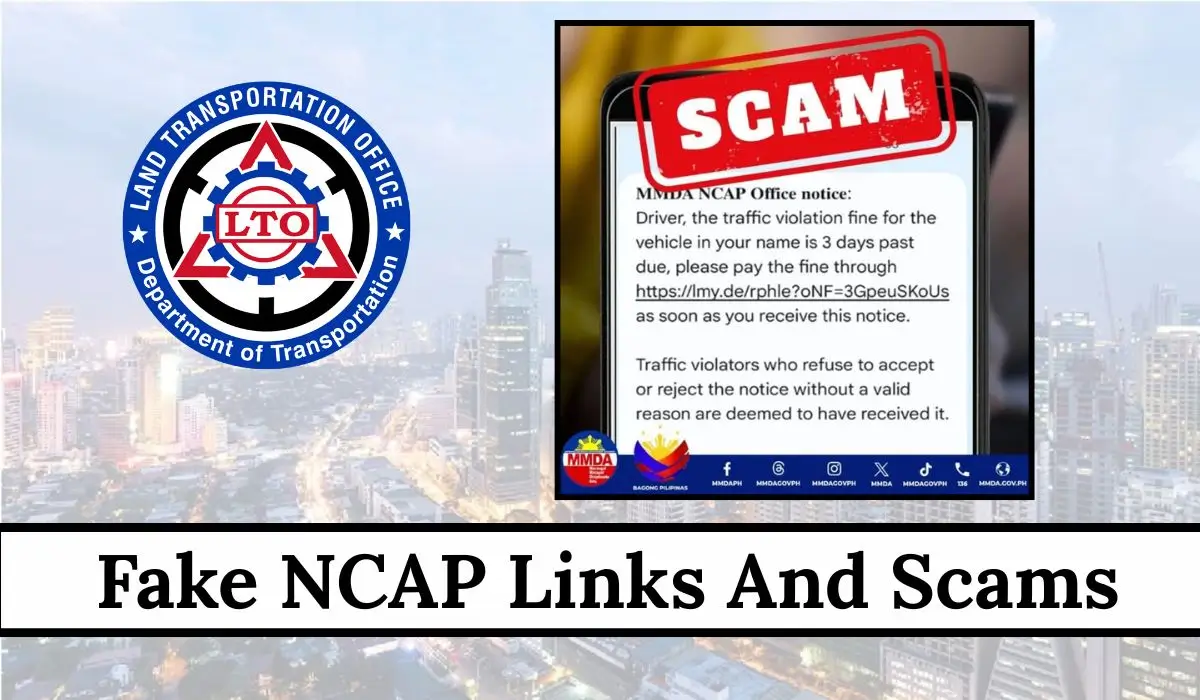
Fake NCAP Links And Scams In The Philippines 2026. Fake NCAP links and online scams in the Philippines are becoming a serious problem for drivers and vehicle owners. Many scammers now send fake messages that look like official notices from the Metro Manila Development Authority (MMDA). These scam messages usually claim that a driver has committed a traffic violation under the No Contact Apprehension Policy (NCAP).
The message often contains a suspicious link that encourages the receiver to click immediately, verify personal information, or pay a fake penalty. At first glance, these notifications can look real because scammers copy the style, wording, and even the sender name used by official government agencies.
Because of this, many people accidentally click the fake links without realizing they are entering a dangerous phishing website. Once a victim provides personal or banking information, scammers may steal private data, access accounts, or take money from victims.
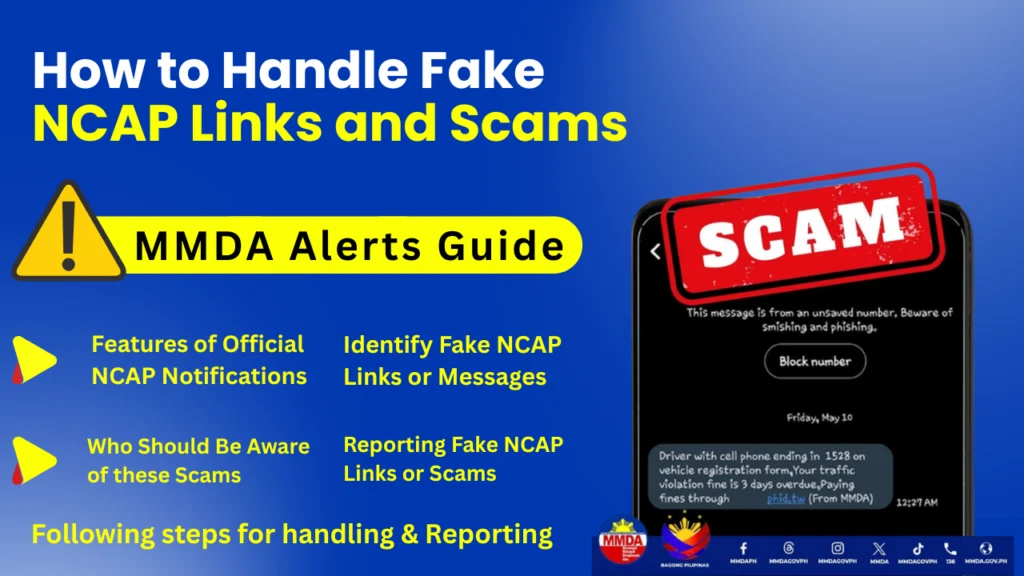
In this complete guide, you will learn everything about fake NCAP links and scams in the Philippines, including how official NCAP notifications look, how scammers operate, how to identify fake messages, where to report scams, and important safety tips for staying protected online.
What Are Fake NCAP Links And Scams?
Fake NCAP links are fraudulent websites or scam messages that pretend to be official traffic violation notices from the MMDA. These scams are created to trick people into clicking dangerous links, sharing personal details, or making fake payments.
NCAP stands for No Contact Apprehension Policy, a traffic enforcement system used in Metro Manila. Under this system, traffic violations are recorded through cameras instead of physical apprehension by officers on the road.
Because many drivers receive legitimate NCAP notices, scammers use this opportunity to send fake messages that appear official. Their goal is usually to:
- Steal personal information
- Access banking details
- Collect fake payments
- Spread malware to devices
- Commit identity theft
- Scam drivers using fear and urgency
These fake notifications may arrive through:
- SMS messages
- Emails
- Social media messages
- Messaging apps
- Fake websites
- Online advertisements
Some scam messages even use the same sender name as official agencies, making them look very convincing.
Why Fake NCAP Scams Are Dangerous
Many people underestimate online scams until they become victims themselves. Fake NCAP scams are dangerous because they target drivers using fear and pressure. Scammers usually claim:
- You have unpaid traffic violations
- Your license may be suspended
- Legal action may be taken
- Your vehicle registration may be blocked
- You must pay within 24 hours
Because the message sounds urgent, victims may panic and click the link immediately without checking whether it is legitimate. The biggest dangers include:
| Risk | Description |
|---|---|
| Identity Theft | Scammers may steal your personal information |
| Financial Loss | Victims may lose money through fake payments |
| Banking Fraud | Fake sites may collect ATM or banking details |
| Malware Infection | Dangerous links can infect phones or computers |
| Privacy Risks | Personal data may be sold or misused |
| Account Hacking | Login credentials may be stolen |
These scams are becoming more advanced every year, so awareness is extremely important.
Understanding The Real NCAP System
Before identifying fake notifications, it is important to understand how the real NCAP system works.
The No Contact Apprehension Policy is implemented to improve traffic management and road discipline in Metro Manila. Instead of stopping drivers physically, authorities use CCTV cameras and digital systems to record traffic violations. Common NCAP violations include:
- Illegal parking
- Beating the red light
- Illegal turns
- Lane violations
- Driving in restricted areas
- Obstruction violations
When a legitimate violation occurs, the registered vehicle owner may receive an official notice from the MMDA. However, scammers now copy these notices to deceive people.
How Official NCAP Notifications Look
Before taking action on any NCAP notification, you should first verify whether the message is genuine. Here are the important features of legitimate NCAP notifications.
Official MMDA Sender Name Or Email
Official notifications usually come from authorized MMDA communication channels. Examples include:
- MMDA_NCAP
- [email protected]
Be careful with unknown numbers or suspicious email addresses.
Complete Violation Details
Real notices contain accurate details such as:
- Vehicle plate number
- Date of violation
- Time of violation
- Location
- Type of traffic violation
Scam messages often provide incomplete or random information.
Unique Reference Number
Every official NCAP notice contains a unique tracking or reference number.
This helps authorities monitor and verify the case properly.
No Clickable Payment Links
One of the biggest warning signs of fake NCAP messages is the presence of payment links.
Legitimate MMDA notifications do not ask users to click payment links inside SMS or emails.
Official Website Reference
Official notices only direct users to the verified MMDA portal: https://mayhulika.mmda.gov.ph
Drivers should manually visit this website instead of clicking links inside messages.
Professional Formatting
Official notices are professionally written. They normally include:
- Proper grammar
- Correct spelling
- Organized formatting
- Official logos
- Clear instructions
Fake messages usually contain spelling errors, strange symbols, or awkward wording.
Common Signs Of Fake NCAP Messages
Scammers try to make fake notifications look real, but there are several warning signs you should never ignore.
Poor Grammar And Spelling Errors
Most scam messages contain:
- Broken English
- Typing mistakes
- Strange wording
- Missing punctuation
Government agencies usually send professionally written notices.
Urgent Threats And Pressure
Scammers create fear to force victims into acting quickly. Examples include:
- “Pay within 24 hours”
- “Your account will be blocked”
- “Legal action will begin immediately”
- “Final warning”
Real agencies usually provide proper procedures and timelines.
Suspicious Links
Always inspect the website link carefully. Fake links often:
- Use strange website names
- Contain extra characters
- Mimic official domains
- Use shortened URLs
Never trust unknown links sent through text or email.
Requests For Personal Information
Scammers may ask for:
- Banking information
- OTP codes
- Passwords
- Credit card numbers
- Personal identification details
Government agencies do not request sensitive financial information through SMS.
Unknown Sender Numbers
Be careful when receiving notices from:
- Random mobile numbers
- Unverified accounts
- Unknown emails
Even if the sender name looks familiar, scammers may still be spoofing the identity.

What Is SMS Spoofing?
One of the most dangerous tactics used by scammers is called SMS spoofing. SMS spoofing allows criminals to make fake messages appear as if they come from trusted sources like the MMDA. Because of this technique:
- Fake texts may appear in the same conversation thread as real messages
- Victims may believe the message is genuine
- Scammers can imitate official sender IDs
This is why users should never trust a message based only on the sender name. Always verify directly through official channels.
Who Should Know About Fake NCAP Scams
Awareness is important for everyone, not only drivers.
Vehicle Owners
Anyone who owns a vehicle may receive fake NCAP notices.
Drivers
Drivers in Metro Manila are primary targets because they regularly encounter traffic enforcement systems.
Families And Parents
Parents managing family vehicles should understand how these scams work.
Companies With Fleet Vehicles
Businesses with multiple vehicles should educate employees about scam prevention.
General Internet Users
Even non-drivers should understand online scams to protect their privacy and devices.
How To Verify Real NCAP Violations
The safest way to check violations is through the official MMDA portal.
Official NCAP Website
Always use: https://mayhulika.mmda.gov.ph
Do not trust links received through:
- SMS
- Messaging apps
- Social media
Verify Using Official Details
You may need:
- Plate number
- MV file number
- Official notice number
Contact MMDA Directly
If unsure, contact official MMDA hotlines instead of replying to suspicious messages.
What To Do If You Receive A Fake NCAP Message
Receiving a suspicious NCAP message can be stressful, but staying calm is important. Follow these steps immediately.
Step 1: Do Not Click The Link
Never click suspicious links. Avoid:
- Opening the URL
- Downloading attachments
- Entering passwords
- Providing banking information
Step 2: Take Screenshots
Save evidence such as:
- SMS screenshots
- Email screenshots
- Website URLs
- Sender details
This information helps authorities investigate the scam.
Step 3: Record Important Information
Write down:
- Date received
- Time received
- Sender number
- Email address
- Device used
Step 4: Report To Hotline 1326
You can report online scams through the Inter-Agency Response Center (I-ARC).
Hotline Information
- Hotline: 1326
This hotline is supported by:
- DICT
- CICC
- NPC
- NTC
Step 5: Report To The CICC
The Cybercrime Investigation and Coordinating Center (CICC) handles online scam investigations.
Official Website
- cicc.gov.ph
Provide:
- Scam screenshots
- Suspicious links
- Sender details
- Incident description
Step 6: Notify The National Privacy Commission (NPC)
If you entered personal information, report the incident immediately.
NPC Contact Information
- Email: [email protected]
- Website: privacy.gov.ph
The NPC helps address privacy and data exposure issues.
Step 7: Contact The PNP Anti-Cybercrime Group
The PNP Anti-Cybercrime Group investigates cyber-related offenses.
Contact Details
| Contact Method | Information |
|---|---|
| Hotline | (02) 8723-0401 |
| [email protected] |
Step 8: Report Fake Links To Google
Google allows users to report phishing websites.
Safe Browsing Reporting Tool
Use: https://safebrowsing.google.com/safebrowsing/report_phish
This helps block malicious websites from harming more users.
Step 9: Warn Family And Friends
Tell others about the scam. Sharing awareness can help:
- Prevent financial loss
- Stop scammers
- Protect vulnerable users
Requirements For Filing Scam Complaints
When reporting fake NCAP scams, authorities may ask for the following information.
Copy Of The Suspicious Message
Include:
- SMS screenshot
- Email copy
- Scam URL
Sender Information
Provide:
- Mobile number
- Email address
- Sender name
Date And Time
Record exactly when the message was received.
Your Contact Information
Authorities may need:
- Full name
- Email address
- Contact number
Actions Taken
Mention whether you:
- Clicked the link
- Ignored the message
- Entered personal data
- Downloaded anything
Device Information
Optional but helpful details include:
- Mobile device type
- Operating system
- Browser used
Red Flags Every Driver Should Remember
The MMDA continues reminding the public about important scam warning signs.
Real MMDA Notifications Do NOT Include
- Payment links
- Reply-to-sender instructions
- SMS payment requests
- Banking information requests
- Vehicle owner names in text
Common Scam Tactics Used By Fraudsters
Scammers use psychological tricks to manipulate victims.
Fear Tactics
Messages may threaten:
- Arrest
- Penalties
- License suspension
- Legal action
Fake Urgency
Scammers pressure users to act quickly.
Random Violation Claims
Some scammers send fake notices to random phone numbers, even if recipients do not own vehicles.
Fake Websites
Scam sites often copy official government designs.
Best Safety Tips To Avoid Fake NCAP Scams
Online safety awareness is the best protection.
Always Verify Before Acting
Never trust messages immediately.
Bookmark The Official MMDA Website
Save the real website in your browser.
Never Share OTP Codes
Banks and government agencies never ask for OTPs through SMS.
Avoid Clicking Unknown Links
Manual website access is always safer.
Keep Devices Updated
Updated devices have better security protection.
Use Antivirus Protection
Security software helps block malicious websites.
Educate Family Members
Older adults and inexperienced users are common scam targets.
Why Public Awareness Matters
Online scams continue growing because many people are unaware of the risks. Education helps:
- Reduce cybercrime
- Prevent identity theft
- Protect finances
- Improve digital safety
- Stop scam networks
The more people understand fake NCAP scams, the harder it becomes for scammers to succeed.
FAQs
What Are Fake NCAP Links In The Philippines?
Ans: Fake NCAP links are fraudulent websites or scam pages that pretend to be official notices from the Metro Manila Development Authority (MMDA). These fake links are usually sent through text messages, emails, or social media chats. Scammers use them to steal personal details, banking information, passwords, or payment details from victims. Many of these scam notifications look real because they copy official MMDA formatting and sender names. Drivers should always verify violations only through the official MMDA portal instead of clicking unknown links.
How Do Scammers Send Fake NCAP Notifications?
Ans: Scammers commonly send fake NCAP notices through SMS messages, emails, messaging apps, and social media platforms. They often use urgent language to scare drivers into acting quickly. Some messages claim that the recipient has unpaid traffic violations and must pay immediately to avoid penalties or legal action. In some cases, scammers also use SMS spoofing, which makes the message appear as if it came from an official government sender like MMDA. This tactic makes the scam look more believable.

How Can I Identify A Fake NCAP Message?
Ans: You can identify fake NCAP messages by checking for warning signs such as poor grammar, spelling mistakes, suspicious links, urgent threats, and requests for personal information. Legitimate MMDA notices usually contain complete violation details, official reference numbers, and professional formatting. Official notifications also do not contain clickable payment links. If a message asks you to click a strange URL or provide sensitive banking information, it is most likely a scam.
What Should I Do If I Receive A Fake NCAP Link?
Ans: If you receive a fake NCAP link, the first thing you should do is avoid clicking the link. Do not reply to the message or provide any personal information. Take screenshots of the message, save the sender details, and report the scam immediately to the proper authorities such as I-ARC, CICC, NPC, or the PNP Anti-Cybercrime Group. Reporting these scams helps investigators stop scammers and protect other people from becoming victims.
Can Fake NCAP Websites Steal Personal Information?
Ans: Yes, fake NCAP websites are designed to steal sensitive information from users. Once a victim enters personal details such as passwords, banking information, OTP codes, or identification numbers, scammers can use this data for fraud, identity theft, or unauthorized banking transactions. Some fake websites may also install malware on your device, which can further compromise your privacy and security. This is why users should never trust unknown links.
How Can I Verify Real NCAP Violations?
Ans: The safest way to verify real NCAP violations is by visiting the official MMDA website directly at mayhulika.mmda.gov.ph. Drivers should manually type the website address into their browser instead of clicking links from text messages or emails. You can check violations by entering your plate number and other required vehicle details. If you are unsure about a notification, you may also contact MMDA directly through their official hotline for confirmation.
Why Are Fake NCAP Scams Becoming Common?
Ans: Fake NCAP scams are becoming more common because many drivers are now familiar with digital traffic violation systems. Scammers take advantage of this by sending fake notices that create fear and urgency. Since many people rely on mobile devices and online services, criminals use phishing techniques to target users quickly and easily. SMS spoofing and fake websites also make these scams appear more professional and convincing than before.
Where Can I Report Fake NCAP Scams In The Philippines?
Ans: Victims or recipients of fake NCAP scams can report suspicious messages to several government agencies in the Philippines. These include the Inter-Agency Response Center (I-ARC) through Hotline 1326, the Cybercrime Investigation and Coordinating Center (CICC), the National Privacy Commission (NPC), and the Philippine National Police Anti-Cybercrime Group (PNP ACG). Users can also report phishing websites to Google Safe Browsing to help block harmful websites online.
What Happens If I Accidentally Click A Fake NCAP Link?
Ans: If you accidentally click a fake NCAP link, you should immediately close the website and avoid entering any information. If you already entered passwords or banking details, change your passwords immediately and contact your bank as soon as possible. It is also recommended to scan your device using antivirus software to check for malware or harmful applications. Reporting the incident quickly can help reduce the risk of financial loss or identity theft.
How Can Drivers Protect Themselves From NCAP Scams?
Ans: Drivers can protect themselves from NCAP scams by staying alert and verifying all notifications through official channels only. Never click suspicious links sent through SMS or email. Bookmark the official MMDA website and use it as your main source for checking violations. Avoid sharing personal information online unless you are certain the website is legitimate. Keeping devices updated, using antivirus protection, and educating family members about online scams can also improve digital safety and prevent fraud.
Conclusion
Fake NCAP links and scams in the Philippines are becoming more sophisticated every year. Scammers are using fake notices, phishing websites, SMS spoofing, and fear tactics to trick innocent people into revealing personal and financial information. Because these fake notifications often look convincing, every driver and internet user should learn how to recognize warning signs before taking any action.