LTO Conductor Reorientation Course 2026: Complete Guide, Requirements, Fees, Eligibility And Online Process
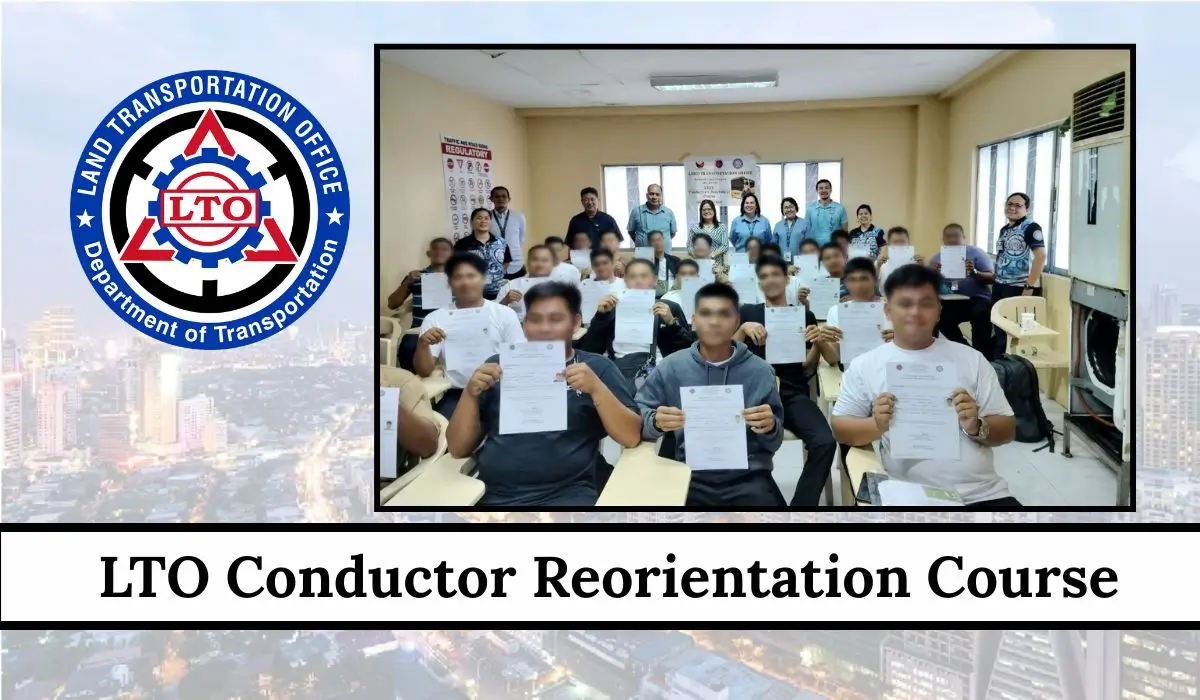
LTO Conductor Reorientation Course 2026. Public transportation is an important part of daily life, and conductors play a major role in keeping every trip safe, organized and comfortable for passengers. They are responsible for collecting fares, assisting commuters, maintaining order inside the vehicle, and helping ensure passenger safety during travel. Because of these responsibilities, conductors must stay updated with traffic rules, safety procedures, professionalism and proper passenger handling.
To support this goal, the Land Transportation Office (LTO) introduced the LTO Conductor Reorientation Course (CRC). This refresher training program is designed to improve the knowledge, discipline, and skills of conductors, especially those renewing their licenses or those with demerit points and violations. The course covers important topics such as road safety, customer service, emergency response, transportation regulations, and professional conduct.
The CRC also helps conductors understand their responsibilities more clearly and encourages them to provide better service to the public. In this guide, you will learn everything about the LTO Conductor Reorientation Course, including its purpose, requirements, enrollment process, fees, seminar topics, benefits, certificate details and other important information conductors should know.
What is the LTO Conductor Reorientation Course?
The LTO Conductor Reorientation Course (CRC) is a mandatory refresher seminar created for conductors of public utility vehicles (PUVs). The course helps conductors improve their knowledge, behavior, safety awareness, and professionalism while performing their daily work.
It is mainly intended for conductors who are:
- Renewing their Conductor’s License
- Required by the LTO because of violations
- Accumulating demerit points
- Returning to work after an expired license
- Asked by employers to complete refresher training
The course reminds conductors about the importance of discipline, road safety, proper passenger handling, and following transportation laws. The training is usually conducted by:
- LTO Driver Education Centers (DECs)
- LTO Regional Offices
- Traffic Safety Division (TSD)
- TESDA-recognized schools
- LTO-accredited training centers
The course normally lasts for several hours and includes discussions, videos, short activities, and examinations.
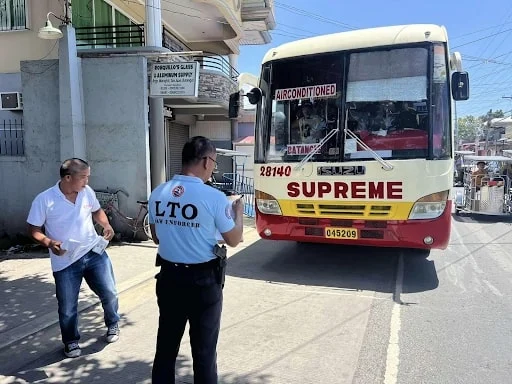
Importance of the LTO Conductor Reorientation Course
The transportation industry is one of the busiest sectors in the country. Every day, conductors deal with different passengers, traffic situations, emergencies, and challenges on the road.
Because of this, the government believes that conductors must receive continuous training and guidance. The LTO implemented the Conductor Reorientation Course to improve:
- Passenger safety
- Professionalism
- Road discipline
- Communication skills
- Emergency preparedness
- Compliance with transportation rules
This course is not only about renewing licenses. It is also about helping conductors become more responsible and professional workers. A trained conductor can greatly improve the passenger experience and reduce transportation-related problems.
Main Goals of the Conductor Reorientation Course
The LTO designed the CRC with several important objectives in mind.
1. Improve Road Safety
Safety is one of the biggest priorities in public transportation. Conductors help ensure passengers ride safely during every trip. The course teaches conductors how to:
- Follow traffic rules properly
- Assist passengers safely
- Prevent accidents
- Respond during emergencies
- Maintain order inside vehicles
2. Encourage Professionalism
Professional conductors help create a better transportation environment. The training encourages conductors to:
- Respect passengers
- Stay calm during stressful situations
- Avoid arguments
- Practice discipline
- Maintain proper behavior at work
3. Improve Passenger Service
Passengers feel more comfortable when conductors are polite, respectful, and helpful. The course teaches proper:
- Communication
- Customer service
- Passenger assistance
- Complaint handling
- Conflict management
4. Reduce Violations and Demerit Points
Many conductors attend the CRC because of violations or accumulated demerit points. The course reminds conductors about:
- Transportation laws
- Penalties
- Proper conduct
- LTO regulations
This helps reduce future violations.
5. Update Conductors About New Rules
Transportation rules may change over time. The seminar updates conductors about:
- New traffic laws
- LTFRB policies
- LTO regulations
- Passenger safety protocols
- Public utility vehicle guidelines
Eligibility Requirements For Enrollment
To enroll in the LTO Conductor Reorientation Course, applicants must meet certain qualifications.
Basic Eligibility Criteria
Applicants should:
- Hold a valid Conductor’s License
- Have an expired license eligible for renewal
- Have demerit points requiring reorientation
- Intend to renew their Conductor’s License
- Be physically fit
- Have sound mental condition
- Settle traffic violations if necessary
Documentary Requirements
Before enrolling in the CRC, applicants should prepare the required documents.
Required Documents
1. Conductor’s License
Applicants must bring:
- Original license
- Photocopy if required
2. Valid Government ID
Examples include:
- National ID
- Passport
- UMID
- Voter’s ID
- PhilHealth ID
3. Official Receipt (OR)
This serves as proof of payment for penalties or fines.
4. Temporary Operator’s Permit (TOP) or e-TOP
Applicants with violations may need to present:
- Pink copy of TOP
- Electronic TOP copy
5. Affidavit of Loss (If Needed)
If the TOP or documents were lost, applicants may need an Affidavit of Loss.
6. Violation Record Printout
Some applicants may need:
- Screenshot
- Printout from LTO Data Control Unit
showing violations and demerit points.
7. Registration Form
The form is usually provided at the training center or LTO office.
8. Company Endorsement Letter (Optional)
Some employers provide endorsement letters for their conductors.
Course Modules and Topics Covered
The LTO Conductor Reorientation Course includes several important lessons that help conductors improve their work performance.
1. Traffic Rules and Regulations
One of the most important parts of the course is understanding traffic laws. Topics include:
- Road signs
- Traffic signals
- Speed limits
- Public transport rules
- Loading and unloading regulations
- Passenger safety policies
The goal is to reduce violations and accidents.
2. Passenger Safety
Passenger safety is always important. Conductors learn about:
- Safe passenger handling
- Boarding and unloading procedures
- Assisting senior citizens and PWDs
- Emergency preparedness
- Vehicle evacuation procedures
3. Customer Service and Communication
Good communication creates a better travel experience. Lessons focus on:
- Respectful communication
- Helping passengers properly
- Staying calm during stressful situations
- Avoiding conflicts
- Handling complaints professionally
4. Fare Collection and Recording
Conductors are responsible for proper fare collection. The training discusses:
- Proper ticket issuance
- Correct fare handling
- Recording collections properly
- Preventing fare disputes
5. Ethics and Professionalism
Professional behavior is a major focus of the CRC. Conductors are taught to:
- Respect passengers
- Avoid rude behavior
- Wear proper uniforms
- Follow workplace discipline
- Show honesty and responsibility
6. Emergency Response Procedures
Unexpected situations can happen during trips. The course teaches:
- Emergency response
- Accident procedures
- Passenger evacuation
- Reporting incidents
- Coordination with authorities
7. Vehicle Safety Awareness
Although conductors do not drive, they still help maintain safety inside the vehicle. Lessons include:
- Identifying vehicle problems
- Monitoring passenger safety
- Checking overcrowding
- Reporting unsafe conditions
8. LTFRB and LTO Policies
Conductors are also updated about transportation rules from:
- LTO
- LTFRB
- Public transportation agencies
This helps them stay compliant with regulations.
How To Enroll in the LTO Conductor Reorientation Course
Enrollment procedures may vary slightly depending on the training center or LTO office. However, the general process is simple.
Step 1: Visit an Authorized Training Center
Applicants may visit:
- LTO Driver Education Centers
- LTO Regional Offices
- Traffic Safety Division offices
- Accredited schools
Step 2: Submit Requirements
Present all required documents for evaluation. The officer will verify:
- License records
- Violations
- Demerit points
- Identification documents
Step 3: Fill Out Registration Forms
Applicants must complete:
- Attendance sheet
- CRC application form
- Personal information forms
Step 4: Attend the Seminar
Conductors must attend the full seminar. The training may include:
- Discussions
- Videos
- Presentations
- Activities
- Quizzes
Step 5: Take the Examination
After the seminar, applicants usually take a short examination.
If passed:
- Certificate of Completion will be prepared
If failed:
- Retake may be scheduled
Step 6: Receive Certificate of Completion
Once approved, the applicant receives the CRC certificate. This document is important for license renewal.
Duration of the Course
The CRC is usually short. Most seminars last:
| Training Type | Estimated Duration |
|---|---|
| Half-Day Seminar | 4 Hours |
| Whole-Day Seminar | 8 Hours |
Some centers conduct daily schedules, while others operate weekly. It is always better to arrive early.
LTO Conductor Reorientation Course Fees
One good thing about the CRC is that many LTO offices offer it free of charge. However, some private or accredited centers may charge minimal fees.
| Item | Estimated Cost |
|---|---|
| Course Fee | ₱0 – ₱600 |
| Certificate Printing | ₱20 – ₱50 |
| ID Photos | ₱50 – ₱100 |
| Photocopy Expenses | ₱20 – ₱50 |
| Transportation Expenses | Depends on Location |
The official LTO seminar is generally free except for personal expenses.
Where to Take the Course
Applicants can attend the CRC at:
LTO Driver Education Centers (DECs)
These are official LTO seminar centers located in regional offices.
Traffic Safety Division (TSD)
The LTO Central Office also conducts seminars.
Accredited Training Centers
Some LTO-approved schools and centers offer the course.
TESDA-Recognized Schools
Certain TESDA-affiliated institutions provide conductor training programs.
Who Needs to Take the LTO Conductor Reorientation Course?
The CRC is required for several types of conductors.
Conductors Renewing Their License
Many conductors must complete the seminar before renewing their Conductor’s License.
Conductors With Demerit Points
Licensed conductors with:

- 5 to 9 demerit points
- 10 or more demerit points
may be required to complete the course.
Conductors With Violations
If a conductor committed traffic violations or transportation-related offenses, the LTO may require them to attend the CRC before renewal.
First-Time Applicants (In Some Cases)
Some training centers and companies may recommend the course for new conductors to prepare them for work responsibilities.
Conductors With Expired Licenses
Conductors with licenses expired for:
- Up to 2 years
- More than 2 years (depending on demerit status)
may need to complete the course.
Company-Sponsored Conductors
Some transport companies require regular refresher training to improve employee performance and safety awareness.
Benefits of Completing the CRC
The Conductor Reorientation Course offers many advantages.
1. Easier License Renewal
The certificate is required for many conductor license renewals. Without it, renewal applications may not proceed.
2. Better Safety Awareness
The seminar refreshes knowledge about:
- Passenger safety
- Traffic rules
- Emergency procedures
This helps reduce accidents.
3. Improved Passenger Service
Passengers appreciate polite and respectful conductors. Better service creates:
- Positive passenger experiences
- Fewer complaints
- More organized trips
4. Reduced Violations
The seminar reminds conductors about laws and regulations. This helps them avoid future penalties.
5. Increased Confidence
Well-trained conductors become more confident in handling:
6. Professional Growth
The CRC encourages conductors to value their work and improve their professionalism.
Common Mistakes During Enrollment
Some applicants experience delays because of simple mistakes. Here are common problems and solutions.
| Common Mistake | Better Solution |
|---|---|
| Incomplete documents | Prepare requirements one day before |
| Arriving late | Come at least 30 minutes early |
| Forgetting IDs | Double-check all documents |
| Not listening during seminar | Pay attention to lessons |
| Losing certificate | Keep digital and printed copies |
Important Tips Before Attending the CRC
To make your seminar experience smoother, remember these helpful tips.
Arrive Early
Early arrival helps avoid delays and long lines.
Wear Proper Clothing
Some centers require decent attire. Avoid:
- Slippers
- Sleeveless shirts
- Inappropriate clothing
Bring Extra Copies
Always carry photocopies of important documents.

Charge Your Phone
Some centers may require online registration or QR code scanning.
Listen Carefully
The final examination usually comes from the seminar lessons.
Difference Between CRC, CTC and DRC
Many people confuse the different transportation seminars. Here’s a simple comparison.
| Course | Purpose |
|---|---|
| CRC (Conductor Reorientation Course) | For conductor license renewal and violations |
| CTC (Conductor’s Theoretical Course) | For new conductor applicants |
| DRC (Driver Reorientation Course) | For drivers with demerit points |
Why Conductors Are Important in Public Transportation
Conductors are more than fare collectors. They help maintain:
- Passenger safety
- Vehicle orderliness
- Efficient transportation
- Passenger comfort
Their role greatly affects the commuting experience. A professional conductor can help passengers feel:
- Safe
- Respected
- Comfortable
- Assisted during emergencies
This is why proper training is very important.
Challenges Conductors Face Every Day
Being a conductor is not an easy job. They face many daily challenges such as:
- Heavy traffic
- Difficult passengers
- Long working hours
- Weather conditions
- Stressful situations
- Emergency incidents
The CRC helps prepare conductors to handle these challenges properly.
Professionalism in Public Transportation
Professionalism is one of the most important lessons taught during the CRC. Professional conductors:
- Respect passengers
- Follow rules
- Avoid conflicts
- Stay calm
- Perform duties responsibly
This helps improve the image of the transportation industry.
Emergency Situations Conductors Must Handle
Conductors may experience emergencies during trips. Examples include:
- Passenger illness
- Accidents
- Fire incidents
- Vehicle breakdowns
- Passenger conflicts
The CRC teaches proper emergency response to reduce panic and confusion.
The Role of Conductors in Passenger Safety
Conductors help keep passengers safe by:
- Preventing overcrowding
- Assisting elderly passengers
- Helping children and PWDs
- Monitoring passenger behavior
- Guiding passengers during emergencies
Their responsibilities are very important for safe public transportation.
Future of Public Transportation Conductors
As transportation systems improve, conductors must also continue learning and adapting. Future improvements may include:
- Digital fare systems
- Better passenger monitoring
- Improved safety systems
- Modern transportation policies
Regular training like the CRC helps conductors stay updated.
FAQs About LTO Conductor Reorientation Course
Is the LTO Conductor Reorientation Course mandatory?
Ans: Yes, the LTO Conductor Reorientation Course is mandatory for certain conductors, especially those renewing their license or those who have accumulated demerit points due to traffic violations. It is required by the LTO to ensure that conductors are properly trained and updated with the latest traffic rules, safety practices, and professional standards. Without completing this course when required, a conductor may not be able to renew their license or continue working legally.
How long does the Conductor Reorientation Course take?

Ans: The duration of the course usually depends on the training center, but it normally takes around half a day to a full day. Some centers conduct a 4-hour session, while others complete the training in 8 hours including discussions and a short exam. Even though it is short, the course is designed to deliver important knowledge in an easy and understandable way.
Is the LTO CRC free of charge?
Ans: In most LTO Driver Education Centers (DECs) and official government-run offices, the Conductor Reorientation Course is free of charge. However, applicants may still need to pay small personal expenses such as printing of certificates, transportation, or photocopying of documents. Private accredited centers may charge a small training fee depending on their policies.
What happens if I fail the CRC exam?
Ans: If an applicant fails the final examination, they are usually allowed to retake it on the next available schedule or another working day. The purpose of the exam is not to fail conductors but to ensure they understand the lessons properly. Most centers allow multiple chances until the applicant passes and is eligible to receive the certificate.
Can I renew my Conductor’s License without this course?
Ans: In many cases, no. If the LTO requires you to take the Conductor Reorientation Course, you must complete it before renewing your license. The Certificate of Completion is an important document that proves you have finished the training. Without it, your renewal application may not be processed.
Where can I take the LTO Conductor Reorientation Course?
Ans: The course can be taken at LTO Driver Education Centers, Traffic Safety Division offices, and other LTO-accredited training centers. Some TESDA-recognized schools also offer the seminar. Depending on your location, you may also find centers that allow pre-registration or online scheduling for convenience.
What documents are required for enrollment?
Ans: Applicants are usually required to bring their Conductor’s License, a valid government-issued ID, and a completed registration form. In some cases, an Official Receipt of fines, Temporary Operator’s Permit (TOP), or violation record may also be required. It is important to prepare all documents in advance to avoid delays during enrollment.
What topics are covered in the CRC?
Ans: The course includes important topics such as traffic rules and regulations, passenger safety, customer service, fare collection procedures, emergency response, ethics, and professionalism. It also covers LTO and LTFRB guidelines to ensure conductors fully understand their responsibilities while working in public transportation.
What certificate will I receive after completing the course?
Ans: After successfully completing the seminar and passing the exam, you will receive a Certificate of Completion. This certificate is an official document that you must present when renewing your Conductor’s License. It is highly recommended to keep both printed and digital copies for safety and future use.
Why is the Conductor Reorientation Course important?
Ans: The course is important because it helps improve the skills, behavior, and knowledge of conductors. It ensures they follow traffic laws, treat passengers properly, and handle emergencies effectively. Overall, it promotes safer roads, better public transportation service, and more responsible conductors in the transport system.
Conclusion
The LTO Conductor Reorientation Course is an important refresher training for conductors to improve their knowledge, skills, and behavior in public transportation. It helps them understand traffic rules, passenger safety, proper fare handling, and professional conduct. The course also prepares them to handle emergencies and deal with passengers politely and responsibly. Conductors with violations or those renewing their licenses often take this seminar to stay updated with LTO regulations. Although short, the training plays a big role in making public transport safer, more organized and passenger-friendly.