Is Using a Mobile Phone While Driving Illegal? Complete Safety, Penalties And Law Guide 2026
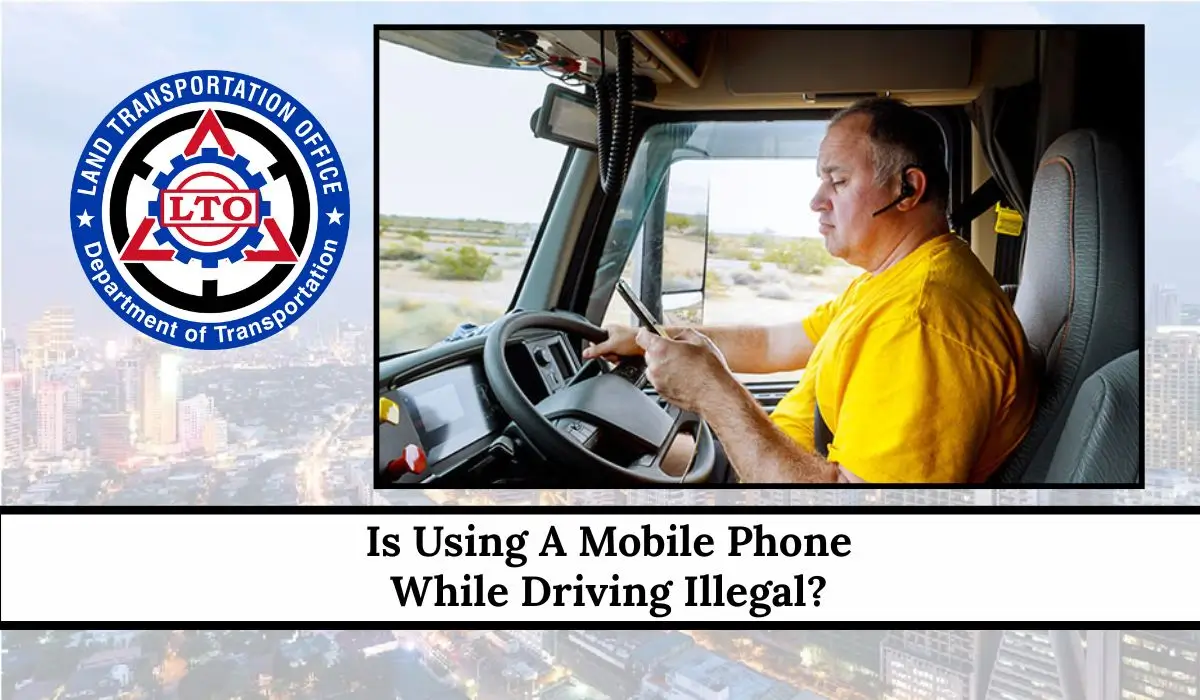
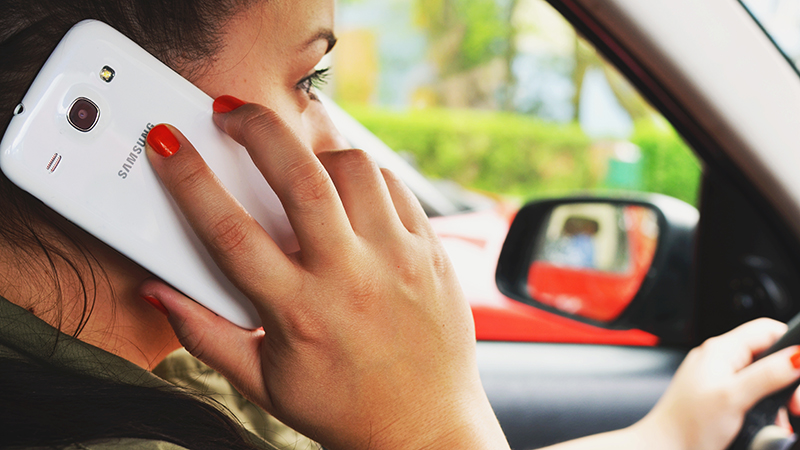
Is Using a Mobile Phone While Driving Illegal? Imagine driving on a busy road. Your phone suddenly vibrates. Maybe it is a text message, a social media notification or an incoming call. You think about checking it for just one second. Many drivers believe a quick glance is harmless, but in reality, even one second of distraction can completely change a person’s life.
Using a mobile phone while driving has become one of the biggest causes of road accidents around the world. Modern technology keeps people connected every minute, but it also creates dangerous habits on the road. Drivers often text, scroll social media, answer calls or check notifications while driving without realizing how risky it truly is.
So, is using a mobile phone while driving illegal? The simple answer is yes. In many countries, including the Philippines, strict laws prohibit drivers from holding or using mobile phones while operating a vehicle. Governments introduced these laws to reduce accidents, injuries, and deaths caused by distracted driving.
Road safety experts continue to warn drivers that using a phone while driving is just as dangerous as drunk driving in many situations. Looking away from the road for a few seconds can lead to missed traffic signals, delayed reactions, collisions, and even fatal accidents.
In the Philippines, the government implemented Republic Act No. 10913 also known as the Anti-Distracted Driving Act (ADDA). This law strictly regulates the use of mobile phones and other electronic devices while driving. Drivers who violate the law can face heavy fines, license suspension, and even license revocation for repeated offenses.
What Does Distracted Driving Mean?
Distracted driving happens when a driver loses focus on the road because of another activity. These distractions reduce attention and increase the chances of accidents. There are three major types of distractions while driving:
| Type of Distraction | Description |
|---|---|
| Visual Distraction | Taking your eyes off the road |
| Manual Distraction | Removing your hands from the steering wheel |
| Cognitive Distraction | Losing mental focus while driving |
Using a mobile phone causes all three distractions at the same time. When drivers text or browse their phones, they look away from traffic, remove one hand from the wheel, and focus their minds on the device instead of driving safely.
This is why mobile phone use while driving is considered extremely dangerous.
Is Using a Mobile Phone While Driving Illegal?
Yes, using a handheld mobile phone while driving is illegal in many countries worldwide. Governments introduced strict laws because distracted driving causes thousands of accidents every year. In the Philippines, drivers are prohibited from using mobile phones while:
- Driving on highways
- Stopping at traffic lights
- Waiting in traffic
- Operating motorcycles
- Driving private or public vehicles
Even if the vehicle is temporarily stopped at a red light, the law still considers the driver in control of the vehicle. That means using a phone during traffic stops is still considered illegal. The law covers many activities, including:
- Texting
- Calling without hands-free devices
- Watching videos
- Browsing social media
- Playing games
- Taking selfies
- Reading notifications
- Using apps
- Typing messages
The government created these laws because even a few seconds of distraction can lead to life-threatening accidents.
Understanding the Anti-Distracted Driving Act (RA 10913)
The Philippines officially implemented Republic Act No. 10913, also called the Anti-Distracted Driving Act (ADDA), in 2017. The main goal of the law is simple:
- Reduce road accidents
- Improve road safety
- Prevent distracted driving
- Protect drivers and pedestrians
The law prohibits drivers from using mobile communication devices and electronic entertainment gadgets while driving.
What Devices Are Covered Under the Law?
The Anti-Distracted Driving Act applies to:
- Smartphones
- Tablets
- Portable gaming devices
- Laptops
- Electronic entertainment devices
- Navigation gadgets
- Communication devices
The law defines these as electronic devices capable of communication, entertainment, or information processing.
Why Was the Anti-Distracted Driving Act Created?
Road accidents involving distracted drivers increased rapidly over the years. Many accidents were directly connected to mobile phone use while driving. The government noticed that drivers were:
- Texting while driving
- Watching videos
- Using social media
- Playing games
- Taking calls without attention to the road
These behaviors caused serious accidents, injuries and deaths. ,The Anti-Distracted Driving Act was created to:
- Encourage responsible driving
- Reduce avoidable accidents
- Improve driver discipline
- Protect pedestrians
- Promote safer roads
The law reminds people that no message, call, or notification is more important than human life.
Activities That Are Illegal While Driving
The law clearly prohibits many mobile phone activities while operating a vehicle.
1. Texting While Driving
Sending or reading text messages is one of the most dangerous driving habits.
Texting causes:
- Visual distraction
- Manual distraction
- Cognitive distraction
A driver may take their eyes off the road for several seconds while typing a message.

2. Browsing Social Media
Checking Facebook, Instagram, TikTok, Twitter, or other social media platforms while driving is illegal and highly dangerous.
3. Watching Videos
Watching videos while driving removes attention from the road completely.
4. Playing Mobile Games
Gaming while driving creates major distractions and increases accident risks.
5. Taking Photos or Selfies
Using a phone camera while driving is prohibited.
6. Holding the Phone
Even simply holding a phone while driving may already count as a violation in many situations.
7. Video Calls
FaceTime and video chats are considered dangerous distractions.
Is Using GPS While Driving Allowed?
Using GPS navigation is usually allowed only if:
- The device is mounted properly
- It does not block the driver’s view
- The driver does not manually operate it while driving
Drivers are encouraged to set their destination before starting the trip.
What Is Allowed Under the Law?
The Anti-Distracted Driving Act allows limited hands-free usage.
Legal Hands-Free Options
| Allowed Activity | Condition |
|---|---|
| Bluetooth Calls | Must be hands-free |
| Speakerphone Calls | Allowed if not distracting |
| Voice Commands | Permitted |
| Mounted GPS | Must not block view |
| Emergency Calls | Allowed during emergencies |
Hands-free systems help drivers stay connected while keeping their hands on the wheel and eyes on the road.
However, even hands-free technology should be used responsibly.
Penalties and Fines for Violations
The Philippine government imposes strict penalties on drivers who violate the Anti-Distracted Driving Act.
Official Penalties
| Offense Number | Penalty |
|---|---|
| First Offense | ₱5,000 |
| Second Offense | ₱10,000 |
| Third Offense | ₱15,000 + 3-Month License Suspension |
| Fourth Offense | ₱20,000 + License Revocation |
Drivers caught near:
- Schools
- Pedestrian lanes
- Busy highways
- Public transport areas
may face stricter monitoring from authorities. The government hopes these penalties will discourage distracted driving behaviors.
Why Mobile Phone Use While Driving Is Dangerous
Using a phone while driving is far more dangerous than many people realize.
1. Slower Reaction Time
Drivers who use phones react more slowly to sudden road situations. For example:
- A child crossing the road
- A car suddenly braking
- A traffic light changing
- A pedestrian appearing unexpectedly
Even one second of delayed reaction can cause a serious crash.
2. Loss of Focus
When drivers look at their phones, their brains stop fully processing road information. They may miss:
- Traffic signs
- Stop signals
- Speed limits
- Dangerous road conditions
3. Increased Accident Risk
Studies show distracted drivers are much more likely to:
- Crash into vehicles
- Hit pedestrians
- Cause rear-end collisions
- Lose control of vehicles
4. Mental Distraction
Even talking on the phone reduces concentration.
- Drivers may physically look at the road but mentally focus on conversations instead of traffic conditions.
Texting While Driving Is Extremely Dangerous
Texting while driving is considered one of the deadliest distractions.

Why? Because texting combines:
- Visual distraction
- Manual distraction
- Cognitive distraction
Looking away for five seconds while driving at high speed is like driving blind across a long distance. That short distraction can easily cause fatal accidents.
Common Misunderstandings About the Law
Many drivers misunderstand distracted driving laws.
Misconception 1: “It’s Okay at Red Lights”
Wrong.
Even if the vehicle is stopped temporarily, the driver is still considered operating the vehicle.
Misconception 2: “Quick Messages Are Safe”
Many people believe checking a message for one second is harmless.
In reality, accidents happen in seconds.
Misconception 3: “Hands-Free Means Zero Risk”
Hands-free systems reduce physical distraction but can still create mental distraction.
Drivers should still focus mainly on the road.
Misconception 4: “Experienced Drivers Can Multitask”
Even experienced drivers lose concentration when using mobile phones.
No driving skill can completely remove distraction risks.
The Impact of Mobile Phone Addiction on Driving
Modern smartphone addiction has made distracted driving more common. People constantly check:
- Notifications
- Messages
- Social media
- Emails
- News updates
This habit becomes dangerous when carried into driving situations. Some drivers feel anxious when ignoring notifications, causing them to check phones repeatedly. Road safety experts encourage people to practice digital discipline while driving.
Mobile Phone Usage in the Philippines
Mobile phones are deeply connected to Filipino daily life.
Growing Smartphone Usage
The Philippines has:
- High mobile phone penetration
- Strong social media usage
- Widespread internet access
- Growing digital services
Most Filipinos rely heavily on smartphones for:
- Communication
- Banking
- Navigation
- Entertainment
- Online shopping
- Education
While technology improves convenience, it also increases distracted driving risks.
Social Media and Driving Distractions
Social media apps are among the biggest distractions for drivers. Popular apps include:
- TikTok
- Messenger
Drivers sometimes:
- Reply to messages
- Watch videos
- Upload stories
- Scroll feeds
These activities significantly increase accident risks.
Role of Technology in Road Safety
Technology can both create and solve distracted driving problems.

1. Voice Commands
Drivers can make calls or change music using voice assistants.
2. Bluetooth Systems
Hands-free communication reduces manual distractions.
3. Driving Mode Features
Many smartphones now offer:
- Do Not Disturb While Driving
- Auto-reply messages
- Notification blocking
4. Smart Vehicles
Modern cars now include:
- Lane assist
- Collision warnings
- Driver attention alerts
These systems improve safety when used properly.
Safe Alternatives to Using Phones While Driving
Drivers can stay safe by following simple habits.
1. Turn On Driving Mode
Use “Do Not Disturb While Driving” before starting your trip.
2. Pull Over Safely
Stop in a safe parking area before checking messages or making calls.
3. Set GPS Before Driving
Prepare navigation routes before moving the vehicle.
4. Use Hands-Free Features Carefully
Limit conversations while driving.
5. Keep Phones Out of Reach
Placing phones away from the driver reduces temptation.
The Importance of Public Awareness Campaigns
Government agencies regularly conduct road safety campaigns. Organizations involved include:
- DOTr
- LTO
- Road safety groups
- Traffic enforcement agencies
These campaigns educate drivers about:
- Dangers of distracted driving
- Legal penalties
- Accident prevention
- Safe driving habits
Awareness programs aim to create responsible drivers.
Challenges in Enforcing the Law
Even with strict laws, enforcement remains difficult.
Common Enforcement Challenges
| Challenge | Explanation |
|---|---|
| Heavy Traffic | Difficult to monitor every driver |
| Public Resistance | Some drivers dislike restrictions |
| Technology Growth | New apps create new distractions |
| Limited Monitoring | Authorities cannot catch every violator |
Public cooperation is necessary for effective enforcement.
International Comparison of Mobile Phone Driving Laws
Many countries have strict distracted driving laws.
United Kingdom
In the UK:
- Drivers can receive heavy fines
- Penalty points may be added to licenses
- Repeat violations may lead to driving bans
United States
Many U.S. states prohibit handheld phone use. Penalties may include:
- Fines
- License points
- Insurance increases
Some states impose very strict penalties after repeated offenses.
Australia
Australia uses advanced camera systems to detect drivers using mobile phones illegally. Violators face:
- Heavy fines
- License demerit points
Canada
Many Canadian provinces also ban handheld mobile phone use while driving.
Why These Laws Matter Globally
Distracted driving is a worldwide problem. Governments everywhere recognize that mobile phone distractions cause:
- Preventable accidents
- Injuries
- Deaths
- Traffic congestion
- Financial losses
Strict laws encourage safer roads for everyone.
Effects of Distracted Driving on Society
Distracted driving impacts more than individual drivers.
Broader Effects Include
1. Increased Hospital Costs
Accidents require emergency care and medical treatment.
2. Emotional Trauma
Families suffer emotionally after serious accidents.
3. Economic Losses
Vehicle repairs and medical expenses create financial burdens.
4. Traffic Delays
Accidents create heavy congestion and delays.
Tips For Parents and Young Drivers
Young drivers are especially vulnerable to phone distractions.
- Avoid texting while driving
- Keep phones silent
- Focus completely on the road
- Use navigation before driving
- Never use social media while operating vehicles
Parents should teach safe driving habits early.
Emergency Situations and Exemptions
The law allows phone use during genuine emergencies.
Allowed Emergency Situations
Drivers may contact authorities during:
- Crimes
- Fires
- Bomb threats
- Medical emergencies
- Terrorist threats
- Accidents
Emergency calls are permitted for public safety reasons.
Psychological Reasons Drivers Use Phones While Driving
Many drivers know the risks but still use phones while driving.
Common Reasons
| Reason | Explanation |
|---|---|
| Habit | Constant phone checking |
| Urgency Feeling | Fear of missing messages |
| Overconfidence | Belief they can multitask |
| Addiction | Dependence on notifications |
Changing driver behavior requires education and discipline.
Can Hands-Free Devices Completely Prevent Distraction?
No. Hands-free devices reduce some physical distractions, but they cannot completely remove mental distractions. Drivers should:
- Keep conversations short
- Avoid emotional discussions
- Focus mainly on driving
Safety should always remain the top priority.
Importance of Responsible Driving
Responsible driving protects:
- Drivers
- Passengers
- Pedestrians
- Cyclists
- Families
- Communities
Every safe driving decision can save lives. Good drivers understand that no notification is more important than safety.
Future of Distracted Driving Laws
As technology evolves, distracted driving laws may become stricter. Future improvements may include:
- Smarter detection systems
- AI-powered road monitoring
- Improved vehicle safety systems
- Stronger enforcement technology
Governments worldwide continue working toward safer roads.
FAQs
Is it illegal to use a mobile phone while driving in the Philippines?
Ans: Yes, using a mobile phone while driving in the Philippines is illegal under the Anti-Distracted Driving Act or Republic Act No. 10913. This law was created to reduce road accidents caused by distracted driving. Drivers are not allowed to hold or use their phones for texting, calling, browsing social media, watching videos, or playing games while operating a vehicle. Even if the vehicle is temporarily stopped at a traffic light, the driver is still considered to be driving. The government implemented this law because even a few seconds of distraction can lead to serious accidents, injuries, or loss of life. Drivers are encouraged to focus fully on the road and use hands-free options only when necessary.
What happens if you get caught using a phone while driving?
Ans: Drivers who are caught using a mobile phone while driving can face serious penalties and fines. In the Philippines, the first offense comes with a ₱5,000 fine, while repeated violations can lead to higher fines, suspension of the driver’s license, and even permanent revocation of driving privileges. Traffic authorities and the LTO strictly monitor drivers, especially near schools, pedestrian crossings, and busy roads. These penalties are not only meant to punish drivers but also to remind everyone about the importance of road safety. The government wants drivers to understand that using a phone while driving is dangerous and can put many lives at risk.
Can I use Google Maps or GPS while driving?
Ans: Yes, GPS and navigation apps like Google Maps are usually allowed while driving, but there are important conditions. The mobile phone or navigation device must be mounted properly and should not block the driver’s view of the road. Drivers should also set the destination before starting the trip instead of typing while driving. Although GPS helps drivers reach their destination safely, constantly touching or looking at the screen can still become a distraction. That is why drivers are advised to use voice navigation and avoid interacting with the device while the vehicle is moving.
Are hands-free devices legal while driving?
Ans: Hands-free devices are generally allowed under the Anti-Distracted Driving Act because they help reduce manual distractions. Drivers can use Bluetooth systems, speakerphones, or voice commands for communication while keeping their hands on the steering wheel. However, the law also states that these devices should not block the driver’s line of sight or become another source of distraction. Even with hands-free technology, drivers must remain careful because long or emotional conversations can still reduce concentration on the road. The safest option is always to focus completely on driving and limit phone conversations whenever possible.
Why is texting while driving considered dangerous?
Ans: Texting while driving is extremely dangerous because it combines three major distractions at the same time. First, drivers take their eyes off the road to read or type messages. Second, they remove one or both hands from the steering wheel. Third, their minds focus on the phone conversation instead of road conditions. This combination greatly increases the risk of accidents. Studies show that looking away from the road for only a few seconds can lead to crashes, especially at high speeds. Many serious accidents happen because drivers think they can safely send “just one quick text,” but even a small distraction can cause life-changing consequences.
Is it allowed to use a phone during emergencies while driving?
Ans: Yes, the law allows drivers to use their phones during real emergency situations. Drivers may contact authorities if there are accidents, crimes, fires, bomb threats, medical emergencies, or situations that threaten personal safety. Emergency calls are considered necessary for public protection and safety. However, drivers should still try to keep their focus on the road while making emergency calls. If possible, it is safer to pull over in a secure area before using the phone. Emergency exemptions exist because quick communication can sometimes save lives during dangerous situations.
How does mobile phone use affect driving performance?
Ans: Using a mobile phone while driving negatively affects driving performance in many ways. It slows reaction time, reduces concentration, and increases the chance of missing important traffic signs or sudden road changes. Drivers who use phones are more likely to ignore stoplights, fail to notice pedestrians, or react too late to avoid collisions. Some studies even compare distracted driving to drunk driving because both reduce mental focus and decision-making ability. Even if drivers believe they are paying attention, their brains cannot fully focus on both the road and the phone at the same time. This is why distracted driving remains one of the leading causes of road accidents worldwide.
Why do many drivers still use phones while driving despite the risks?
Ans: Many drivers continue using mobile phones while driving because smartphones have become a major part of daily life. People often feel pressure to reply quickly to messages, answer calls immediately, or stay active on social media. Some drivers also become overconfident and believe they can multitask safely while driving. Others simply develop habits of constantly checking notifications without realizing the danger. Unfortunately, this behavior increases accident risks for everyone on the road. Road safety experts continue encouraging drivers to practice self-control, turn on driving mode features, and avoid unnecessary phone use while driving.
Are distracted driving laws the same in every country?
Ans: No, distracted driving laws vary from country to country, but most governments have similar goals of improving road safety. In the Philippines, the Anti-Distracted Driving Act strictly prohibits handheld phone use while driving. In the United Kingdom, drivers can receive heavy fines and penalty points for using phones behind the wheel. Many states in the United States also ban texting and handheld phone use while driving. Countries like Australia even use advanced cameras to detect drivers illegally using mobile devices. Although penalties may differ, most nations agree that distracted driving is dangerous and must be controlled through strict traffic laws.
What are the best ways to avoid mobile phone distractions while driving?
Ans: There are many smart ways drivers can avoid mobile phone distractions and stay safe on the road. One of the best methods is turning on “Do Not Disturb While Driving” mode before starting the trip. Drivers should also place phones out of reach to reduce temptation. Setting GPS directions before driving can help avoid touching the device during travel. If a call or message is important, it is always safer to pull over in a secure parking area before using the phone. Drivers should remember that no text, notification, or social media update is more important than human life. Staying focused while driving protects not only the driver but also passengers, pedestrians, and other road users.
Voice chat ended
Conclusion
Using a mobile phone while driving is illegal in many countries, including the Philippines, because distracted driving is extremely dangerous. Even a quick glance at a notification can lead to serious accidents, injuries, or death.
The Anti-Distracted Driving Act (RA 10913) was created to reduce road accidents and improve safety for everyone. The law prohibits texting, calling, browsing social media, watching videos, and other distracting activities while operating a vehicle.
Drivers who violate the law can face heavy fines, license suspension, and even license revocation. More importantly, distracted driving puts innocent lives at risk every single day.