LTO Safety Tips Long Drives 2026: Complete Guide For Safe And Stress-Free Travel
LTO Safety Tips Long Drives 2026. Long drives are one of the best ways to enjoy travel in the Philippines. Whether you are planning a road trip to Baguio, Tagaytay, Batangas, Ilocos, or any other beautiful destination, driving gives you freedom, excitement, and unforgettable memories. Seeing scenic roads, eating local food, and spending time with loved ones make every road trip special.
However, long-distance driving also comes with responsibility. A single mistake on the road can lead to accidents, injuries, vehicle damage, or delays. That is why the Land Transportation Office (LTO) constantly reminds drivers to prioritize safety before and during every trip.
The LTO promotes responsible driving habits, proper vehicle maintenance, and road discipline to help reduce accidents and keep everyone safe. Following LTO safety tips for long drives is not difficult. In fact, many of these reminders are simple habits that can protect you, your passengers, and other road users.
This guide will help you understand everything about safe long-distance driving. From vehicle preparation and emergency planning to weather awareness and road etiquette, this article covers all the important LTO-approved reminders you should know before hitting the road.
What is a Long Drive?
A long drive refers to a journey that involves traveling a long distance by car for several hours. Unlike regular daily driving, long drives often require more preparation, planning, and focus.
For example, driving to work, school, or nearby stores is considered regular driving. These trips are usually short and familiar. Long drives, on the other hand, may involve:
- Traveling between cities or provinces
- Driving for many hours continuously
- Using highways or mountain roads
- Facing different weather conditions
- Managing fatigue and tiredness
Because of these challenges, drivers need to be extra careful during long trips.
Understanding the LTO’s Mission for Road Safety
The Land Transportation Office does more than issue licenses and register vehicles. One of its biggest goals is to promote road safety across the country. The LTO continuously reminds drivers about:
- Responsible driving
- Obeying traffic rules
- Following speed limits
- Avoiding distracted driving
- Respecting other road users
- Maintaining vehicles properly
Every traffic rule exists for a reason. Speed limits, road signs, lane markings, and safety laws are all designed to prevent accidents and save lives.
The LTO believes that safe driving starts with discipline and respect. Drivers who stay alert and follow road rules help create safer roads for everyone.
Why Long Drive Safety is Important
Long drives may seem fun and relaxing, but they can also become dangerous if drivers are careless or unprepared. Here are some common risks during long-distance travel:
| Risk | Possible Danger |
|---|---|
| Driver fatigue | Falling asleep while driving |
| Overspeeding | Serious accidents |
| Bad weather | Slippery roads and low visibility |
| Poor vehicle condition | Breakdowns or tire blowouts |
| Distracted driving | Collisions |
| Lack of rest | Slow reaction time |
Even experienced drivers can face problems during long trips. That is why preparation is extremely important.
Benefits of Safe Long Drives
Safe and responsible long drives can provide many benefits. When drivers prepare properly and follow safety reminders, road trips become more enjoyable and stress-free.
1. Less Stress
Long drives allow people to relax and escape daily pressure. Scenic views and peaceful roads can help reduce stress and improve mood.
2. Quality Time with Family and Friends
Road trips create special memories with loved ones. Spending hours together during travel helps strengthen relationships.
3. Discovering New Places
Driving gives travelers the opportunity to explore beautiful destinations, local restaurants, hidden attractions, and scenic spots.
4. Mental Refreshment
A change in environment can refresh the mind and improve overall well-being.
5. Adventure and Excitement
Long drives provide exciting experiences and unforgettable moments.
6. Better Driving Experience
Drivers improve their road awareness and driving skills during long-distance travel.

Pre-Drive Safety Checklist
Before starting any long drive, the LTO recommends performing a complete vehicle inspection. This simple routine can prevent major problems on the road.
Check Your Tires
Tires are one of the most important parts of your vehicle. Make sure:
- Tire pressure is correct
- Tires are not worn out
- No cracks or damage exist
- Spare tire is available and usable
Poor tire condition can cause accidents, especially at high speeds.
Test the Brakes
Brakes should respond quickly and smoothly. Warning signs include:
- Strange sounds
- Weak braking power
- Vibrations
- Brake warning lights
Never ignore brake problems before a long trip.
Inspect Lights and Signals
Check all lights before leaving:
- Headlights
- Brake lights
- Signal lights
- Hazard lights
- Fog lights
Good lighting improves visibility and communication with other drivers.
Check Engine Oil and Fluids
Vehicle fluids help your car run properly. Inspect:
- Engine oil
- Coolant
- Brake fluid
- Transmission fluid
- Windshield washer fluid
Low fluid levels can cause engine overheating or breakdowns.
Bring Important Documents
Always carry:
- Driver’s license
- OR/CR
- Insurance documents
- Vehicle registration papers
Keep them organized and accessible.
DR. BLOWBAGETS Checklist Explained
The LTO encourages drivers to follow the famous DR. BLOWBAGETS checklist before driving.
| Letter | Meaning |
|---|---|
| D | Driver |
| R | Rocks (Tires/Wheels) |
| B | Battery |
| L | Lights |
| O | Oil |
| W | Water |
| B | Brakes |
| A | Air |
| G | Gas |
| E | Engine |
| T | Tools |
| S | Self |
This checklist helps drivers inspect both themselves and their vehicles before traveling.
Get Enough Sleep Before Driving
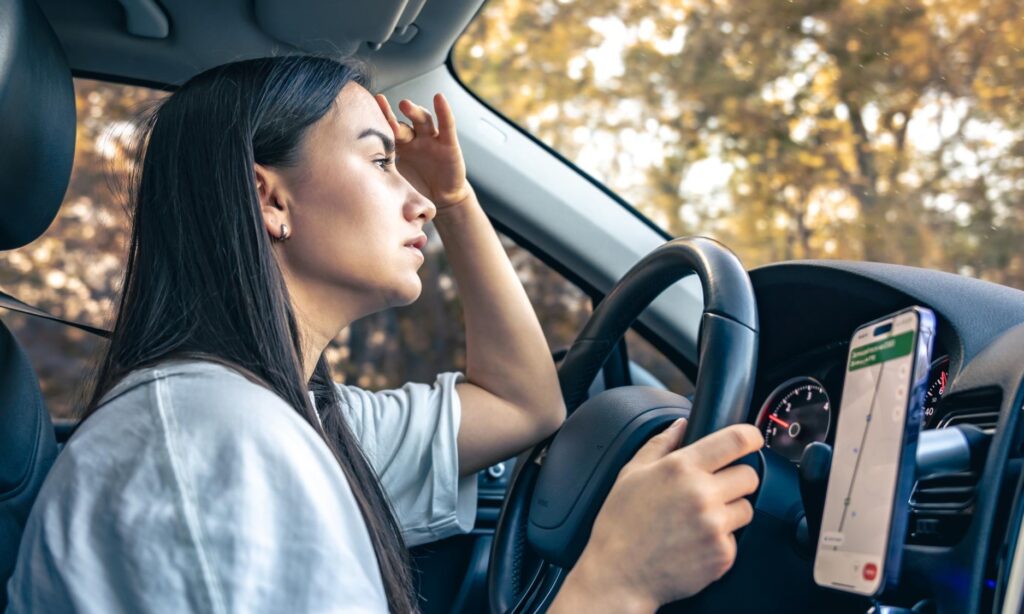
One of the biggest causes of road accidents is driver fatigue. Driving while tired is extremely dangerous because it can:
- Slow reaction time
- Reduce concentration
- Cause poor decision-making
- Increase accident risk
The LTO recommends getting at least 8 hours of sleep before a long drive. If you feel sleepy while driving:
- Pull over safely
- Rest for a while
- Drink water
- Stretch your body
Never force yourself to continue driving when exhausted.
Follow Speed Limits
Speed limits are created for safety, not inconvenience. Overspeeding reduces your ability to react quickly during emergencies. High speed also increases the severity of accidents. Always:
- Observe road signs
- Adjust speed during rain
- Slow down on curves
- Avoid racing or aggressive driving
Remember, arriving safely is more important than arriving fast.
Avoid Distracted Driving
Distracted driving is one of the leading causes of road accidents today. Under the Anti-Distracted Driving Act, using mobile devices while driving is prohibited. Avoid:
- Texting
- Calling
- Browsing social media
- Watching videos
- Taking selfies
Your full attention should stay on the road. If you need to check directions or answer calls, stop in a safe area first.
Wear Seatbelts at All Times
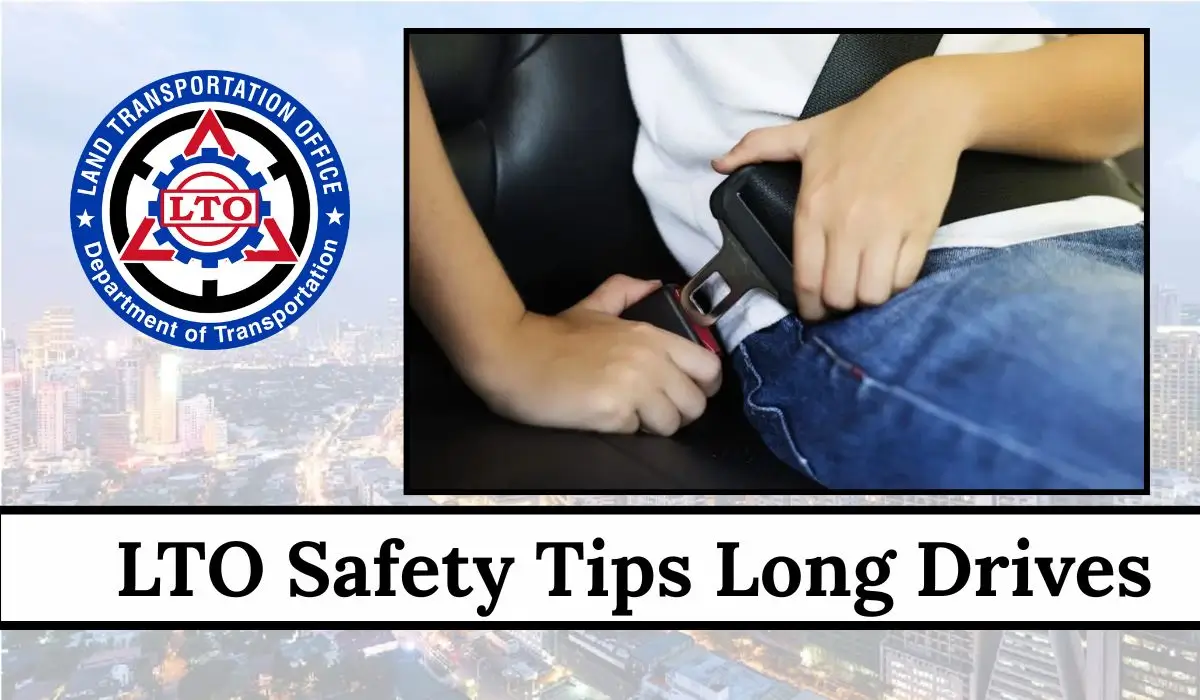
Seatbelts save lives. The LTO strongly reminds drivers and passengers to wear seatbelts during every trip, including short and long drives. Seatbelts help:
- Prevent serious injuries
- Protect passengers during crashes
- Reduce death risk
Even passengers sitting at the back should wear seatbelts.
Plan Your Route Carefully
Planning your route before leaving helps avoid stress and delays. Before your trip:
- Check maps and navigation apps
- Learn about road conditions
- Identify gas stations
- Locate rest stops
- Prepare alternative routes
Proper planning saves time and fuel.
Best Navigation Apps for Long Drives
Modern technology can help drivers stay safer and more informed.
Waze
Waze provides:

- Live traffic updates
- Accident alerts
- Faster routes
- Road hazard warnings
Google Maps
Google Maps helps drivers with:
- Navigation
- Estimated travel time
- Nearby gas stations
- Restaurant locations
LTO Online Portal
The LTO Online Portal allows users to:
- Check license information
- Verify registration
- Access online services
Importance of Taking Breaks During Long Drives
Driving continuously for many hours can exhaust the body and mind. The LTO recommends taking breaks every 2 to 3 hours. During breaks:
- Stretch your body
- Walk around
- Drink water
- Rest your eyes
- Eat light snacks
These short breaks improve alertness and reduce fatigue.
Stay Hydrated and Eat Properly
Drivers need proper hydration and nutrition during long trips. Bring:
- Water
- Healthy snacks
- Fruits
- Sandwiches
Avoid:
- Heavy greasy meals
- Too much caffeine
- Excessive sugary drinks
Healthy food helps maintain energy and focus.
Weather Awareness and Safe Driving
Weather conditions can quickly change during road trips. Always check weather forecasts before leaving.
Driving During Rain
Rain makes roads slippery and dangerous. Safety reminders:
- Reduce speed
- Turn on headlights
- Increase following distance
- Avoid sudden braking
Hydroplaning can happen when tires lose contact with the road.
Driving on Mountain Roads
Mountain roads require extra caution. Important reminders:
- Use lower gears
- Avoid overtaking on blind curves
- Slow down on steep roads
- Watch for falling rocks
Patience is important during mountain driving.
Driving During Floods
Flooded roads can damage vehicles and endanger lives. Never drive through deep floodwater because:
- Engines may stall
- Vehicles may get swept away
- Electrical systems can fail
Wait until roads become safe before continuing.
Emergency Preparedness for Long Drives
Emergencies can happen anytime, even to experienced drivers. That is why drivers should always prepare emergency supplies.
Essential Emergency Kit Items
| Emergency Item | Purpose |
|---|---|
| First aid kit | Minor injuries |
| Flashlight | Dark areas |
| Warning triangle | Alert other drivers |
| Spare tire | Flat tires |
| Jumper cables | Battery problems |
| Basic tools | Minor repairs |
| Bottled water | Hydration |
| Power bank | Emergency communication |
Being prepared helps reduce panic during emergencies.
What to Do if Your Car Breaks Down
Vehicle breakdowns can happen unexpectedly. If your vehicle stops working:
- Stay calm
- Pull over safely
- Turn on hazard lights
- Place warning triangle behind the car
- Contact roadside assistance
- Stay inside if the area is unsafe
Avoid standing near fast-moving traffic.
Importance of Defensive Driving
Defensive driving means staying alert and prepared for the mistakes of other drivers. Defensive drivers:
- Keep safe distance
- Anticipate hazards
- Stay patient
- Avoid aggressive driving
- Observe surroundings carefully
This driving style greatly reduces accident risks.
Road Courtesy and Proper Travel Etiquette
Good manners on the road help create a safer driving environment.
Respect Other Drivers
Avoid:

- Tailgating
- Sudden lane changes
- Road rage
- Unnecessary honking
Stay calm even when other drivers behave badly.
Give Way to Emergency Vehicles
Always allow ambulances, fire trucks, and police vehicles to pass quickly. Their response time can save lives.
Use Signal Lights Properly
Signal lights help communicate your intentions. Always use signals when:
- Turning
- Changing lanes
- Parking
- Overtaking
This helps prevent confusion and accidents.
Common Causes of Long Drive Accidents
Understanding accident causes helps drivers stay more careful.
Driver Fatigue
Long hours behind the wheel reduce concentration.
Overspeeding
High speeds increase accident severity.
Distracted Driving
Using phones while driving is dangerous.
Poor Vehicle Maintenance
Faulty brakes or tires can cause crashes.
Reckless Driving
Aggressive behavior endangers everyone.
Fuel Management During Long Trips
Running out of fuel during travel can become stressful and dangerous. Tips:
- Fill up before leaving
- Refill before tank gets too low
- Identify nearby gas stations
- Carry emergency cash
Remote areas may have limited fuel stations.
Importance of Vehicle Maintenance
Proper maintenance improves safety and vehicle performance.
Regular Oil Changes
Clean oil keeps engines healthy.
Tire Rotation
Proper tire care improves handling.
Battery Inspection
Weak batteries may fail during trips.
Brake Maintenance
Reliable brakes prevent accidents.
Keeping Passengers Safe During Long Drives
Drivers are responsible for passenger safety. Important reminders:
- Ensure everyone wears seatbelts
- Avoid overcrowding
- Keep children secure
- Avoid distractions inside the car
Passenger safety should always be a priority.
Tips For Night Driving
Night driving can be more dangerous because visibility is limited.
Use Headlights Properly
Turn on headlights early during darkness or rain.
Reduce Speed
Driving slower improves reaction time.
Stay Alert
Watch carefully for pedestrians, animals, or obstacles.
Avoid Bright Light Distractions
Do not stare directly at incoming headlights.
Mental Preparation for Long Drives
Physical preparation is important, but mental readiness also matters. Drivers should:
- Stay patient
- Avoid stress
- Stay calm during traffic
- Focus fully on driving
Anger and frustration can lead to risky decisions.
Traveling with Children During Long Drives
Traveling with kids requires extra planning. Helpful tips:
- Bring snacks
- Prepare entertainment
- Schedule bathroom breaks
- Use child safety seats
Comfortable children help reduce distractions for drivers.
How to Stay Comfortable During Long Drives
Comfort improves focus and reduces fatigue.
Wear Comfortable Clothing
Avoid tight or uncomfortable outfits.
Adjust Your Seat Properly
Good posture reduces body pain.
Maintain Proper Ventilation
Fresh air helps drivers stay awake.
Safe Overtaking Tips
Improper overtaking causes many road accidents. Before overtaking:
- Check mirrors
- Use signal lights
- Ensure road is clear
- Avoid blind curves
Never rush during overtaking.
Importance of Checking Road Conditions
Road conditions may change due to:
- Construction
- Accidents
- Flooding
- Traffic congestion
Checking updates before travel helps avoid delays and danger.
Why Patience Matters on the Road
Impatience often leads to:
- Speeding
- Dangerous overtaking
- Aggressive driving
Safe drivers understand that patience saves lives.
Benefits of Following LTO Safety Tips
Following LTO reminders helps drivers:
- Avoid accidents
- Protect passengers
- Reduce stress
- Improve travel experience
- Prevent traffic violations
Safe driving benefits everyone on the road.
Common Mistakes Drivers Should Avoid
Here are dangerous habits drivers should stop:
| Mistake | Risk |
|---|---|
| Driving sleepy | Accidents |
| Speeding | Loss of control |
| Using phones | Distraction |
| Ignoring maintenance | Breakdowns |
| Aggressive driving | Collisions |
Avoiding these mistakes can save lives.
Building Safe Driving Habits
Good habits make drivers safer over time. Safe habits include:
- Wearing seatbelts
- Following speed limits
- Staying focused
- Respecting traffic laws
- Checking vehicles regularly
Consistency is important.
FAQs About LTO Safety Tips For Long Drives
Why is road safety important during long drives?
Ans: Road safety is very important during long drives because drivers spend many hours on the road, which can increase fatigue, stress, and distractions. Long-distance travel also exposes drivers to different road conditions, weather changes, and traffic situations. A single mistake while driving can lead to serious accidents, injuries, or damage to property. Following LTO safety guidelines helps drivers stay alert, avoid dangerous situations, and protect passengers and other road users. Safe driving habits such as obeying traffic rules, maintaining proper speed, and avoiding distractions can greatly reduce the risk of accidents during long trips.
What should drivers check before going on a long drive?
Ans: Before starting a long drive, drivers should carefully inspect their vehicle to ensure it is safe and roadworthy. Important things to check include the tires, brakes, lights, battery, engine oil, coolant, and fuel level. Drivers should also inspect the spare tire and bring emergency tools in case of unexpected problems. Aside from vehicle checks, it is important to prepare personal documents such as a valid driver’s license, vehicle registration papers, and insurance documents. Proper preparation helps prevent breakdowns and makes the trip safer and more comfortable.
How does fatigue affect drivers during long trips?
Ans: Fatigue is one of the most common causes of road accidents during long drives. A tired driver may experience slower reaction times, poor concentration, and reduced awareness of road conditions. In serious cases, drivers may even fall asleep while driving, which can lead to fatal accidents. The LTO advises drivers to get enough sleep before traveling and to take regular breaks during long journeys. Stopping every few hours to stretch, rest, and refresh the mind can help drivers stay alert and focused throughout the trip.
Why is it important to follow speed limits during long drives?
Ans: Speed limits are designed to keep roads safe for everyone. Driving too fast reduces a driver’s ability to react quickly to sudden obstacles, traffic changes, or emergencies. Overspeeding also increases the severity of accidents and makes it harder to control the vehicle, especially during bad weather or on rough roads. The LTO reminds drivers that speed limits are not just rules but important safety measures that help prevent accidents and save lives. Safe driving means maintaining a reasonable speed based on road conditions and traffic situations.
What emergency items should drivers bring during long trips?
Ans: Drivers should always carry important emergency items when going on long drives because unexpected situations can happen anytime. A complete emergency kit should include a first aid kit, flashlight, warning triangle, spare tire, tire jack, jumper cables, and basic repair tools. It is also helpful to bring drinking water, extra phone chargers, and important contact numbers. These emergency items can help drivers handle minor vehicle problems or emergencies while waiting for assistance. Being prepared can make a big difference during stressful road situations
How can drivers stay safe during rainy weather?
Ans: Rainy weather can make roads slippery and dangerous, increasing the risk of accidents. Drivers should slow down during heavy rain and turn on their headlights to improve visibility. Maintaining a safe distance from other vehicles is also important because wet roads increase braking distance. Drivers should avoid sudden turns or hard braking to prevent skidding. The LTO also advises drivers not to travel through flooded roads because floodwater can damage the engine and create dangerous driving conditions. Extra caution and patience are necessary during bad weather.
Why should drivers avoid using mobile phones while driving?
Ans: Using mobile phones while driving is one of the most dangerous forms of distracted driving. Texting, calling, or checking social media takes a driver’s attention away from the road, even for a few seconds. Those few seconds can lead to accidents, especially during fast-moving traffic situations. The Anti-Distracted Driving Act prohibits drivers from using mobile devices while operating a vehicle. The LTO strongly encourages drivers to stay focused on the road and stop in a safe place if they need to use their phone or navigation apps.
What are the benefits of taking regular breaks during long drives?
Ans: Taking regular breaks during long drives helps drivers stay alert, refreshed, and mentally focused. Sitting behind the wheel for many hours can cause tiredness, muscle stiffness, and reduced concentration. Short breaks allow drivers to rest their eyes, stretch their body, drink water, and relax their mind. Regular rest stops can reduce fatigue and improve reaction time, making the journey safer for everyone inside the vehicle. The LTO recommends stopping every few hours, especially during very long trips or overnight travel.
How does vehicle maintenance improve road safety?
Ans: Regular vehicle maintenance is essential for safe driving because it helps keep the vehicle in good working condition. Poorly maintained vehicles are more likely to experience brake failure, tire blowouts, engine overheating, or sudden breakdowns during long trips. Checking the vehicle regularly allows drivers to identify and fix problems before they become dangerous. Important maintenance tasks include inspecting the brakes, changing engine oil, checking tire condition, and testing lights and batteries. A well-maintained vehicle performs better and reduces the risk of accidents on the road.
What is the most important lesson from LTO safety tips for long drives?
Ans: The most important lesson from LTO safety tips for long drives is that safety should always come first. No destination is more important than human life. Drivers should prepare properly, follow traffic laws, stay patient, and remain alert throughout the journey. Responsible driving is not only about protecting yourself but also about protecting passengers, pedestrians, and other motorists. Simple habits like wearing seatbelts, avoiding distractions, checking the vehicle, and following speed limits can save lives. Safe driving creates a better and safer road environment for everyone.
Conclusion
Long drives can become amazing experiences filled with adventure, relaxation, and unforgettable memories. However, safety should always remain the number one priority. The Land Transportation Office continues reminding drivers that responsible driving saves lives. Simple habits such as resting properly, following traffic laws, checking your vehicle, and staying alert can prevent serious accidents.