Transportation Network Vehicle Service In Philippines 2026: Complete Guide To Benefits, Rules And How It Works
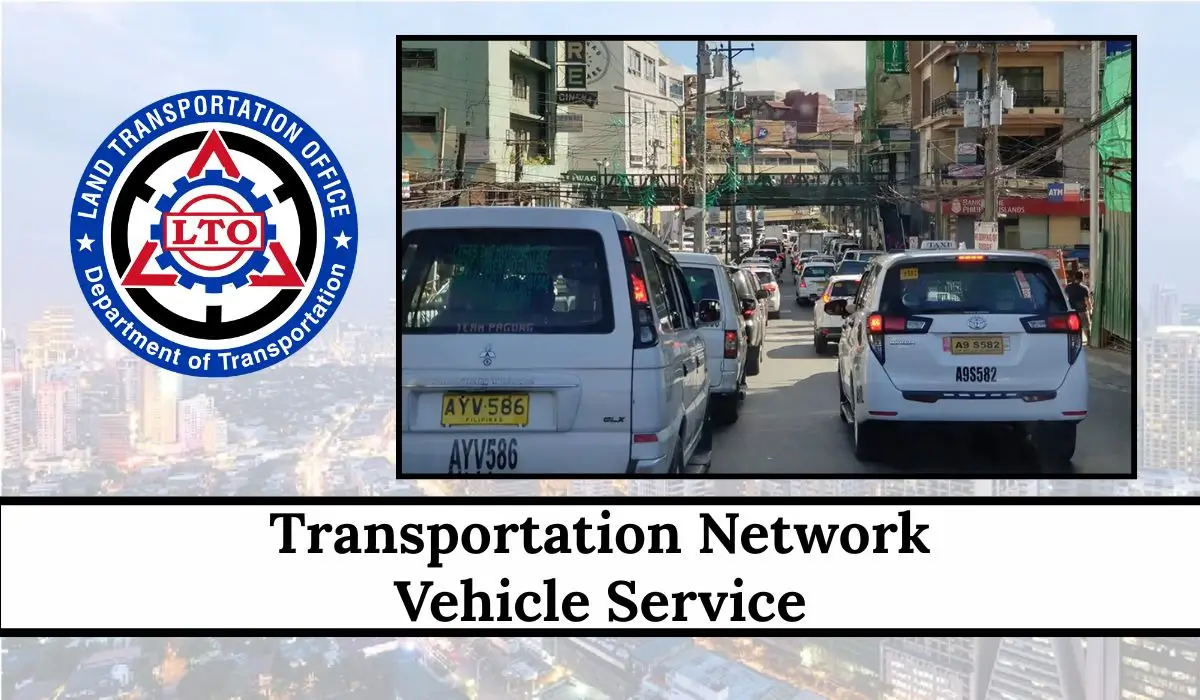
Transportation Network Vehicle Service In Philippines 2026. Transportation has changed a lot over the years. Before, people depended mostly on buses, jeepneys, taxis and trains to travel from one place to another. While these traditional transportation systems are still important today, modern technology introduced a new and more convenient option known as Transportation Network Vehicle Service or TNVS.
Today, millions of people use ride-hailing services every day. With only a smartphone and internet connection, passengers can easily book rides anytime and anywhere. TNVS became one of the most popular transportation systems because it offers comfort, convenience, safety, and flexibility for both passengers and drivers.
This article will explain everything about Transportation Network Vehicle Service (TNVS), including its meaning, benefits, history, regulations, fare rates, challenges, future and how it works in the Philippines.
What is Transportation Network Vehicle Service (TNVS)?
Transportation Network Vehicle Service (TNVS) refers to a ride-hailing transportation system where private vehicles provide transport services through mobile applications managed by Transportation Network Companies (TNCs).
Simply put, TNVS allows passengers to book rides using smartphone apps. Drivers use their personal vehicles to transport passengers from one place to another in exchange for payment.
Unlike traditional taxis, TNVS operates through digital platforms. The entire booking process happens online through apps. Passengers can see available drivers, estimated fares, trip routes, and driver details before confirming a ride.
TNVS became popular because it provides a more modern, organized, and efficient transportation experience.

Meaning of TNVS
The full meaning of TNVS is Transportation Network Vehicle Service.
It is a transportation service where accredited private vehicles operate under digital ride-hailing platforms. These vehicles are managed by companies called Transportation Network Companies or TNCs.
The service works through smartphone applications where passengers and drivers connect instantly. Some popular TNVS platforms include:
- Grab
- JoyRide
- Angkas
- Move It
- OWTO
- U-Hop
- Hype
- HirNa
- Micab
These services help commuters travel more comfortably and conveniently compared to waiting for traditional public transportation.
What is a Transportation Network Company (TNC)?
Many people confuse TNVS and TNC because they work together. However, they are different. A Transportation Network Company (TNC) is the digital platform or company that connects passengers with drivers through mobile apps.
The TNC provides the technology, system, booking platform, payment method, and ride management. Examples of TNCs include:
- Grab
- JoyRide
- OWTO
- Hype
- HirNa
The TNC itself does not provide transportation directly. Instead, it manages the platform where drivers and passengers interact.
Difference Between TNVS and TNC
Although TNVS and TNC are closely connected, they are not the same.
| Feature | TNC | TNVS |
|---|---|---|
| Meaning | Transportation Network Company | Transportation Network Vehicle Service |
| Role | Provides the digital platform | Provides the actual ride service |
| Function | Connects drivers and passengers | Uses vehicles to transport passengers |
| Examples | Grab, JoyRide, OWTO | Accredited private cars and drivers |
| Focus | Technology and booking system | Transportation service |
In simple words:
- TNC = The company or app
- TNVS = The actual vehicle and driver
Both work together to provide modern ride-hailing transportation services.
History of TNVS in the Philippines
The Transportation Network Vehicle Service industry started gaining popularity in the Philippines around 2015. Before TNVS, commuters mostly depended on:
- Jeepneys
- Taxis
- Buses
- MRT and LRT
- Tricycles
However, transportation problems such as:
- Heavy traffic
- Long waiting times
- Taxi refusals
- Overcharging
- Poor service
created demand for a better transportation option. When ride-hailing apps entered the Philippines, many commuters became interested. At first, people were unsure if the system would work. But after trying the service, many realized how convenient and reliable it was. Soon, TNVS became very popular, especially in:
- Metro Manila
- Cebu
- Davao
The government later recognized TNVS as a legal transportation service and introduced regulations to manage the industry properly.
How TNVS Works
One of the biggest reasons why TNVS became successful is its simple and easy system. Here is how TNVS works step-by-step:
Step 1: Passenger Opens the App
The passenger opens a ride-hailing app like Grab or JoyRide.
Step 2: Enter Pickup and Destination
The passenger enters:
- Pickup location
- Destination
The app automatically calculates the estimated fare.
Step 3: Booking Confirmation
The passenger confirms the booking request.
Step 4: Driver Accepts the Ride
Nearby TNVS drivers receive the booking request. One driver accepts the trip.
Step 5: Driver Information Appears
The passenger can see:
- Driver name
- Vehicle type
- Plate number
- Estimated arrival time
This improves safety and trust.
Step 6: Trip Begins
The driver arrives and transports the passenger to the destination.
Step 7: Payment
Passengers can pay using:
- Cash
- Credit card
- Debit card
- E-wallets
The payment process is simple and convenient.
Benefits of Transportation Network Vehicle Service (TNVS)
TNVS changed the transportation industry because it provides many advantages for both passengers and drivers.
1. Convenience
TNVS allows passengers to book rides anytime using smartphones. People no longer need to:
- Wait for taxis
- Stand on roadsides
- Search for transportation manually
Everything happens inside the app.
2. Accessibility
TNVS improved transportation access in many areas. Passengers can easily find rides in:
- Urban cities
- Residential areas
- Business districts
- Airports
- Shopping malls
This makes transportation more available for everyone.
3. Safety and Security
Safety is one of the biggest strengths of TNVS. Passengers can see driver information before the ride starts. Apps also provide:
- GPS tracking
- Emergency support
- Trip monitoring
- Driver ratings
This creates a safer transportation environment.
4. Flexible Employment Opportunities
TNVS created job opportunities for many Filipinos. Drivers can:
- Work part-time
- Work full-time
- Choose their own schedules
- Earn extra income
This flexibility supports many families financially.
5. Cashless Transactions
Many TNVS platforms support cashless payments. Passengers can pay using:
- GCash
- Maya
- Credit cards
- Debit cards
Cashless systems reduce risks and make transactions easier.
6. Better Service Quality
Most TNVS platforms use rating systems. Passengers can rate drivers, and drivers can also rate passengers. This system encourages:
- Good behavior
- Professionalism
- Better customer service
7. Transparent Fare Rates
Passengers can see estimated fares before booking. This prevents:
- Hidden charges
- Overpricing
- Fare manipulation
Transparent pricing increases trust between drivers and passengers.
8. Technology Integration
TNVS uses modern technology such as:
- GPS navigation
- Real-time tracking
- Digital payments
- Online booking systems
These technologies improve transportation efficiency.
9. Reduced Transportation Stress
Commuters often face transportation stress daily. TNVS reduces stress because passengers can:
- Book rides quickly
- Avoid long waiting times
- Travel comfortably
- Monitor routes safely
10. Supports Modern Urban Transportation
TNVS became an important part of smart transportation systems. It helps modern cities improve:
- Mobility
- Transportation access
- Digital innovation
- Public convenience
Popular TNVS Platforms in the Philippines
Several TNVS companies operate in the Philippines today.
Grab
Grab is the most popular TNVS platform in the country. Services include:
- GrabCar
- GrabTaxi
- GrabFood
- GrabExpress
Grab dominates the ride-hailing market because of its reliable service.
JoyRide
JoyRide mainly provides motorcycle ride services. It became popular because motorcycles can travel faster during heavy traffic.
Angkas
Angkas is another leading motorcycle TNVS platform. It provides:
- Fast rides
- Affordable fares
- Convenient travel options
especially in Metro Manila.
Move It
Move It offers motorcycle transportation services for commuters. It became popular among passengers who want quicker travel during rush hours.
OWTO
OWTO is a growing TNVS platform offering affordable transportation services.
TNVS Fare Rates in the Philippines
TNVS fare rates are regulated by the Land Transportation Franchising and Regulatory Board (LTFRB). According to approved fare regulations:
Janii information ko simple table ma bana do=TNVS fare rates are regulated by the Land Transportation Franchising and Regulatory Board (LTFRB).
According to approved fare regulations:
| Vehicle Type | Flagdown Rate | Fare Per Kilometer | Fare Per Minute |
|---|---|---|---|
| Car Sedan | Up to ₱40 | ₱15 | ₱2 |
| Premium SUV/AUV | Up to ₱50 | ₱18 | ₱2 |
| Hatchback/Sub-Compact | Up to ₱30 | ₱13 | ₱2 |
Surge Pricing in TNVS
Surge pricing happens when ride demand becomes very high. This usually happens during:
- Rush hours
- Bad weather
- Holidays
- Emergencies
- Peak travel times
When demand increases, fares may become higher temporarily. Surge pricing helps encourage more drivers to accept rides during busy periods.
TNVS Fare Regulation
The Land Transportation Franchising and Regulatory Board (LTFRB) regulates TNVS fare systems in the Philippines. The LTFRB ensures:
- Fair fare rates
- Passenger protection
- Driver compensation
- Transportation safety
Although TNCs manage their own apps and systems, fare rates still need approval from the LTFRB. This prevents excessive fare increases.
Government Regulation of TNVS
The Department of Transportation (DOTr) and LTFRB officially recognized TNVS as a legal transportation service. To operate legally, drivers and operators must follow government rules. Requirements include:

- Certificate of Public Convenience (CPC)
- Proper vehicle registration
- Insurance coverage
- Driver screening
- Franchise approval
These rules help protect both passengers and drivers.
Requirements to Operate a TNVS
Operating a TNVS vehicle requires several legal steps.
1. TNC Accreditation
Drivers must first register with accredited TNCs.
2. LTFRB Franchise Application
Drivers need:
- Certificate of Public Convenience (CPC)
- Provisional Authority (PA)
from the LTFRB.
3. Vehicle Registration Conversion
Vehicles must be converted from:
- Private vehicle
to - For Hire vehicle
through the Land Transportation Office (LTO).
4. Insurance Coverage
Drivers must secure proper insurance for passengers and vehicles.
5. Driver Requirements
Drivers must provide:
- Professional driver’s license
- NBI clearance
- Police clearance
- Medical certificates
They may also attend training sessions and orientations.
Challenges Facing TNVS
Despite its success, TNVS still faces many challenges.
1. Heavy Traffic
Traffic congestion affects ride times and passenger experience.
2. High Fuel Prices
Fuel price increases affect driver earnings.
3. Limited Franchise Slots
Some drivers struggle to get approved franchise slots.
4. Surge Fare Complaints
Passengers sometimes complain about expensive surge pricing.
5. Competition with Traditional Taxis
Traditional taxi operators sometimes oppose TNVS expansion.
6. Regulatory Issues
Government agencies continue improving TNVS regulations to balance fairness and safety.
Impact of TNVS on Traditional Transportation
TNVS changed the transportation industry significantly. Traditional taxis experienced competition because many passengers preferred ride-hailing apps. Reasons include:
- Easier booking
- Better service
- Transparent fares
- Safer experience
This pushed traditional transportation providers to improve their own services.
TNVS and the Gig Economy
TNVS became a major part of the gig economy. Many drivers use TNVS as:
- Full-time jobs
- Part-time work
- Extra income sources
This flexible work arrangement allows drivers to manage their schedules independently.
Passenger Experience in TNVS
Most passengers appreciate TNVS because it provides:

- Comfortable rides
- Air-conditioned vehicles
- Driver accountability
- Easy payment systems
- Real-time tracking
Passengers also feel safer because ride details are recorded digitally.
TNVS During Emergencies and Pandemics
During the COVID-19 pandemic, TNVS played an important role. Ride-hailing services introduced:
- Health protocols
- Contactless payments
- Vehicle sanitation
- Mask requirements
These measures helped maintain safer transportation.
Technology Behind TNVS
TNVS depends heavily on technology. Important technologies include:
- GPS systems
- Mobile applications
- Artificial intelligence
- Digital maps
- Online payment systems
Technology helps improve:
- Route optimization
- Passenger safety
- Ride efficiency
- Driver management
Environmental Impact of TNVS
TNVS can help reduce transportation problems when managed properly. Some benefits include:
- Shared rides
- Better route planning
- Reduced unnecessary trips
Many companies are also exploring electric vehicles to reduce pollution.
Future of Transportation Network Vehicle Service
The future of TNVS looks very promising. Many improvements are expected in the coming years.
1. Electric Vehicles
More TNVS companies may use electric cars to reduce fuel costs and pollution.
2. Smarter Technology
Future TNVS systems may include:
- AI-powered navigation
- Smart traffic systems
- Faster booking algorithms
3. Better Safety Features
Future apps may improve passenger safety using advanced monitoring systems.
4. More Ride Options
Passengers may enjoy more transportation choices including:
- Shared rides
- Luxury rides
- Eco-friendly rides
5. Expansion Across the Philippines
TNVS services may continue expanding into smaller cities and provinces.
Why TNVS Became Popular in the Philippines
There are many reasons why Filipinos embraced TNVS quickly.
Convenience
People can book rides easily using phones.
Comfort
Vehicles are usually clean and air-conditioned.
Safety
Passengers know driver information before trips.
Accessibility
Rides are available in many locations.
Modern Technology
Apps make transportation easier and faster
Importance of TNVS in Modern Transportation
Transportation Network Vehicle Service became one of the most important transportation innovations in recent years. It improved commuting by offering:
- Reliable transportation
- Flexible employment
- Digital convenience
- Better passenger experiences
TNVS continues helping millions of people travel more efficiently every day.
FAQs About Transportation Network Vehicle Service (TNVS)
What is Transportation Network Vehicle Service (TNVS)?

Ans: Transportation Network Vehicle Service (TNVS) is a modern ride-hailing transportation system where passengers can book rides using mobile applications. These services use private vehicles operated by accredited drivers under Transportation Network Companies (TNCs) such as Grab, JoyRide, and Angkas. TNVS provides commuters with a more convenient, safe, and comfortable way to travel compared to traditional transportation systems.
How does TNVS work?
Ans: TNVS works through smartphone applications that connect passengers with nearby drivers. A passenger simply opens the app, enters the pickup location and destination, and confirms the booking request. The app then searches for available drivers nearby. Once a driver accepts the booking, the passenger can view the driver’s details, vehicle information, and estimated arrival time. After the trip, payment can be made using cash, cards, or digital wallets.
What is the difference between TNVS and TNC?
Ans: A Transportation Network Company (TNC) is the company or digital platform that manages the ride-hailing system, while Transportation Network Vehicle Service (TNVS) refers to the actual vehicles and drivers providing transportation services. In simple words, the TNC is the app or company, and the TNVS is the transport service itself. Companies like Grab and OWTO are examples of TNCs.
Is TNVS legal in the Philippines?
Ans: Yes, TNVS is fully legal in the Philippines. The Department of Transportation (DOTr) and the Land Transportation Franchising and Regulatory Board (LTFRB) officially regulate and monitor TNVS operations. Drivers and operators must secure the required permits, franchises, and insurance before they are allowed to operate legally.
What are the benefits of TNVS?
Ans: TNVS offers many benefits for both passengers and drivers. Passengers enjoy convenient booking, safer rides, transparent fare systems, comfortable vehicles, and cashless payment options. Drivers benefit from flexible work schedules and additional income opportunities. TNVS also improves transportation accessibility in many urban and suburban areas.
What apps are considered TNVS platforms in the Philippines?
Ans: Several ride-hailing apps operate as TNVS platforms in the Philippines. Popular examples include Grab, JoyRide, Angkas, Move It, and OWTO. These platforms provide different transportation services such as cars, taxis, motorcycles, and delivery options.
How are TNVS fares calculated?
Ans: TNVS fares are usually calculated based on several factors including base fare, travel distance, travel time, and traffic conditions. Some apps also apply surge pricing during peak hours or high-demand situations. Before confirming the booking, passengers can already view the estimated fare inside the app, which helps avoid fare disputes and hidden charges.
Why is TNVS popular in the Philippines?
Ans: TNVS became popular in the Philippines because it solved many common transportation problems such as long waiting times, taxi refusals, and difficulty finding rides during busy hours. People appreciate the convenience of booking rides through mobile apps, as well as the added safety features, clean vehicles, and reliable customer service.
What are the requirements to become a TNVS driver?
Ans: To become a TNVS driver, applicants must register with an accredited TNC and comply with LTFRB regulations. Drivers usually need a Professional Driver’s License, NBI clearance, police clearance, medical certificates, and proper insurance coverage. Their vehicles must also be registered as “For Hire” units through the Land Transportation Office (LTO).
What challenges does TNVS face today?
Ans: Despite its success, TNVS still faces several challenges such as traffic congestion, high fuel costs, limited franchise slots, surge pricing complaints, and competition with traditional transportation services. Regulatory agencies continue improving policies and systems to balance passenger convenience, driver earnings, and transportation safety.
What is the future of TNVS in the Philippines?
Ans: The future of TNVS in the Philippines looks very promising. More companies are expected to introduce advanced technologies, electric vehicles, smarter navigation systems, and improved safety features. Government agencies are also working on transportation modernization programs that may further improve TNVS services and commuter experiences in the future.
Conclusion
Transportation Network Vehicle Service (TNVS) completely transformed the transportation industry in the Philippines. Through digital ride-hailing applications, passengers now enjoy faster, safer, and more convenient travel experiences.
Platforms like Grab, Angkas, JoyRide, Move It, and OWTO became essential parts of daily life for many Filipinos. These services improved transportation accessibility while also creating flexible job opportunities for drivers.